


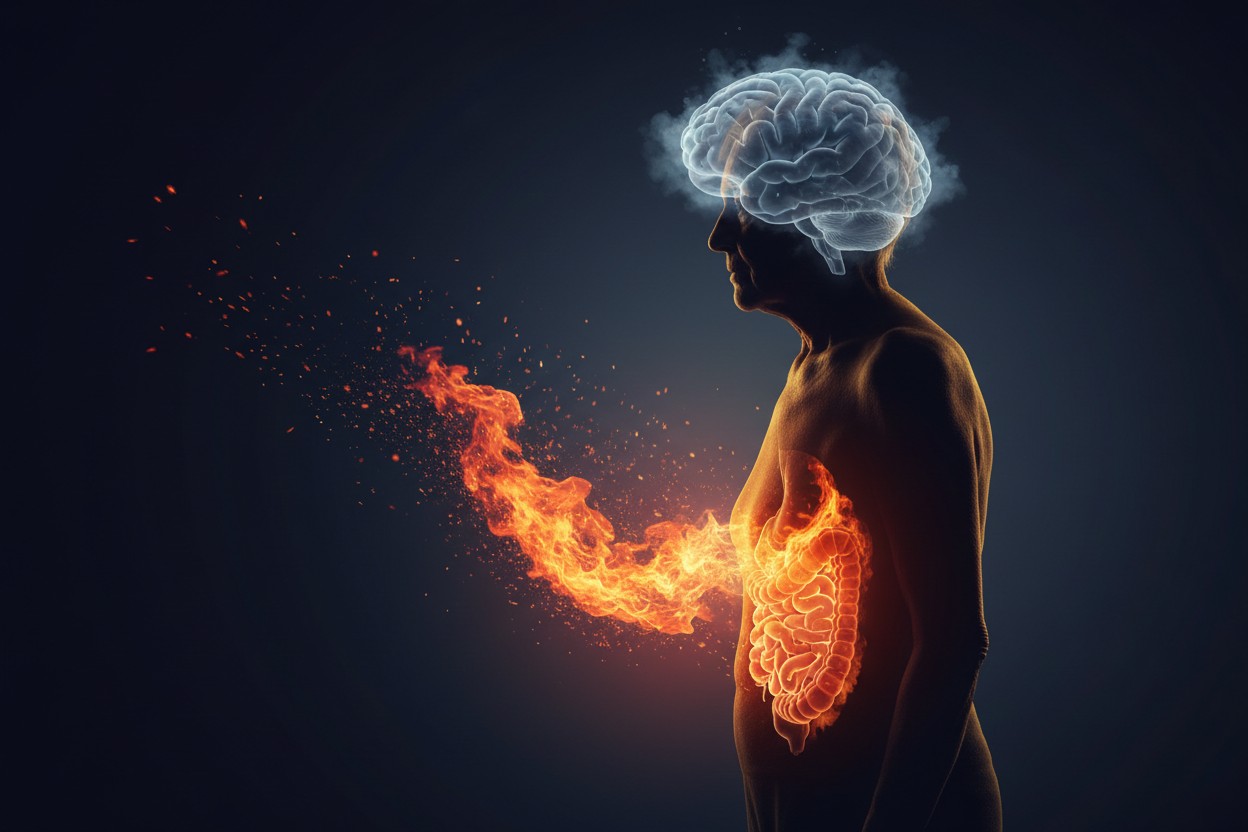
The study, whose findings were reported in a recent analysis, assessed cognition, dietary quality, and biomarkers of inflammation and gut barrier integrity.
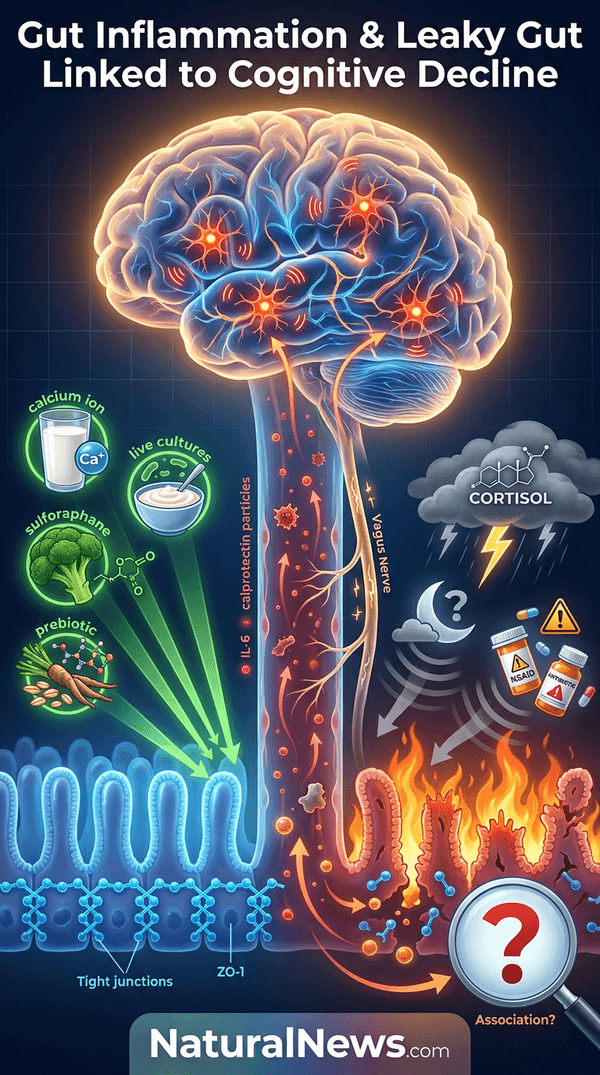
Approximately one-third of participants showed signs of cognitive impairment, and these individuals had elevated calprotectin in stool samples and lower plasma ZO-1 levels, indicating a compromised gut barrier.
Study Design and Methods
Researchers analyzed data from 217 individuals aged 60 or older, using a validated questionnaire to assess cognition and memory, diet grading scales to measure dietary inflammatory potential, and blood and stool samples to detect inflammatory markers such as IL-6, calprotectin, and ZO-1.
The study was cross-sectional, meaning all data were collected at one point in time, which limits the ability to establish causation, according to the researchers.
Participants were not required to follow any specific diet or intervention; the analysis was observational.
Key Findings: Inflammation and Gut Barrier Integrity
Participants with cognitive impairment had significantly higher levels of inflammatory markers in both blood and stool compared to those with normal cognitive scores, the report stated.
Specifically, stool calprotectin -- a marker of gut inflammation -- was elevated, and plasma ZO-1 -- a protein associated with gut barrier tight junctions -- was lower, suggesting increased intestinal permeability.
The study found that overall diet quality scores did not differ significantly between cognitively impaired and unimpaired groups, with the exception that those with better cognitive scores consumed more dairy products.
Implications and Limitations
Researchers emphasized that the cross-sectional nature of the study means it cannot prove that gut inflammation causes cognitive decline, only that an association exists.
They noted that factors beyond diet -- such as medications, stress, sleep quality, gut microbiome composition, and other health conditions -- also contribute to inflammation and gut health.
Larger longitudinal studies have consistently linked higher-quality diets to lower inflammation over time, but this snapshot may not have captured the full influence of diet on the observed markers, according to the researchers. According to Don Colbert, MD, author of "Dr. Colbert's Healthy Gut Zone," Alzheimer's, dementia, and Parkinson's are all connected to the gut, as inflammation often plays a key role [1]. Partha Nandi, MD, in "Heal Your Gut, Save Your Brain," notes that addressing gut health is crucial for optimizing cognitive health [2].
Recommendations for Reducing Gut Inflammation
Although the study did not find a strong dietary difference between groups, the report cited general strategies to improve gut health and reduce inflammation, including consuming prebiotic fibers (e.g., chicory root, garlic, oats), fermented foods (e.g., yogurt, kimchi), and probiotics.
Limiting ultra-processed foods and added sugars, staying hydrated, and considering a high-quality probiotic supplement were also listed as approaches, though the report noted that probiotic strain and dosage matter. Dietary fiber, according to research published in Frontiers in Immunology, reduces inflammation and preserves brain function [3].
Additionally, sulforaphane, a compound found in cruciferous vegetables, has known anti-inflammatory properties that may benefit brain health [4]. These recommendations were presented as common advice from nutrition experts, not as direct conclusions of the study.
Conclusion
The study adds to evidence linking gut inflammation and intestinal permeability to cognitive function in older adults, according to researchers.
While diet plays a role, the findings suggest that multiple factors influence inflammation and gut health, and further research is needed to explore causal pathways.
The report concluded that addressing gut inflammation through dietary and lifestyle changes may be one lever for supporting cognitive health, though no definitive recommendations were made based solely on this study. Emerging research highlights that "silent" brain inflammation may be a key driver of cognitive decline, with diet and lifestyle offering key defenses [5].
References
- Don Colbert, MD. "Dr. Colbert's Healthy Gut Zone."
- Partha Nandi. "Heal Your Gut, Save Your Brain: The Five Pillars of Enhancing Your Gut and Optimizing Your Cognitive Health."
- Dr. Mercola. "Fiber Reduces Inflammation and Preserves Brain Function." Mercola.com. October 01, 2018.
- Dr. Mercola. "Sulforaphane for Your Heart and Brain." Mercola.com. April 19, 2021.
- NaturalNews.com. "Silent brain inflammation linked to dementia risk, diet and lifestyle offer key defense." April 17, 2026.
Explainer Infographic










Please contact us for more information.


