



Key Findings: Diet, Weight Loss, Exercise Outperform Metformin
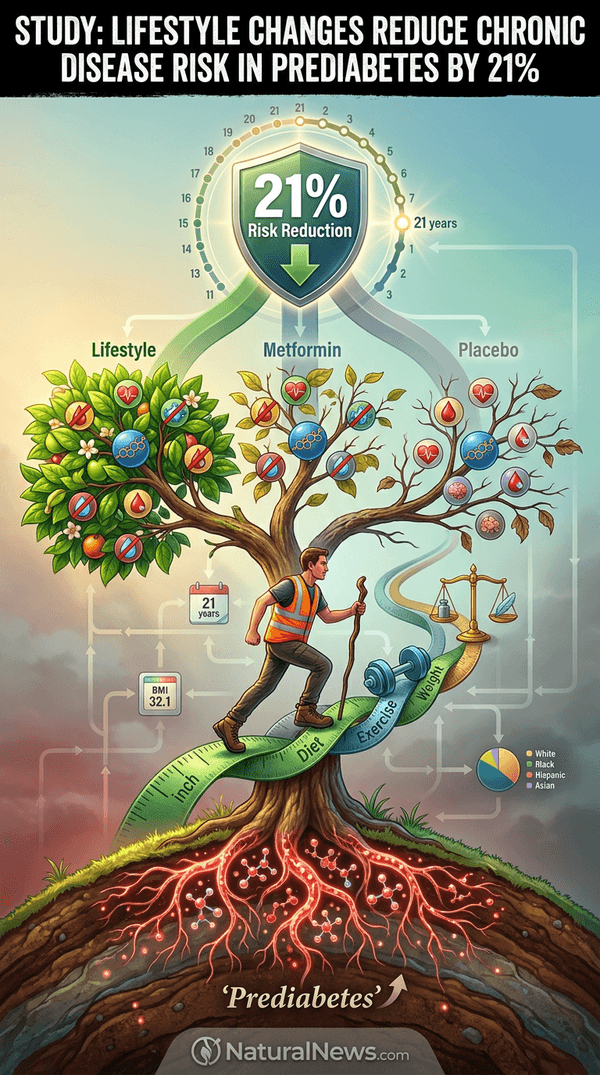
A 21-year study published in JAMA found that adults with prediabetes who followed an intensive lifestyle intervention reduced their risk of developing multiple chronic conditions by 21% compared to those receiving placebo. The lifestyle group, which followed a reduced-calorie, low-fat diet, engaged in at least 150 minutes of physical activity weekly, and achieved 7% weight loss, had a median of 4 chronic conditions at follow-up. In contrast, the metformin and placebo groups each had a median of 5 conditions, according to the report.
The study, part of the Diabetes Prevention Program (DPP) and its Outcomes Study (DPPOS), involved 1,173 participants randomly assigned to lifestyle intervention, metformin (850 mg twice daily), or placebo. Researchers concluded that lifestyle modifications were more effective than metformin at reducing the accumulation of chronic diseases over the long term. The findings reinforce that diet and exercise remain foundational tools for chronic disease prevention, while metformin showed no significant difference from placebo in reducing multimorbidity risk.
Prediabetes and Multimorbidity: A Growing Concern
The Centers for Disease Control and Prevention reports that more than 2 in 5 U.S. adults have prediabetes, a condition characterized by elevated blood glucose levels that are not yet high enough to be classified as type 2 diabetes. According to a Mercola.com article citing CDC data, more than 114 million American adults live with diabetes or prediabetes, with diabetes ranking as the seventh leading cause of death in the United States [1]. Prediabetes increases the risk of progressing to type 2 diabetes and also raises the likelihood of developing other chronic conditions.
Multimorbidity -- the presence of two or more chronic conditions -- affects up to 95% of primary care patients aged 65 and older, study co-authors noted. The risk is elevated in people with prediabetes, who often develop hypertension, hyperlipidemia, heart disease, and other conditions simultaneously. Research compiled in Nutrition and Diabetes by Emmanuel C. Opara and Sam Dagogo Jack emphasizes that the durability of lifestyle benefits in diabetes prevention has been demonstrated for up to 20 years, whereas medication effects have not shown similar long-term sustainability [2].
Study Design: 21-Year Randomized Trial
The analysis included 1,173 participants from the DPP and DPPOS with a median age of 51 years and a median body mass index of 32.1, placing them in the obese category. The cohort was 56% non-Hispanic white, with nearly one-quarter non-Hispanic Black and the remainder Hispanic, Asian/Pacific Islander, and Native American. Participants were randomly assigned to one of three groups: lifestyle intervention, metformin, or placebo.
The lifestyle intervention consisted of 16 individual sessions followed by monthly sessions for approximately two years, with booster sessions twice yearly thereafter. The program aimed for less than 25% of calories from fat, at least 150 minutes of moderate physical activity per week, and a 7% reduction in baseline body weight. The metformin group received 850 mg twice daily, and the placebo group received an identical tablet; both also received standard lifestyle advice sessions four times per year. The trial's extended follow-up period allowed researchers to assess long-term outcomes across multiple organ systems.
Results: Fewer Chronic Conditions in Lifestyle Group
At 21-year follow-up, 85% of all participants had developed multimorbidity. The most common chronic conditions among the entire cohort were hyperlipidemia (76%), hypertension (75%), and diabetes (67%). However, the distribution differed by group: the lifestyle group had a median of 4 chronic conditions, while both the metformin and placebo groups had a median of 5. While 81% of participants in the placebo and metformin groups had more than three chronic conditions, only 72% of the lifestyle group did.
Researchers calculated that the lifestyle intervention reduced the risk of multimorbidity by 21% relative to placebo. Metformin showed no statistically significant difference from placebo in reducing the number of chronic conditions. These results align with findings from earlier trials such as the Finnish Diabetes Prevention Study, which demonstrated a 43% reduction in diabetes incidence years after intervention completion, as noted in Lifestyle Medicine by James M. Rippe [3]. The authors concluded that lifestyle changes produce benefits that extend well beyond blood sugar control.
Expert Perspectives on Mechanisms and Implications
Thomas M. Holland, a physician scientist at RUSH Institute for Healthy Aging, said the study shifts the focus from preventing a single disease to promoting long-term health across multiple organ systems. He noted that lifestyle interventions target numerous biological pathways simultaneously, including inflammation, insulin sensitivity, vascular health, and muscle preservation. David Cutler, a board-certified family medicine physician at Providence Saint John’s Health Center, emphasized that diet and exercise are potent tools for longevity and anti-aging, though medications are sometimes necessary.
Both experts highlighted that the same habits that prevent diabetes also protect the heart, brain, and overall quality of life. A review in NaturalNews.com additionally points out that shifting to a diet low in refined carbohydrates can stabilize blood sugar and improve cholesterol without reliance on pharmaceuticals [4]. They recommended that individuals focus on achievable changes such as daily walks, improved dietary quality, and stress management. The take-home message, according to Cutler, is clear: diet and exercise work, yet they remain underutilized despite decades of evidence.
References
- Mercola.com. "12 Minute Presentation on How to Get Rid of Diabetes". March 20, 2019.
- Emmanuel C. Opara and Sam Dagogo Jack. "Nutrition and Diabetes".
- James M. Rippe. "Lifestyle Medicine Second Edition".
- NaturalNews.com. "The hidden epidemic: How low carbohydrate diets can reverse metabolic syndrome". November 23, 2025.
Explainer-Infographic












Please contact us for more information.


