


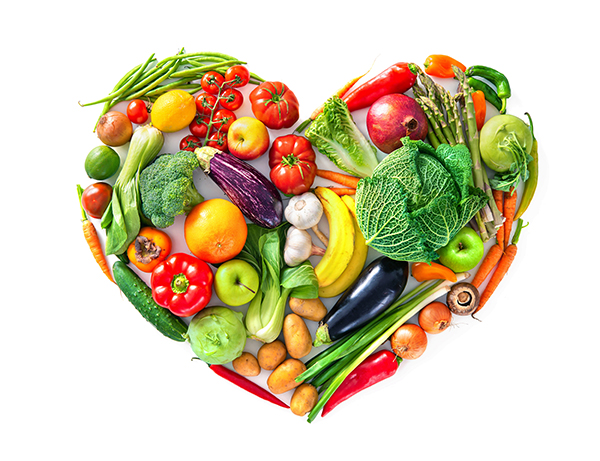
- The article strongly criticizes relying on any single "superfood" (like beets) for health, arguing that effectively managing hypertension requires a varied, coordinated dietary strategy.
- It emphasizes that the best blood-pressure-lowering foods work through a combination of potassium, magnesium, fiber and antioxidants, found in a diverse range of common foods.
- The text identifies several evidence-backed foods for lowering blood pressure, including berries (for anthocyanins), legumes (for potassium and fiber), avocados and salmon (for healthy fats), bananas and apples (for potassium and fiber) and dark chocolate and yogurt.
- The summary notes key research, such as a 2021 study on berries, a 2023 study on avocados, a large review on omega-3s from fish, and a 2024 study showing bananas and apples significantly reduce mortality risk in hypertensive patients.
- The conclusion advocates for a return to a whole-foods diet rich in leafy greens, berries, beans, fish and dairy, rejecting fad diets and marketing gimmicks in favor of a sustainable, varied eating pattern.
Are you tired of the same old "super foods" dominating the health world? It's time to give beets their due respect as the true, unsung superhero of the culinary world. Beets, the humble root vegetable, have been quietly performing "anonymous feats of healing" for centuries. From boosting cardiovascular health to enhancing athletic performance, and even fighting infections, beets are a powerhouse of nutrients and natural defenses.
Cardiovascular benefits
Beets contain natural nitrate, which dilates blood vessels and lowers blood pressure. A 2008 study in Hypertension showed that just 3 hours after consuming beet juice, blood pressure dropped significantly. For athletes, beet juice can enhance exercise performance by reducing the oxygen cost of low-intensity exercise and improving tolerance to high-intensity exercise. Rich in magnesium, potassium and heart-healthy phytonutrients, beets contain nitrates that are converted into nitric oxide in the body, crucial for maintaining healthy blood flow and reducing inflammation.
The disgrace of single-food fanaticism
For years, the humble beet has enjoyed a near-mythical status in the world of heart health. But a deeper examination reveals a truth that the health media has largely ignored: relying on a single root vegetable is a fool’s errand. The real battle against hypertension—a condition affecting nearly half of all American adults—requires a strategic, varied assault from a dozen common foods. The best foods for blood pressure deliver a coordinated strike of potassium, magnesium, fiber and antioxidants. These nutrients work in concert to relax blood vessels and expel excess sodium. The answer lies in the grocery store, not the pharmacy.
The berry revolution and the forgotten antioxidant
Blueberries, raspberries and strawberries are packed with anthocyanins, a class of flavonoids that, according to a significant 2021 study, helped lower blood pressure in participants who consumed roughly one and a half cups daily. These compounds help boost nitric oxide production—the very same mechanism that puts the beet on its pedestal. Frozen berries retain nearly all of their nutritional value and cost a fraction of the price, making them an accessible and powerful tool against hypertension.
Legumes and the return to frugal strength
Beans, lentils and chickpeas have been sidelined by low-carb trends, a tragedy of nutritional misinformation. Legumes are rich in potassium and fiber. Potassium functions as a natural diuretic, telling the body to release sodium and the fluid it holds. A diet high in legumes has been linked consistently to lower blood pressure and a reduced risk of heart disease. It is a cheap, shelf-stable and effective weapon that requires no marketing gimmick.
The avocado and salmon principle: Healthy fats as medicine
Fat is not the enemy. Avocados, with their monounsaturated fats, potassium and magnesium, were shown in a 2023 study to reduce the risk of high blood pressure by 17% when consumed five times a week. Fatty fish like salmon deliver omega-3 fatty acids. A massive review of 71 studies confirmed that consuming two to three grams of omega-3s daily produced meaningful reductions in blood pressure. This is the wisdom of a diet that rejects margarine and seed oils in favor of natural, whole foods.
Bananas, apples and the 2024 wake-up call
A groundbreaking 2024 study delivered a stark message: hypertensive patients who ate bananas three to six times per week had a significantly lower risk of death than those who avoided the fruit. The benefit magnified when bananas were paired with apples. While apples are not high in potassium, their fiber content is substantial, and fiber has been proven to lower blood pressure. This is not about expensive superfoods from a foreign land; it is about the two most common fruits in the American produce aisle.
The dark chocolate and yogurt exceptions
For those who seek a treat that does not betray the body, dark chocolate with at least 70% cocoa offers flavonoids that improve blood vessel flexibility. Yogurt provides calcium, potassium and beneficial bacteria that help the body produce proteins to regulate pressure. The key is minimal added sugar—a rule that should govern all food choices.
Oats and broccoli: The old ways are still the best
Oats contain beta-glucan, a soluble fiber shown in a 2023 review to lower systolic pressure, especially when they replace refined grains. Broccoli and other cruciferous vegetables contain glucosinolates—sulfur compounds with potent antioxidant properties that protect blood vessels. A 2024 study found these vegetables outperformed root and squash varieties in lowering blood pressure.
"Hypertension, commonly known as high blood pressure, is a chronic medical condition where the force of blood against artery walls is consistently too high," said BrightU.AI's Enoch. "It is typically defined by a persistent blood pressure reading of 130/80 mm Hg or higher. If left untreated, it can lead to serious health problems such as heart disease, stroke and kidney damage."
The path to lower blood pressure is paved with leafy greens, berries, beans, fish and honest dairy. It is a path of variety, discipline and a rejection of the modern mania for shortcuts. The answer to hypertension does not lie in a beet-smoothie obsession. It lies in the full, rich bounty of the garden and the farm—foods that have sustained humanity for millennia and will continue to do so for those wise enough to listen.
Watch and discover five ways to naturally lower blood pressure.
This video is from the Natural News channel on Brighteon.com.
Sources include:





Please contact us for more information.


