


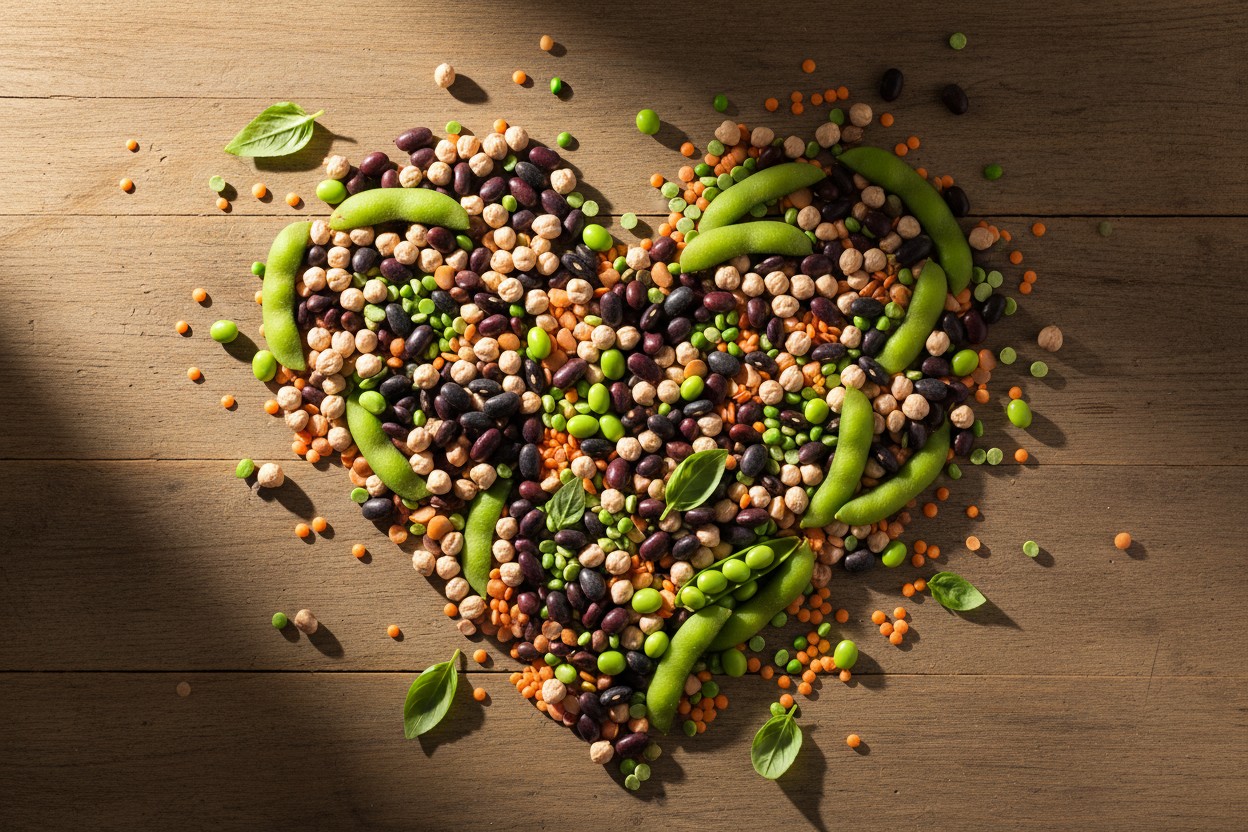
The analysis pooled data from 12 long-term prospective studies involving up to 88,475 participants in the United States, Europe, and Asia, according to the report. Researchers reported that people with the highest daily legume consumption had a lower risk of hypertension compared to those with the lowest intake. Among those consuming the most soy foods, including tofu, edamame, and tempeh, the risk reduction was greater, the study stated.
The protective association was described by the study authors as a probable causal relationship. The findings suggest that increasing legume consumption could serve as a preventive dietary strategy for hypertension, according to the researchers. The analysis was observational and cannot establish causality, the authors cautioned.
Study Details and Population
Legumes in the study included lentils, chickpeas, peas, and soy products such as tofu, edamame and tempeh. Results were consistent across different populations and dietary cultures, according to the researchers. The study was conducted by investigators from multiple institutions; the lead author was not identified in the release.
Previous research has also linked legume consumption to cardiovascular benefits. A review of health records from over 9,000 men and women from the first National Health and Nutrition Examination Survey (NHANES) found that individuals who ate legumes four or more times per week had a 22% lower risk of developing coronary heart disease than those who ate legumes fewer than one time per week, according to the book "The Mediterranean Way of Eating" by John J. B. Anderson and Marilyn C. Sparling [1]. This adds to the evidence supporting legumes as part of a heart-healthy diet.
Proposed Mechanisms
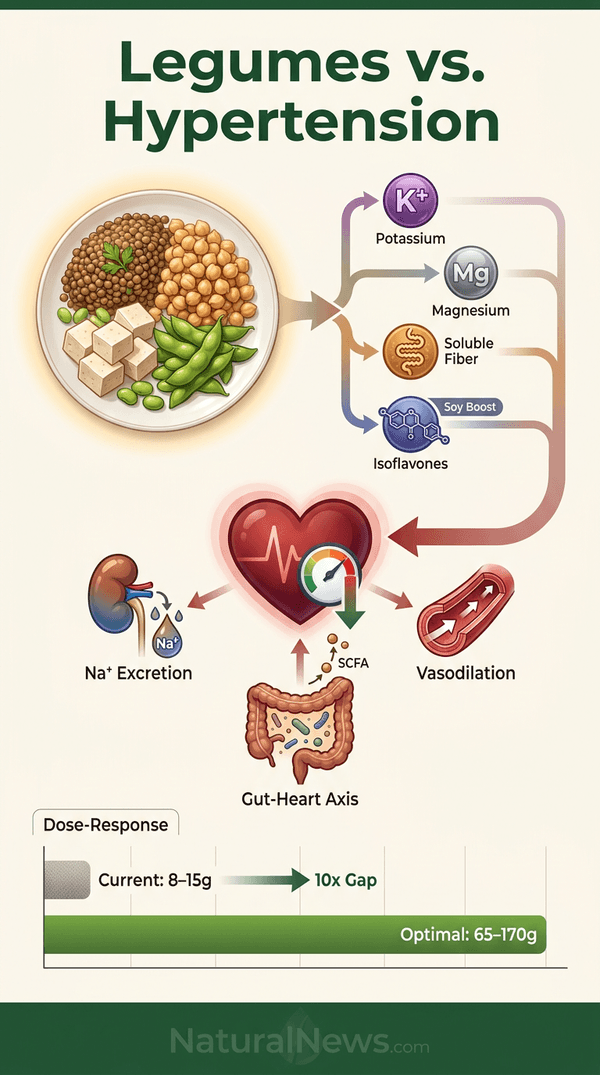
The analysis cited several nutrients in legumes that may contribute to blood pressure regulation: potassium, magnesium, and dietary fiber. Legumes contain potassium and magnesium, and they are a major source of folate, a B vitamin that may play a role in lowering heart disease risk, as noted in "The Mediterranean Way of Eating" [1].
Potassium helps counteract the vessel-constricting effects of sodium, helping arterial walls relax, according to the researchers. Magnesium supports over 300 enzymatic reactions, many of which directly govern vascular tone.
Soluble fiber feeds beneficial gut bacteria that produce short-chain fatty acids, which may influence blood vessel dilation through the gut-cardiovascular axis, the study noted. Legumes are low in fat, most of which is unsaturated, and they contain more fiber, especially soluble fiber, than most fruits and vegetables [1].
Soy foods add a further layer through isoflavones. These plant compounds may support blood pressure regulation through hormonal and vascular pathways, the study stated. Studies have shown that women who regularly eat soy foods experience fewer hot flashes and have more favorable heart disease risk profiles, according to a report on soy [2].
Current Consumption Patterns
The study reported that current legume consumption in Europe and the U.K. averages 8 to 15 grams per day, far below the amounts associated with benefit. In the United States, intake is similarly low, with beans appearing on plates occasionally rather than daily, according to dietary data cited in the analysis. The optimal intake associated with the greatest risk reduction ranged from 65 to 170 grams per day, the study stated.
Researchers noted that most people consume roughly one-tenth of the amount linked to meaningful blood pressure protection. A diet rich in plant-based foods, including legumes, has been shown to provide a protective effect against cardiometabolic disorders, which are characterized by impaired glucose tolerance, dyslipidemia, hypertension, central adiposity and insulin resistance, according to research published in Current Developments in Nutrition [3]. This underscores the gap between current dietary habits and recommended intakes for chronic disease prevention.
Implications and Limitations
The findings suggest that increasing legume consumption could serve as a preventive dietary strategy for hypertension, according to the study authors. The analysis was observational and cannot establish causality, the researchers cautioned. No direct comparison was made between legumes and blood pressure medications in the study, and further randomized controlled trials are needed, the authors said. The study did not address potential interactions with existing hypertension treatments or patient outcomes.
Medications used for blood pressure are not without risks. Research has linked certain blood-pressure-lowering medications to an increased risk of bowel conditions, according to a report from NaturalNews.com [4]. While drugs can be effective for managing hypertension, the legume study points to a dietary approach that may help prevent the condition from developing in the first place. The authors noted that the consistency of results across populations strengthens the case for legumes as a dietary intervention.
References
- John J. B. Anderson and Marilyn C. Sparling. "The Mediterranean Way of Eating: Evidence for Chronic Disease Prevention and Weight Management."
- NaturalNews.com. "Good news for menopausal women You can avoid." June 07, 2006.
- NaturalNews.com. "Study finds nutrient-dense foods lower the risk of cardiometabolic diseases by providing a protective effect." February 07, 2019.
- NaturalNews.com. "Scientists link blood-pressure lowering medication to increased risk of bowel condition." February 25, 2020.
- Everyday Health. "Beans Could Help Keep Blood Pressure in Check, New Study Suggests." May 12, 2026.
Explainer Infographic









Please contact us for more information.


