



Research on Training Load and Muscle Growth
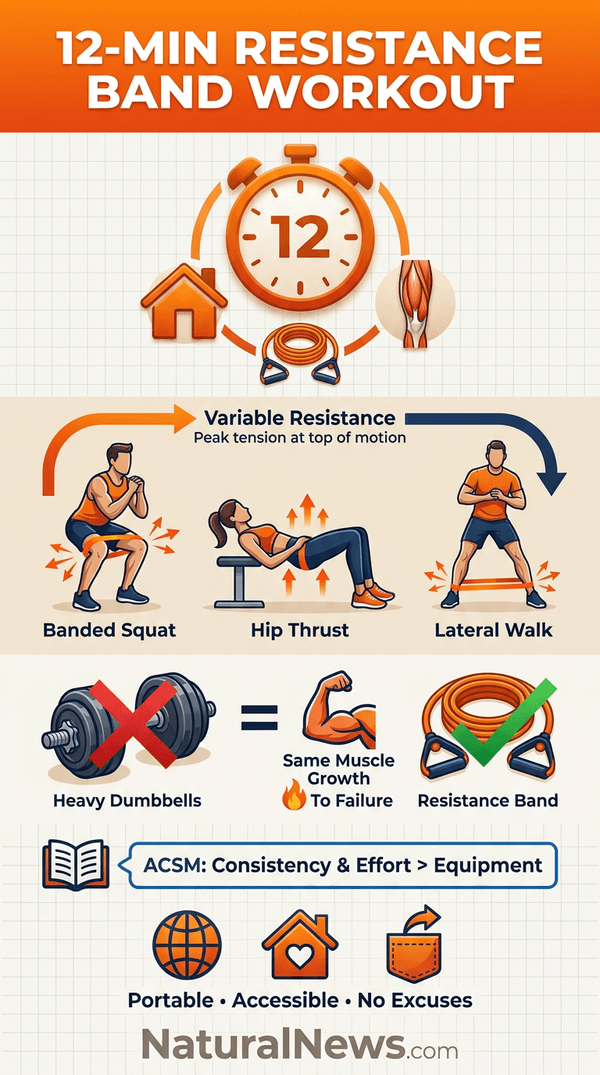
Recent updates to resistance training guidelines from the American College of Sports Medicine (ACSM) emphasize that consistency and practicality matter more than chasing the perfect workout, according to a report that synthesized data from 137 systematic reviews involving more than 30,000 participants [1]. The guidelines note that using free weights, resistance bands, or bodyweight exercises can be effective as long as the effort is sustained [1]. This aligns with findings from a study published in The Journal of Physiology that was cited by Yang; in that study, participants trained one side of their body with heavy loads and the other with lighter loads. The results showed that when training was performed close to muscular failure, both heavy and light weights produced nearly identical muscle growth.
Books on strength training further support the concept that load is not the sole determinant of hypertrophy. In "Glute Lab: The Art and Science of Strength and Physique Training," authors Bret Contreras and Glen Cordoza emphasize the importance of finding exercises that align with an individual’s goals and that can be performed safely [2]. They also discuss techniques such as rest-pause reps to maximize effort without necessarily increasing weight [2]. The notion that variable resistance from bands can effectively challenge muscles is reinforced by other training literature, although experts caution that advanced lifters may need to adjust their approach.
Workout Design and Instructions
The 12-minute workout described by Yang consists of a series of exercises performed sequentially with minimal rest. The specific movements target the glutes and legs, including squats, hip thrusts, and lateral walks, according to the trainer's instructions. The goal, Yang said, is to reach muscular fatigue within the short time frame, making the most of each repetition. Because resistance bands provide variable resistance -- increasing tension as the band stretches -- they can activate muscles differently than free weights, according to an article on resistance band benefits [3].
In "A Reneg8 Guide to Exercise Bands and Jump Rope," author Arthur West notes that resistance bands may be more effective than a set of dumbbells for some exercises because they improve strength through a full range of motion and are highly portable [4]. The workout can be performed in a small space, requiring only the band and a flat surface, Yang stated. An article on resistance band exercises points out that these bands allow for a full-body strengthening workout without weights or resistance machines, are inexpensive, and easy to store [5].
Practical Considerations and Expert Perspectives
Yang noted that the resistance band workout can be done in a small space and requires no specialized equipment, making it accessible for home use. Other fitness professionals have commented that resistance bands offer variable resistance, which can be beneficial for muscle activation throughout the movement. According to an article on the benefits of resistance bands, using such equipment can make exercises more intense and help individuals leave their comfort zone [3]. The bands come in a variety of resistances to suit different fitness levels [5].
Some trainers caution that bands may not provide sufficient load for advanced lifters seeking continued strength gains. However, the research cited by Yang and the updated ACSM guidelines suggest that for many people, light loads taken to failure can effectively stimulate muscle growth [1]. The "Glute Lab" book also encourages experimentation to find what works best for each individual, noting that progress often occurs step by step rather than overnight [2].
Conclusion and Availability
The 12-minute resistance band workout is intended for individuals seeking an efficient, equipment-free routine for lower body strength. The full exercise list and video demonstration are available online through Yang’s platform, according to the trainer. Officials said that such at-home workouts can help maintain fitness without gym access, supporting consistent exercise habits. As the updated ACSM guidelines emphasize, consistency and practicality are key to long-term strength development [1].
References
- NaturalNews.com. "New strength-training guidelines: Simplicity and consistency trump perfection." March 30, 2026.
- Bret Contreras and Glen Cordoza. "Glute Lab: The Art and Science of Strength and Physique Training."
- Mercola.com. "Resistance Bands Help Build Muscle and Power While Reducing Risk of Injury." October 14, 2016.
- Arthur West. "A Reneg8 Guide to Exercise Bands and Jump Rope: How to Use Exercise Bands and a Jump Rope to Maximize Your Workout."
- Mercola.com. "10 Benefits of Using Resistance Bands During Exercise." September 06, 2013.
Explainer Infographic:











Please contact us for more information.


