


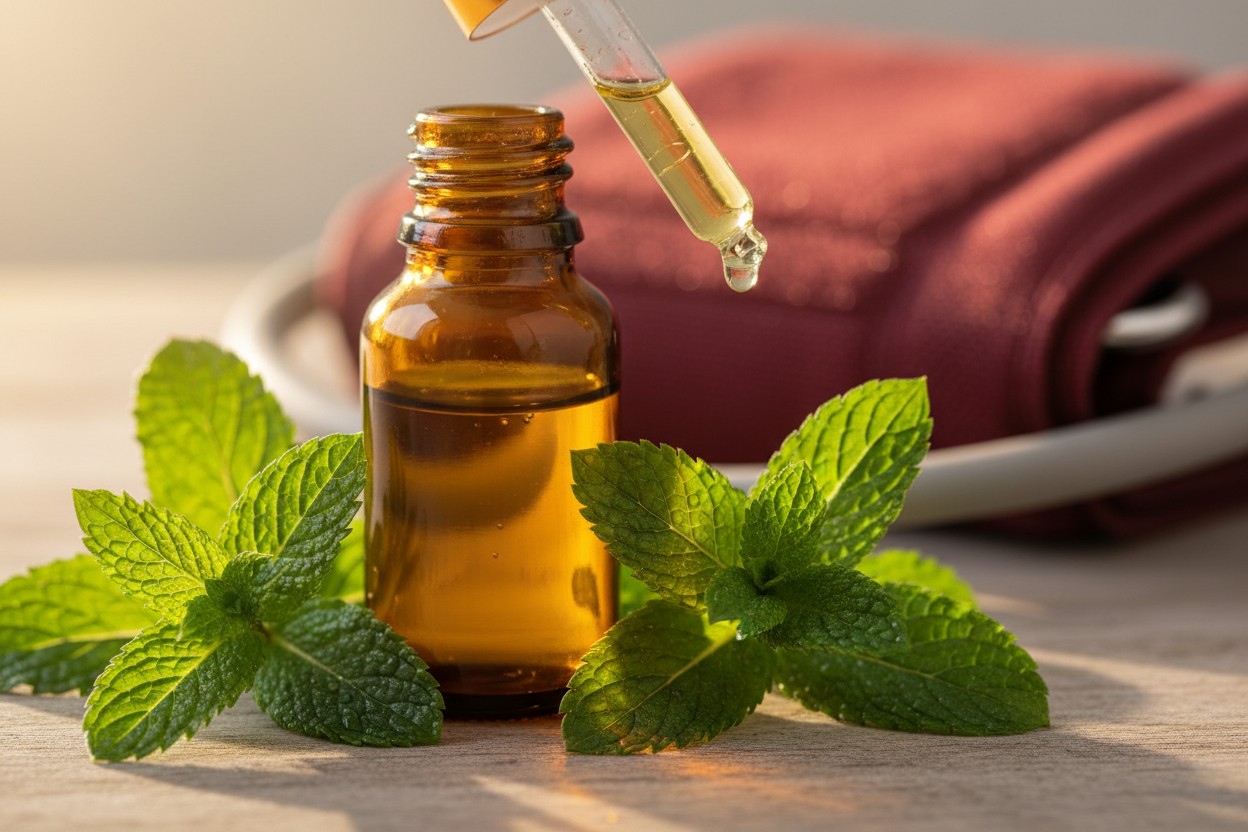
The trial enrolled 40 participants aged 18 to 65 with mildly elevated blood pressure. The findings suggest that a widely available natural remedy already used for digestive issues could offer an affordable, drug-free option for managing hypertension. According to the researchers, hypertension affects roughly one in three U.K. adults -- about 16 million people -- and is a leading preventable risk factor for heart disease, stroke, kidney failure and vascular dementia.
Trial of 40 adults shows significant reductions
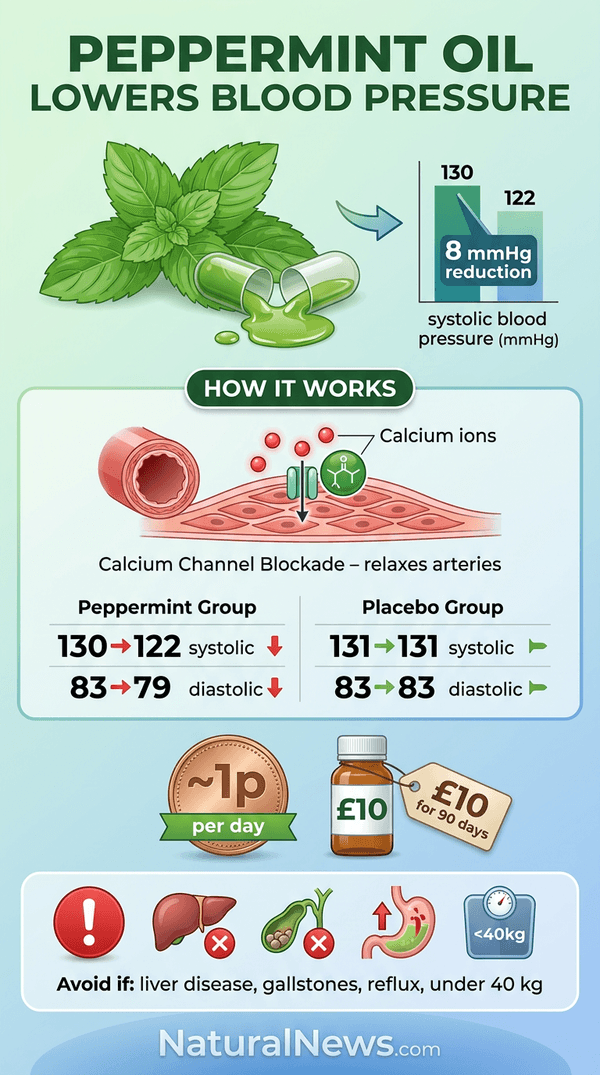
The randomized, placebo-controlled trial split participants into two groups. One group received 100 microliters of peppermint oil daily in two divided doses, while the other received a peppermint-flavored placebo with no active oil. At baseline, the peppermint group had an average blood pressure of 130.05/83.25 mmHg, and the placebo group averaged 130.93/83.20 mmHg. By the end of the 20-day period, the peppermint group's systolic pressure dropped to 121.97 mmHg and diastolic fell to 78.52 mmHg. The placebo group saw a slight increase in systolic pressure, to 131.05 mmHg, while diastolic remained nearly unchanged at 83.05 mmHg. [3] [4]
Dr. Jonnie Sinclair, lead author and reader in sport and health sciences at the University of Lancashire, said the results have “significant clinical implications, especially given arterial hypertension is the most common preventable risk factor for cardiometabolic disease and the greatest single risk factor for global mortality.” [1] He added that the improvement was achieved with a simple, low-cost intervention. The study builds on earlier work indicating that oral peppermint can improve systolic blood pressure and other cardiovascular markers. [5]
Low-cost supplement could offer alternative for millions
High blood pressure remains widespread, with around one in three U.K. adults affected, according to the NHS. The condition increases the risk of heart attack, stroke, kidney failure and vascular dementia. [1] Dr. Sinclair noted that currently prescribed antihypertensive drugs can cause unwanted side effects and that their long-term efficacy is not always clear, making peppermint oil a “very simple and cost-effective solution.” [1]
The mechanism behind peppermint oil's effect involves calcium channel blockade. According to the book "Essential Oil Safety: A Guide for Health Care Professionals," both peppermint oil and its major constituent menthol have calcium channel blocking actions. This relaxes the heart and reduces the tone of arteries and arterioles, thereby decreasing resistance to blood flow and lowering pressure. [6] The supplement is already widely used for digestive complaints such as irritable bowel syndrome, stomach cramps and bloating. [1] Its low cost and availability make it an attractive option for those seeking to avoid pharmaceutical medications. [7]
Researchers and NHS advise caution on duration and suitability
The researchers cautioned that the study was short-term and involved a small sample size. Dr. Sinclair stated that larger, longer trials are needed before peppermint oil can be broadly recommended for blood pressure control. The NHS advises that peppermint oil should not be taken for more than two weeks without consulting a doctor, and it lists several groups for whom the supplement is not suitable. [1]
According to the NHS, people with liver disease, gallstones, or those weighing less than 40 kg (about 6 stone 5 lbs) should avoid peppermint oil. It is also contraindicated for individuals with allergies to peanuts, peanut oil or soya; those with digestive conditions such as reflux disease, severe constipation or ulcerative colitis; and pregnant or breastfeeding women. The NHS further warns that anyone who has had an allergic reaction to peppermint oil or aspirin, or who experiences symptoms like blood in the stool, abnormal vaginal bleeding, or difficulty urinating, should not take the supplement. [1] [8]
Conclusion: Study author calls for further investigation
Dr. Sinclair described the findings as “very positive” but emphasized the need for larger, longer trials to confirm the effects and establish safety over extended use. The study was funded by the University of Lancashire. [1] [4]
Hypertension remains the greatest single risk factor for global mortality, according to the researchers. If confirmed by further research, peppermint oil could become a low-cost, widely accessible supplement for blood pressure management. As one recent review noted, many plants contain healing power that often goes overlooked in modern medicine, and back-to-nature approaches warrant serious investigation. [7] The current study opens a promising avenue for affordable, drug-free cardiovascular support.
References
- Ciaran Foreman. "Peppermint oil supplements are a drug-free way to lower blood pressure." Daily Mail. May 18, 2026.
- PLOS One. "Effects of peppermint (Mentha piperita L.) oil in cardiometabolic..." 2025.
- PLOS One. "Effects of peppermint (Mentha x piperita L.) oil on cardiometabolic..." 2026.
- Medical Xpress. "Peppermint oil can lower blood pressure, clinical trial finds." 2026.
- ClinicalTrials.gov. "Study Details | NCT05561543 | Effects of Peppermint Oil in Mild-Moderate Hypertension." 2026.
- Robert Tisserand, Rodney Young. "Essential Oil Safety: A Guide for Health Care Professionals."
- NaturalNews.com. "Top 10 plants that work better than pharmaceutical drugs." October 22, 2015.
- NCCIH. "Peppermint Oil: Usefulness and Safety."
Explainer Infographic









Please contact us for more information.


