



Study Details and Methodology
The observational study drew on data from a large, ongoing cohort of adults. Dietary intake of magnesium was estimated through validated food frequency questionnaires, and brain MRI scans were used to measure hippocampal volume and the burden of white matter hyperintensities, which are markers of small vessel disease. The researchers adjusted for potential confounding factors such as age, sex, total energy intake, and other nutrients. The study design does not prove causation, but the associations persisted after controlling for multiple variables.
Key Findings on Brain Structure
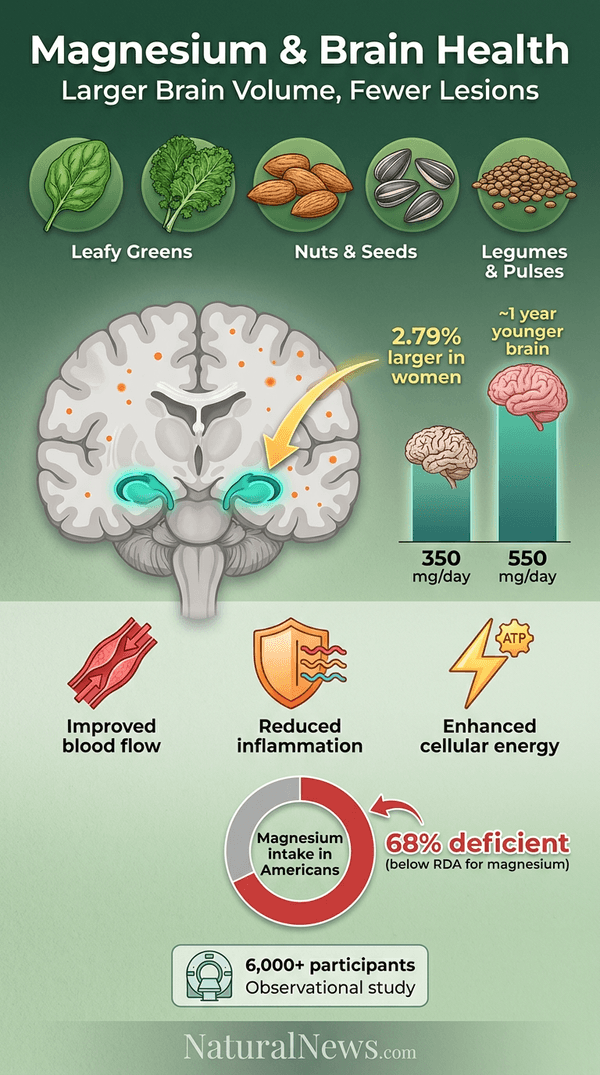
Participants who consumed higher amounts of magnesium showed significantly larger hippocampal volume, a region critical for memory and learning. Those ingesting at least 550 milligrams per day had brain volumes equivalent to being approximately one year younger compared with those consuming around 350 milligrams per day. The association was particularly pronounced in women, especially post-menopausal women, who exhibited up to a 2.79% larger hippocampal volume. Higher magnesium intake was also linked to a reduced load of white matter lesions, suggesting less damage to the brain's small blood vessels.
Mechanisms and Implications
Magnesium is known to support nerve signaling, energy production, and vascular function. Many Americans do not consume adequate amounts of magnesium, with an estimated 68% falling short of the recommended dietary allowance, according to the book "Stop Alzheimer's Now" [1]. The mineral's role in reducing inflammation and oxidative stress may help protect against age-related brain shrinkage and microvascular damage. Experts caution that observational data cannot establish a direct cause-and-effect relationship, but the findings underscore diet as a potentially important lever for brain health.
Practical Recommendations and Limitations
Good dietary sources of magnesium include spinach, beet greens, asparagus, sesame seeds, sunflower seeds, and shrimp, as noted in "Stop Alzheimer's Now" [1]. The book "Understanding Normal and Clinical Nutrition" [2] similarly emphasizes the benefits of obtaining nutrients from whole foods rather than supplements. The recommended dietary allowance ranges from 310 to 420 milligrams per day, depending on age and sex, though some health professionals suggest higher intakes may be optimal. Study limitations include reliance on self-reported dietary intake, which can introduce measurement error, and the possibility of residual confounding from unmeasured lifestyle factors.
Conclusion
The study provides observational evidence linking higher magnesium consumption with markers of better brain aging, including larger hippocampal volume and fewer white matter lesions. Researchers emphasize that clinical trials are needed to confirm whether increasing magnesium intake can slow cognitive decline. In the meantime, incorporating magnesium-rich foods into the diet represents a low-risk strategy that may support long-term brain health, according to the study authors.
References
- PDFill Free PDF Writer and Tools. "Stop Alzheimer's Now How to Prevent and Reverse Dementia Parkinson's ALS Multiple".
- Rolfes Sharon Rady. "Understanding normal and clinical nutrition".
- GreenMedInfo.com. "Magnesium The Safe First Line of Defense for Clinical Depression".
- Mercola.com. "FDA Gives Qualified Nod to Magnesium for Blood Pressure". January 24, 2022.
- Mike Adams. "2025 10 10 BBN Interview with Dr. Kirk Moore".
- NaturalNews.com. "How a missing nutrient in young adults signals early brain cell damage". December 30, 2025.
- NaturalNews.com. "Nutrient deficiency linked to early brain damage in young adults". January 2, 2026.
Explainer Infographic:











Please contact us for more information.


