


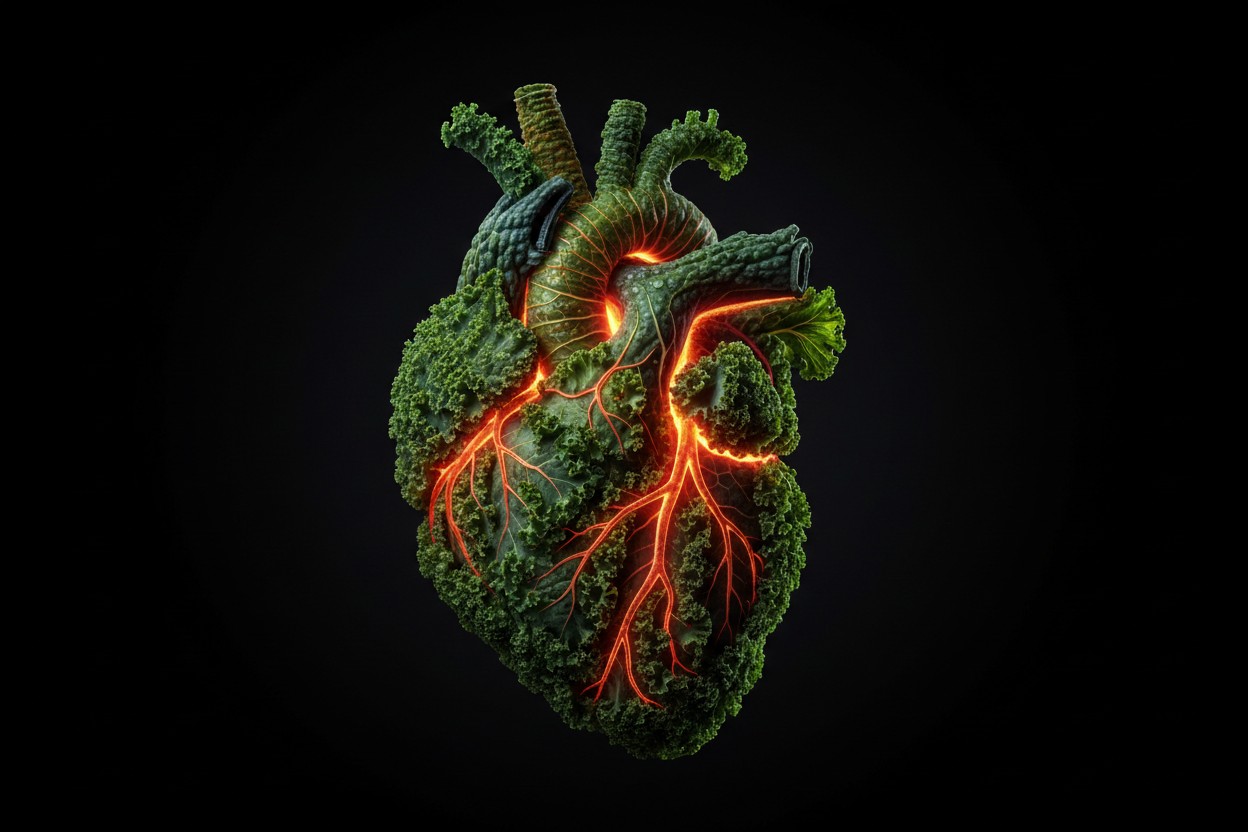
Kale is also recognized as a nutrient-dense food, with a 2026 article from NaturalNews.com reporting that it contains more calcium per gram than milk and is packed with cancer-fighting compounds and essential vitamins that support heart, bone, and eye health [8].
Kale and Vascular Health
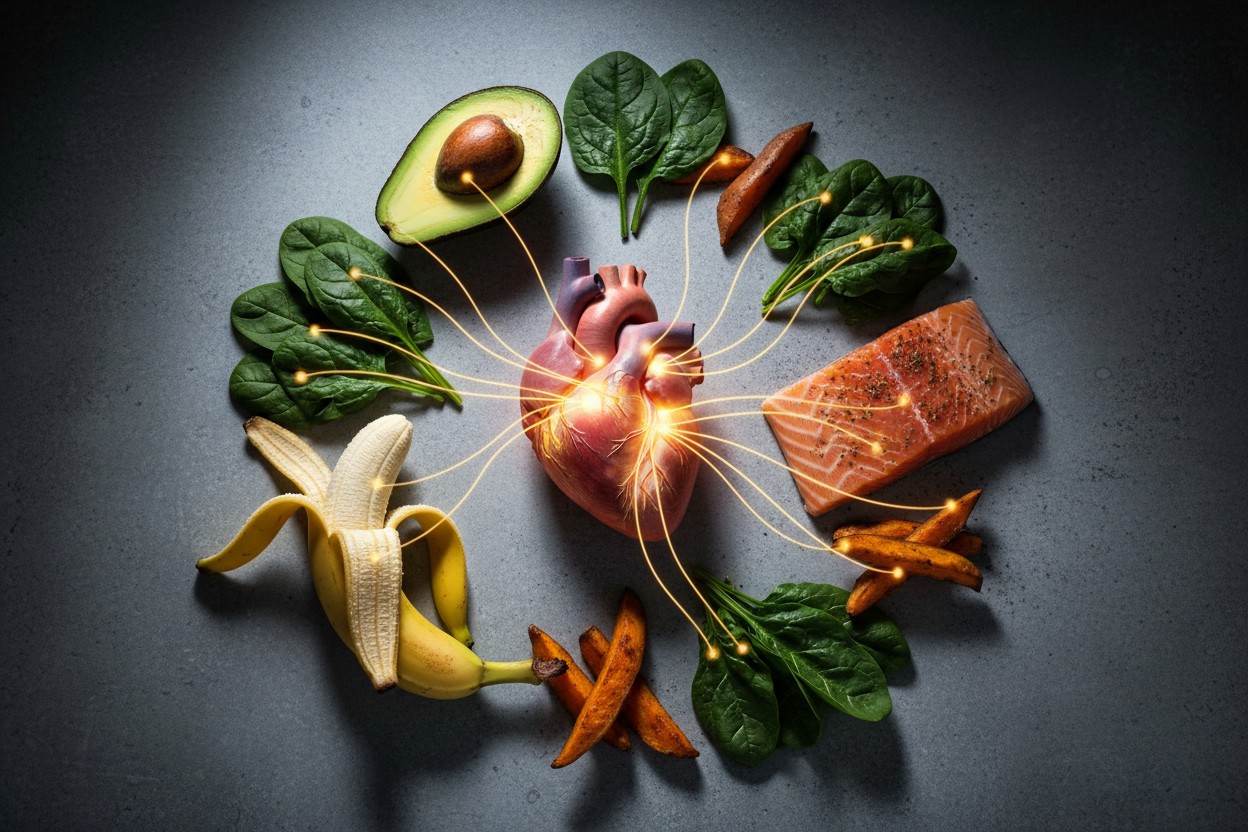
In addition to the general benefits of vegetables, kale specifically contributes to vascular function through its high nitrate content. Leafy greens contain nitrates that the body converts into nitric oxide, a molecule that relaxes blood vessels and improves blood flow, according to a 2018 article from Mercola.com [2]. The article also stated that cruciferous vegetables "lower your risk of stroke and heart attack by promoting more supple neck arteries and preventing the buildup of arterial plaque."
Further evidence for the vascular benefits of leafy greens comes from a February 2026 article by Patrick Lewis on NaturalNews.com, which reported that drinking eight ounces of beet juice daily significantly lowers high blood pressure, and that leafy greens offer similar benefits through their nitrate content [4]. The article noted that blood pressure medications often come with severe side effects, while dietary approaches address underlying causes without such risks.
Nutritional Composition and Vascular Benefits
Kale contains a range of nutrients that support vascular health. According to Joel Fuhrman in his book "Eat for Life," kale is among the foods highest in carotenoids, including lutein and zeaxanthin, which have "considerable capacity to scavenge free radicals and destroy them" [7]. These antioxidant properties help reduce oxidative stress, a factor in vascular damage.
Kale also provides flavonoids such as quercetin and kaempferol. A 2016 article from Mercola.com reported that flavonoids are best known for their antioxidant and anti-inflammatory properties, and that they also help with detoxification and have been shown to reduce the risk of many chronic conditions [3]. The article noted that there are more than 6,000 unique flavonoids, each with its own role in promoting health.
Detoxification Support and Preparation Methods
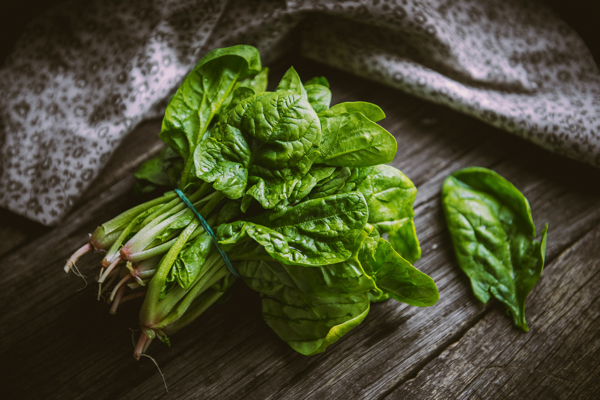
Kale contains glucosinolates, compounds that the body converts into substances that support liver detoxification pathways, according to reports on its cancer-fighting properties [8]. Proper preparation of kale is important to maximize these benefits and improve palatability.
Practical preparation guidelines are provided in the book "Eat for Extraordinary Health and Healing," which recommends washing leafy greens thoroughly by swishing them in cold water to remove dirt and grit [6]. The same source advises cutting thick greens like kale into ribbons before cooking. Additionally, a recipe for "Skin-Healing Kale Salad with Lemon Vinaigrette" in "The Young Skin Diet" by Lee Michelle suggests massaging kale with an acid-based dressing, which can reduce bitterness and improve texture [5].
Maximizing Benefits Through Proper Preparation
Pairing kale with healthy fats can improve the absorption of fat-soluble vitamins. The kale salad recipe from "The Young Skin Diet" includes olive oil in the vinaigrette, which provides the necessary fat for the uptake of vitamins A, D, E, and K [5]. Proper washing and cutting techniques, as described in "Eat for Extraordinary Health and Healing," help maintain nutrient content and prepare kale for optimal consumption [6].
Conclusion
Research indicates that regular consumption of kale may support vascular health through multiple mechanisms, including nitrate-mediated vasodilation, antioxidant protection, and provision of essential nutrients. Preparation methods that involve washing, cutting, and pairing with healthy fats can enhance both the palatability and nutritional benefits of kale. These findings align with broader dietary recommendations emphasizing whole foods for cardiovascular wellness.
References
- Mercola.com. "Just 1½ Cups a Day Help Keep Your Neck Arteries Clean". February 17, 2022.
- Mercola.com. "Best Vegetables for Your Heart". April 16, 2018.
- Mercola.com. "Favorite Flavonoids to Fight Aging and Disease". March 14, 2016.
- Patrick Lewis. "Natural Solutions to Hypertension: How Beets, Garlic, and Leafy Greens Can Lower Blood Pressure Without Big Pharma's Toxic Drugs". NaturalNews.com. February 2, 2026.
- Lee Michelle. "The Young Skin Diet: Science-Based Recipes and Treatments to Reveal Your Best Skin Ever".
- "Eat for Extraordinary Health and Healing".
- Joel Fuhrman. "Eat for Life".
- NaturalNews.com. "Kale: The Superfood That Outshines Milk and Boosts Health". April 2, 2026.




Please contact us for more information.


