


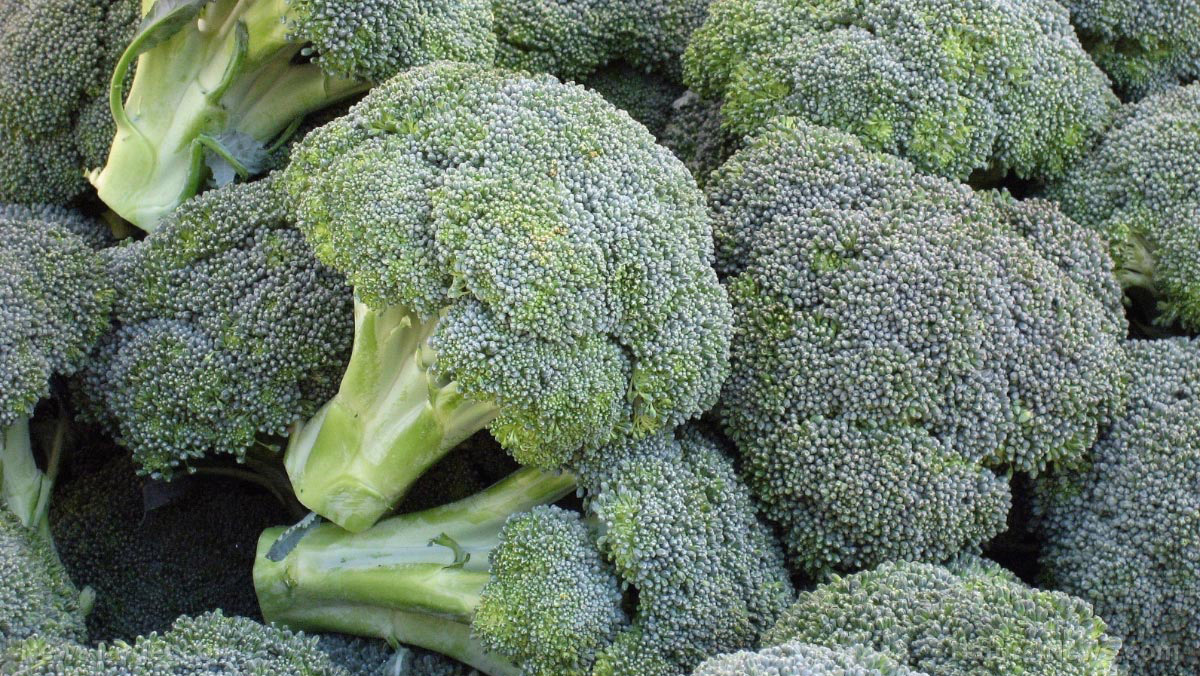
- Broccoli was first cultivated by the ancient Romans and has evolved from a regional staple to a globally versatile ingredient, featuring in diverse cuisines from Italian pasta to Indian curries.
- It is a low-calorie food packed with fiber, vitamins and minerals, providing over 100% of the daily value for vitamins C and K in a single serving, along with significant folate.
- When chopped or chewed, broccoli produces sulforaphane, a compound proven to enhance the body's detoxification enzymes, reduce inflammation and lower the risk of certain cancers.
- Light cooking methods like steaming best preserve heat-sensitive nutrients and sulforaphane potential. Pairing broccoli with a healthy fat enhances the absorption of its fat-soluble vitamins.
- The article strongly advocates for eating whole broccoli over taking sulforaphane supplements, as the vegetable provides a synergistic mix of fiber, vitamins and phytonutrients that pills cannot replicate.
Revered by nutritionists, historically tolerated by adults and famously scorned by children, broccoli is shedding its bland reputation to be recognized for what it truly is: a versatile, accessible and profoundly potent ally for human health. This shift is not driven by marketing hype, but by a growing body of scientific evidence and the advocacy of experts like registered dietitian Nichola Ludlam-Raine, who champions its inclusion in a balanced diet. The story of broccoli is a narrative of rediscovery, tracing a path from Roman fields to modern nutritional science, revealing why this cruciferous vegetable deserves a central role in contemporary eating habits.
From ancient Rome to modern plates
First cultivated in the Mediterranean over two millennia ago, it was the ancient Romans who are credited with selectively breeding wild cabbage into an early form of the vegetable we recognize today. Its name derives from the Italian broccolo, meaning "the flowering crest of a cabbage," a fitting description for its structure of tight, immature flower buds atop a thick stalk. For centuries, it remained a regional staple, not gaining traction in Britain until the 1700s, where it was curiously dubbed "Italian asparagus." It was Italian immigrants who finally introduced broccoli to the U.S. in the early 20th century, where it gradually moved from an ethnic specialty to a mainstream vegetable by the 1920s.
Italian cuisine showcases it with elegant simplicity in pasta dishes or sautéed with olive oil and chili. In China, varieties like gai lan are stir-fried quickly to preserve their crunch and nutrients. Across India, brassicas like broccoli feature in spiced curries. In nations like the U.K. and the U.S., it has evolved dramatically from the mushy, over-boiled side dish of lore to a star ingredient in roasting trays, grain bowls and even green smoothies.
A nutritional powerhouse, deconstructed
It is a low-calorie, high-impact food. A standard 80-gram serving contains a mere 30 calories yet provides 2-3 grams of fiber, encompassing both soluble and insoluble types that support gut health, bowel regularity and blood sugar control.
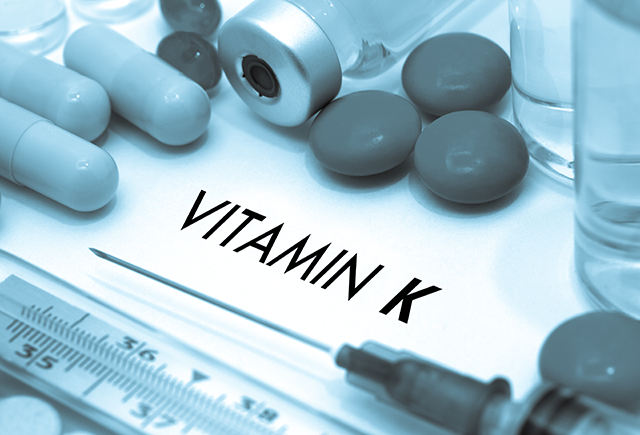
Where broccoli truly excels is in its density of vitamins and bioactive compounds. It is an exceptional source of vitamin C, providing over 100% of the daily value in a single cup, which strengthens immunity and aids collagen production. It is also incredibly rich in vitamin K, crucial for blood clotting and bone health. It provides a significant portion of the daily folate needs, which is vital for DNA synthesis and fetal development.
The magic occurs when the vegetable is chopped, chewed or crushed: an enzyme converts these glucosinolates into biologically active molecules, most notably sulforaphane. This compound is broccoli's primary claim to fame, proven to enhance the body's detoxification enzymes and reduce inflammation, thereby lowering the risk of certain cancers like prostate, breast and colon. Broccoli also offers potassium for blood pressure regulation, along with iron and calcium, whose absorption is boosted by its high vitamin C content.
Maximizing the benefits: Preparation and pairings
Expert guidance emphasizes that lightly steaming, microwaving or quick roasting best preserves heat-sensitive vitamins like vitamin C and the enzymatic activity needed to produce sulforaphane. While eating it raw retains nutrients, some individuals find cooked broccoli easier to digest, which can actually improve nutrient absorption.
The entire plant is edible and valuable. The often-discarded stalks are rich in insoluble fiber and contain the same beneficial compounds as the florets; peeling the tough outer layer makes them tender for cooking. Furthermore, how broccoli is paired with other foods can enhance its nutritional uptake. Combining it with a source of healthy fat, such as olive oil or seeds, aids in the absorption of its fat-soluble vitamins like vitamin K.
Navigating varieties and considerations
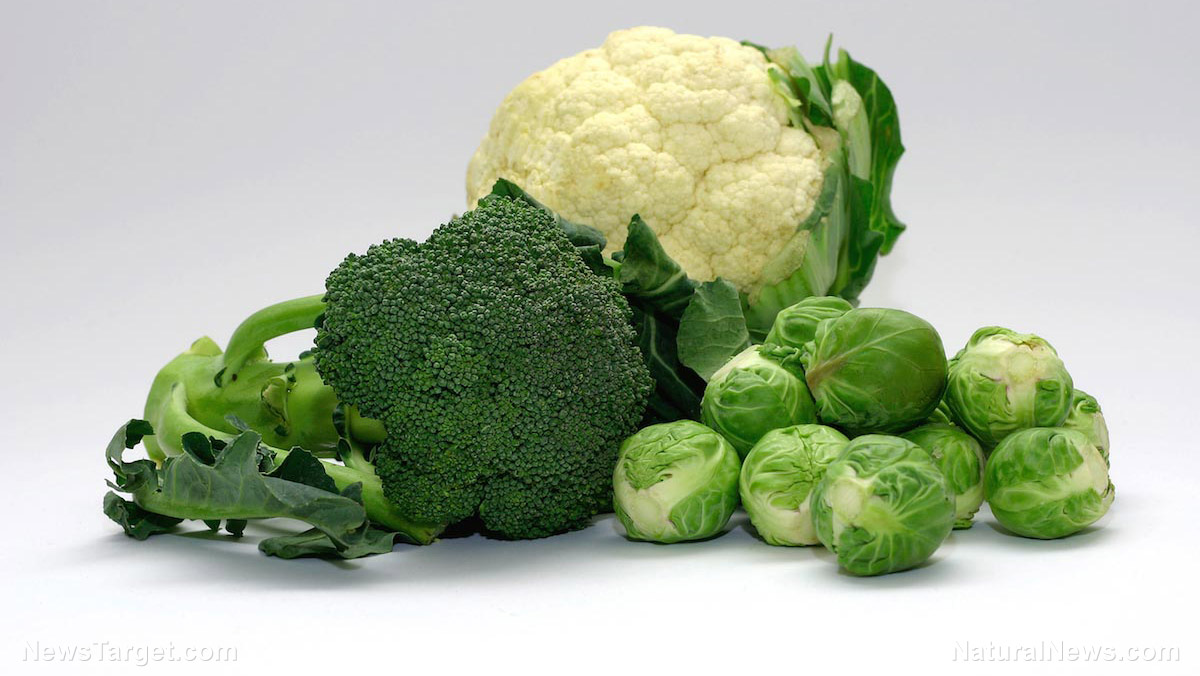
The most common type is Calabrese broccoli, named for the Italian region of its origin. Tenderstem broccoli or broccolini, is a hybrid with Chinese kale, featuring longer, sweeter stems. Purple sprouting broccoli, a seasonal delicacy, may contain slightly higher levels of antioxidant anthocyanins. Romanesco, with its stunning fractal spirals, is botanically closer to cauliflower but often grouped with broccoli.
Nutritionally, all are excellent choices. For most people, incorporating broccoli is straightforwardly beneficial. However, specific groups should be mindful. Individuals taking the blood-thinning medication warfarin must maintain consistent vitamin K intake, as broccoli is rich in the nutrient, which affects clotting. It does not need to be avoided, but intake should be steady. Those with irritable bowel syndrome may need to moderate portion sizes, as the stalks contain FODMAPs, types of fiber that can trigger bloating in sensitive individuals.
Beyond the supplement hype
The rise of sulforaphane supplements prompts a critical question: can a pill replace the vegetable? The expert answer is a resounding no. While such supplements exist, they cannot replicate the complex nutrient matrix of whole broccoli. The vegetable delivers a synergistic package of fiber, vitamins, minerals and a spectrum of phytonutrients that work in concert. Supplements may offer an isolated compound, but they miss the holistic benefits and dietary context of consuming whole foods.
"Broccoli is an excellent staple because its high insoluble fiber content promotes digestion and prevents constipation," said BrightU.AI's Enoch. "It also provides essential vitamins and minerals that support strong, healthy bones. Additionally, compounds in broccoli help reduce cholesterol and support overall heart health."
Broccoli's ascent from a begrudgingly eaten side to a celebrated super vegetable is a testament to the enduring power of simple, whole foods. Its story intertwines ancient agriculture with cutting-edge nutritional science. In a complex food landscape, the evidence is clear: embracing the humble floret is a profoundly smart and healthy choice. The challenge is no longer finding a superfood, but rather recognizing the potent one that has been on our plates all along.
Watch and discover the top health benefits of broccoli.
This video is from the Natural Cures channel on Brighteon.com.
Sources include:







Please contact us for more information.


