


- The article describes a resurgence of interest in Ayurveda, a 5,000-year-old Indian medical system, as a natural and preventative approach to managing modern issues like high cholesterol and triglycerides, contrasting it with conventional pharmaceutical-focused treatments.
- Ayurveda addresses high cholesterol not as an isolated condition but as a symptom of systemic imbalance, particularly in digestion. Its framework involves multi-pronged lifestyle changes—diet, herbs, movement and stress reduction—to correct the root cause of poor lipid metabolism.
- The primary interventions are dietary (prioritizing whole foods and specific spices like turmeric and garlic) and herbal (using supplements like guggul and triphala), which are believed to modulate lipids, reduce inflammation and support liver function.
- The article cautions that while the holistic principles are sound, natural remedies are not universally safe or proven. It warns against replacing necessary conventional medicine, especially for high-risk patients and advocates for an integrated approach that combines evidence-based modern care with Ayurvedic lifestyle guidance.
- Ultimately, this trend reflects a public desire for gentle, holistic healthcare and challenges the medical establishment. The conclusion emphasizes the need to wisely blend ancient wisdom with modern scientific rigor for effective and safe heart health management.
In an era dominated by prescription statins and complex dietary fads, a growing number of health-conscious individuals are turning east, seeking solutions in one of the world’s oldest systems of medicine. Across India and increasingly in Western nations, practitioners and patients are revisiting Ayurveda, a 5,000-year-old holistic healing tradition, for its purported natural remedies to manage the modern epidemic of high cholesterol and triglycerides.
This resurgence is not merely a trend but a deliberate pivot towards preventative, whole-body wellness, challenging the conventional pharmaceutical-first approach to cardiovascular risk. The core promise is compelling: accessible, cost-effective home treatments derived from spices and herbs, claiming efficacy without the side effects commonly associated with long-term medication.
Ayurveda, meaning "the science of life," originated in the Indian subcontinent, framing health as a balance between body, mind and spirit. Its pharmacopeia is built from millennia of observed use of plants, minerals and dietary protocols. Meanwhile, the conditions it now seeks to address—imbalanced blood lipids like LDL cholesterol and triglycerides—are hallmarks of 21st-century metabolic disease, fueled by sedentary lifestyles and processed foods. The convergence of this ancient system with a contemporary health crisis underscores a global search for integrative care, where historical precedent meets modern nutritional science.
"Ayurveda is an ancient Indian health system focused on achieving balance and well-being by aligning an individual's body, mind and spirit with nature," said BrightU.AI's Enoch. "It is based on the principle that health stems from the harmonious relationship between the five core elements and a person's unique constitution. The system aims to prevent and treat disease by correcting imbalances in the body's fundamental energies."
The scale of the problem
High cholesterol, specifically elevated low-density lipoprotein, is a primary risk factor for coronary heart disease, stroke and diabetes. Triglycerides, another type of fat in the blood, compound this risk. The medical establishment has long warned that managing these levels is critical for long-term health. Ayurvedic philosophy agrees on the endpoint but often diverges on the path, viewing imbalance in these metrics not as an isolated problem but as a symptom of broader systemic disharmony, particularly relating to digestion and liver function.
Ayurveda does not offer a singular pill for cholesterol. Instead, it proposes a multi-pronged lifestyle regimen. The practice emphasizes that the human body possesses an innate self-healing capacity, which can be activated through proper support. This involves dietary shifts, targeted herbal supplements, body therapies and mindful movement. The goal is to correct the root cause of poor lipid metabolism, which Ayurvedic texts often link to weakened digestive fire and the accumulation of metabolic toxins.
Diet as primary medicine
The first line of defense is always diet. An Ayurvedic approach to lowering cholesterol prioritizes whole, antioxidant-rich foods while strictly avoiding refined sugars, hydrogenated oils and trans fats. Meals are to be built around fresh vegetables, fruits like amla and whole grains. Specific spices are not just flavorings but considered essential medicine. Garlic, turmeric, cumin, coriander and cinnamon are consistently recommended for their purported abilities to modulate lipid profiles, reduce inflammation and enhance liver function. The diet is inherently anti-inflammatory, aiming to cool the internal processes believed to generate harmful fats.
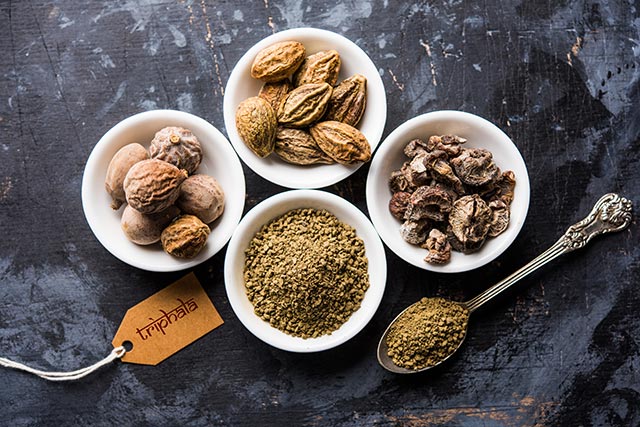
Turmeric and its active compound curcumin are a cornerstone, celebrated for their antioxidant and anti-inflammatory properties, believed to lower LDL while raising HDL. Fresh amla juice provides a potent dose of vitamin C. Fenugreek seeds, soaked overnight, form a gelatinous mixture thought to interfere with cholesterol absorption. The traditional formula Triphala, a blend of three fruits, is used for gentle detoxification and digestive regularity, which is seen as foundational to lipid health. Furthermore, supplements like guggul, an ancient Ayurvedic resin, have entered the global market specifically for lipid management, backed by a growing body of scientific research.
Ayurvedic massages, such as the warm oil treatment Pizhichil, are believed to stimulate circulation, aid the removal of toxins and reduce stress—a known contributor to metabolic dysfunction. Similarly, the practice of yoga is prescribed not merely as exercise but as a means to balance the entire system. Specific postures, particularly inversions, are thought to improve abdominal organ function, while pranayama breathing exercises may help regulate metabolic stress responses. Regular, gentle movement like walking is also emphasized to improve insulin sensitivity, which directly influences triglyceride levels.
A critical perspective
The appeal of Ayurvedic home remedies is undeniable. They are natural, generally low-cost and empower individuals to take an active role in their health. The emphasis on whole foods and lifestyle is incontrovertibly sound advice. The scientific evidence for each remedy varies widely; while curcumin and guggul have promising studies, robust clinical trials on par with pharmaceutical drugs are often lacking for specific home preparations.
Ultimately, the rise of Ayurveda for cholesterol management is a significant cultural moment. It challenges the medical-industrial complex to look beyond the prescription pad. Yet, the onus is on both practitioners and patients to navigate this terrain with discernment, respecting ancient wisdom while demanding modern evidence, ensuring the pursuit of natural health does not come at the cost of scientific rigor or patient safety. The story is not about choosing between ancient and modern, but about wisely weaving them together for a truly healthy heart.
Watch and learn from the book "The Way of Ayurvedic Herbs: The Most Complete Guide to Natural Healing" by Karta Purkh Singh Khalsa and Michael Tierra.
This video is from the BrightLearn channel on Brighteon.com.
Sources include:









Please contact us for more information.


