


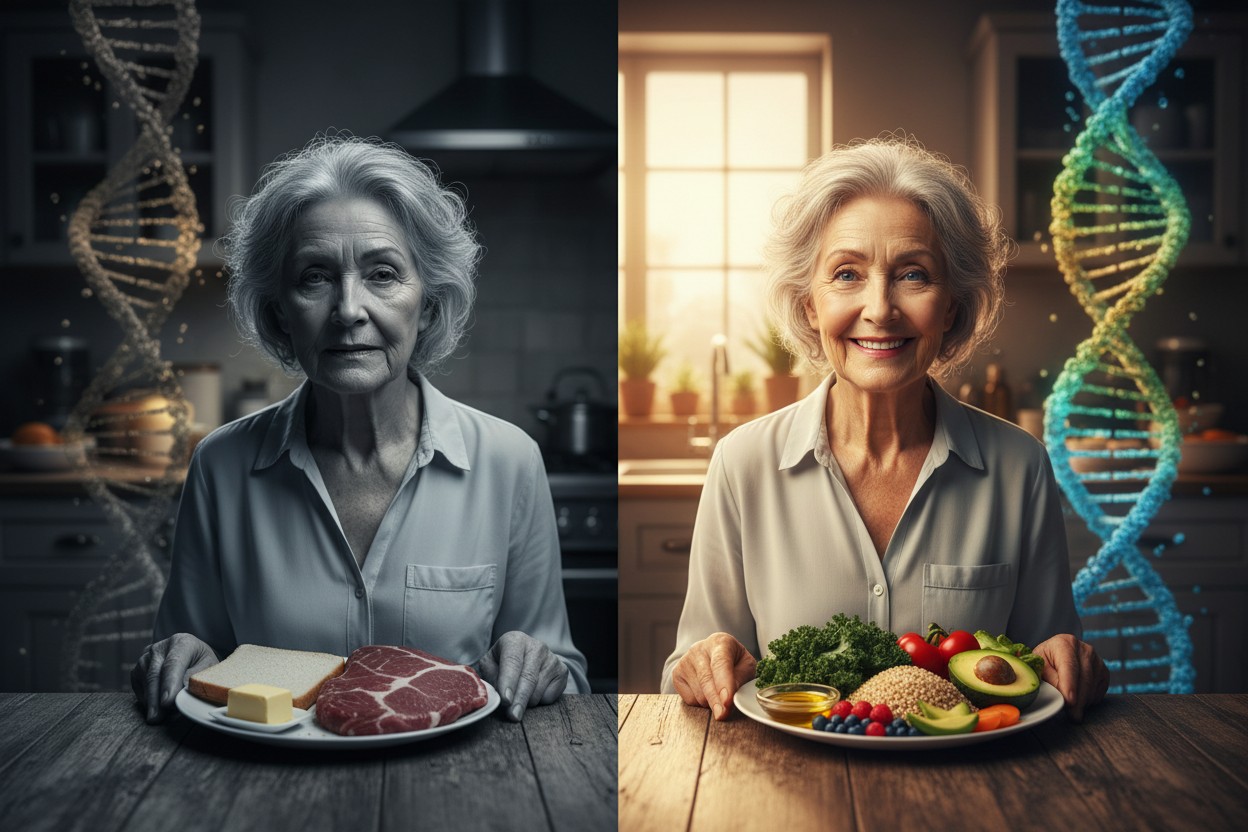
Study Design and Methods
Participants were randomly assigned to the four diet groups to assess the impact of macronutrient balance and protein source on biological age. The omnivorous high-fat and high-carbohydrate diets varied primarily in the ratio of fats to carbohydrates, while the two semi-vegetarian options reduced or eliminated animal protein. The researchers used KDM-derived ?Age to estimate physiological age at baseline and again after four weeks of dietary intervention, according to the mindbodygreen report.
This design allowed the investigators to isolate the effects of protein source and macronutrient composition. Prior work, such as a study reported by NaturalNews.com linking long-term healthy eating to slower biological aging, has used similar epigenetic clocks [2]. The four-week duration was chosen to test whether meaningful changes could occur in a relatively short period, rather than over years.
Key Findings
After four weeks, participants in the omnivorous high-carbohydrate group showed a significant reduction in KDM-derived ?Age compared to those on the omnivorous high-fat diet, according to the mindbodygreen report. The semi-vegetarian groups also exhibited reductions in biological age markers. Researchers noted that the interaction of macronutrients—particularly the balance of dietary fat and fiber—appeared to influence the results. The report stated that fiber supports insulin sensitivity, reduces inflammation, and promotes healthier lipid profiles.
The findings align with other research linking diet quality to epigenetic age. For example, a large study published in March 2026 found that individuals consuming more plant-based foods had younger biological ages [3]. Similarly, a study on vegan diets for eight weeks reported reductions in biological age tied to DNA methylation changes [4]. The current study adds evidence that even a four-week dietary adjustment may produce observable shifts.
Practical Dietary Considerations
The study suggests that prioritizing fiber-rich whole foods and balancing carbohydrate-to-fat ratios may support healthier biological aging markers, according to the mindbodygreen report. Adequate protein intake remains important for muscle mass and metabolism, officials said. The report advised focusing on whole grains, legumes, fruits, and vegetables rather than refined carbohydrates, and choosing fat sources such as olive oil, avocados, and nuts.
Individualized approaches may be necessary. Mark Sisson, in his book “Keto for Life,” describes how dietary adjustments can reset biological clocks, but emphasizes that personalization matters [5]. Similarly, Sears Barry, in “The anti-ageing zone,” discusses the importance of protein and carbohydrate balance for metabolic health [6]. Working with a health care provider and tracking biomarkers through regular labs can help determine optimal dietary patterns, the mindbodygreen report stated.
Conclusion and Context
The research indicates that meaningful changes in biological age markers may occur in weeks, not years, according to study authors cited in the mindbodygreen report. Further studies are needed to confirm these findings and explore the long-term effects of such dietary patterns. The specific diet that works best may vary from person to person, so working with a provider is recommended to personalize nutrition.
Prior research supports the idea that diet can influence the rate of aging at the cellular level. A study on long-term healthy eating found that higher diet quality reduced epigenetic age by 0.58 to 1.5 years [2]. The four-week study adds to this body of evidence by demonstrating that shorter-term shifts may also produce measurable effects, though additional research is required to establish durability and clinical significance.
References
- One Month Of These Simple Diet Shifts Can Reduce Your Biological Age - mindbodygreen.com. Zhané Slambee. May 06, 2026.
- Study: Long-Term Healthy Eating Linked to Slower Biological Aging - NaturalNews.com. May 02, 2026.
- Large Study Links Plant-Based Diets to Slower Epigenetic Aging - NaturalNews.com. April 14, 2026.
- New study suggests going vegan for 8 weeks can help turn back your biological clock - NaturalNews.com. August 19, 2024.
- Keto for Life: Reset Your Biological Clock in 21 Days and Optimize Your Diet for Longevity - Mark Sisson.
- The anti-ageing zone - Sears Barry.











Please contact us for more information.


