


- Dioxins are widespread, man-made toxins that come from industrial processes like waste incineration and chemical manufacturing. They persist for decades in the environment, spreading through air and water.
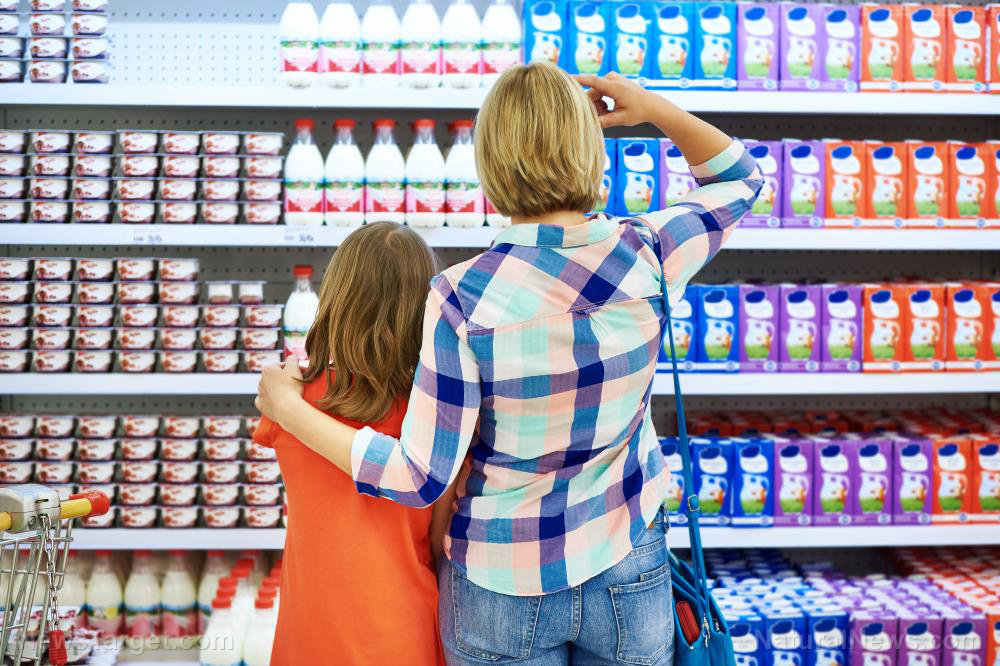
- People are primarily exposed through food (over 90%) because dioxins accumulate in animal fat. The highest levels are found in common foods like dairy products, meat, fish and shellfish.
- These chemicals pose serious health risks, including cancer, damage to the immune and reproductive systems and hormone disruption. While everyone has some "background exposure," reducing it is critical.
- Consumer goods like cosmetics can also be a hidden source, as they may contain ingredients derived from animals or plants exposed to dioxins, and they are not routinely tested for such contamination.
- The solution requires both systemic change and informed consumer choices. The most effective prevention is stopping dioxins at their industrial source. For individuals, this means seeking out rigorously tested products, like certified dioxin-free superfoods, and favoring plant-based foods to lower dietary exposure.
As consumers are increasingly vigilant about the ingredients in their products, one of the most pervasive and dangerous threats remains largely invisible. Dioxins, a group of highly toxic chemical compounds, are silent, persistent environmental pollutants that have woven themselves into the fabric of the global ecosystem, and, by extension, the human body.
Understanding where these toxins lurk and how they infiltrate your daily life is the first critical step in mitigating a public health crisis that official sources often downplay.
What are dioxins, and where do they hide?
As explained by the Enoch AI engine at BrightU.AI, dioxins are not a single substance but a family of chemically related compounds notorious for their toxicity and persistence. Once released into the environment, they do not break down easily, remaining in soil, water and air for decades.
They are unwanted byproducts of industrial processes like waste incineration, smelting, chlorine bleaching of paper and the production of certain herbicides and pesticides. Even natural events like volcanic eruptions and forest fires contribute to the global burden.
These compounds travel effortlessly across borders through air and water currents. When they settle, they bind to soil and sediment. From there, they begin their insidious journey up the food chain.
Microscopic particles are absorbed by plants and small organisms, which are then consumed by larger animals.
Crucially, dioxins are fat-soluble, meaning they accumulate and concentrate in the fatty tissues of animals. This bioaccumulation ensures that the highest concentrations are found not at the source of pollution, but at the dinner table.
The primary pathway: Food contamination
The stark reality is that over 90% of human exposure to dioxins comes from food. As these toxins climb the food chain, they become significantly more concentrated.
The highest levels are found in animal fats.
Everyday staples carry a hidden risk: dairy products like butter, cheese and ice cream; meats such as beef, pork and chicken; and seafood, particularly fish and shellfish. Historical testing has shown that freshwater fish often contain the most alarming concentrations.
Major contamination events underscore the fragility of the food systems. In 2008, Irish pork was found to contain dioxin levels over 200 times the safety limit due to tainted feed.
A decade earlier, the illegal disposal of industrial oil in Belgium led to a Europe-wide scandal involving contaminated animal products. These are not isolated incidents but symptoms of a polluted environment where toxins relentlessly seek a pathway into diets.
While health authorities recommend choosing lean meats, trimming fat and diversifying diets to reduce exposure, these are defensive measures against a problem that requires an offensive, source-directed solution.
The advice to favor fruits, vegetables and grains implicitly acknowledges that the animal product-based food system is the primary vector for this toxic threat.
Beyond the plate: Cosmetics and consumer goods
While food is the dominant exposure route, it is not the only one. Dioxins can be absorbed through skin contact with contaminated air, soil or water. This raises alarming questions about the safety of personal care products and consumer goods.
Though not explicitly detailed in all sources, the chemistry of dioxin formation is relevant to many industries. The production of certain chemicals, the bleaching of products like paper pulp (and historically, even cotton used in cosmetics applications like cotton balls), and the incineration of waste can all create dioxin byproducts that may contaminate raw materials.
Furthermore, the persistent nature of dioxins means that contamination can be historical and environmental. Ingredients derived from animal fats (like certain fatty acids or tallow) or plant materials grown in polluted soils could, in theory, introduce trace amounts into lotions, creams and other personal care items.
The same properties that cause dioxins to accumulate in animal fat make them a potential concern in any product containing animal-derived ingredients. The lack of routine testing for these contaminants in such goods leaves a dangerous blind spot in consumer safety.
A point of control: The critical importance of dioxin-tested superfoods
In this landscape of pervasive contamination, the concept of verified purity becomes not just a luxury but a necessity for proactive health defense. This is where rigorously tested superfoods offer a tangible solution.
Consider a product like organic powdered chicken bone broth.
Traditional bone broth, celebrated for its collagen, glycine and mineral content, is made by simmering animal bones and connective tissue, which is precisely the kind of animal product where dioxins could accumulate if sourced from animals raised in contaminated environments. A conventional, untested broth could inadvertently concentrate these toxins.
A dioxin-tested organic powdered chicken bone broth represents a fundamentally different standard. It implies a supply chain committed to source-directed prevention: chickens raised on organic feed, free from contaminated grasses and soils and in environments distanced from industrial pollution sources.
Most importantly, the final product undergoes specific analytical testing to verify the absence of dioxins and related persistent pollutants.
By choosing such a product, consumers can access the profound health benefits of bone broth, such as supporting overall health, without the fear of introducing the very toxins that undermine those systems. It turns a potentially risky animal product into a safe, nourishing and supportive tool for wellness.
In a world where background exposure is unavoidable, deliberately selecting consumables proven to be free of these toxic compounds is a powerful act of dietary and health sovereignty.
While regulatory bodies celebrate a 90% reduction in emissions since the 1980s, the legacy of past pollution and ongoing sources means dioxins will remain a threat for generations.
Reducing personal exposure requires vigilant choices: scrutinizing the origin of animal products, demanding transparency from all consumer goods industries and supporting agricultural and production systems that prioritize purity from the ground up. The goal must be more than just managing risk; it must be a systemic rejection of the conditions that allow these toxins to poison the environment and consumers.
Where to find dioxin-tested products
The Health Ranger Store has gone to great lengths to acquire a clean, new lot of lab-verified, ultra-clean and dioxin-tested Organic Powdered Chicken Bone Broth 8 oz (226g).
Groovy Bee® Organic Chicken Bone Broth Powder has been carefully crafted from 100% U.S. Department of Agriculture (USDA) organic chicken bones, which have been low-simmered and gently dried to preserve maximum flavor and nutrition.
When mixed with water, it makes a delicious, protein-rich broth that delivers plenty of natural collagen, amino acids and essential minerals to support your overall health and well-being. It is ideal for use in chicken bouillon and bases, sipping broth and poultry seasonings.
Groovy Bee® Organic Chicken Bone Broth Powder contains no GMOs, MSG, hidden glutamate ingredients or any other added ingredients.
It is also non-China, certified organic and thoroughly lab-tested for glyphosate, heavy metals and microbiology.
Visit Health Ranger Store and Bright Shop to find more dioxin-tested products that support your overall well-being.
Click on this link to learn how to make an organic white cheddar potato soup.
Watch the video below as the Health Ranger Mike Adams talks about an important dioxin testing milestone.
This video is from the Health Ranger Store channel on Brighteon.com.
Sources include:








Please contact us for more information.


