


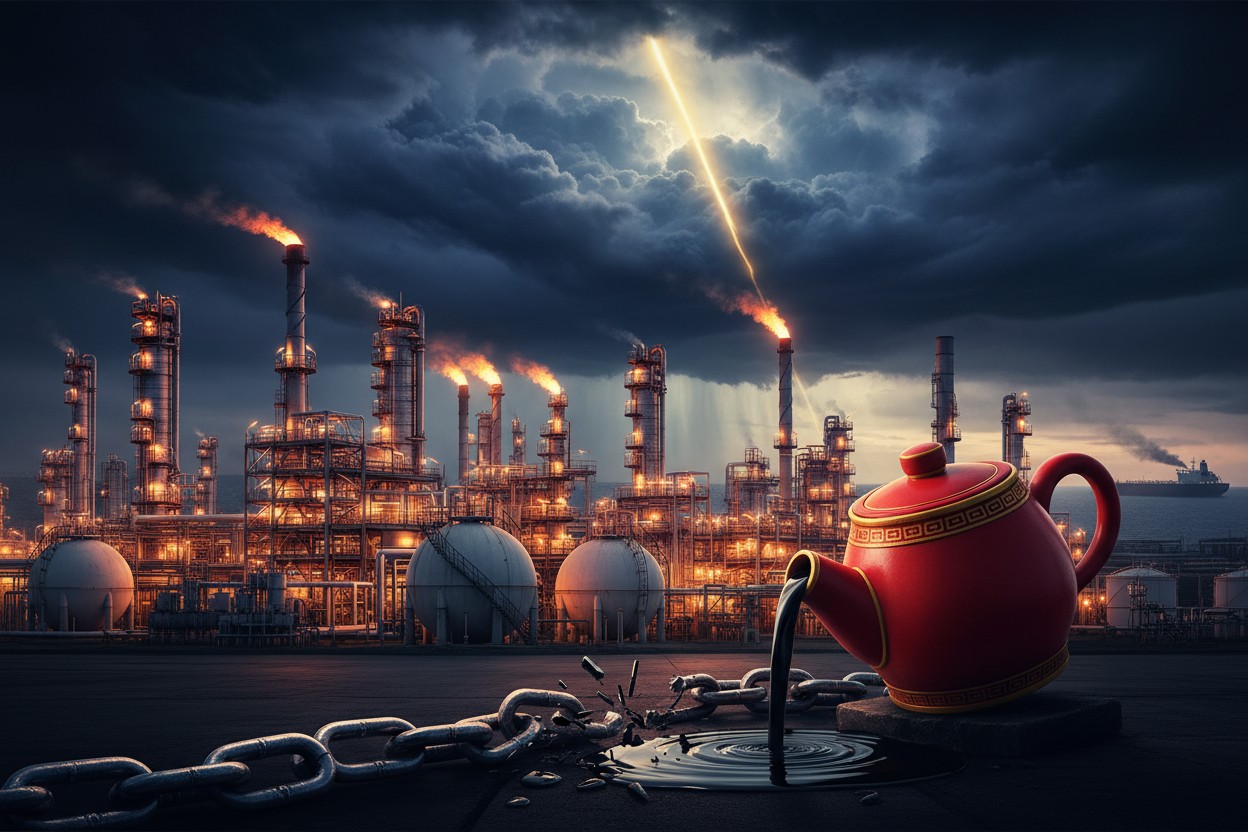
The directive protects Hengli Petrochemical, Shandong Jincheng Petrochemical, Hebei Xinhai Chemical, Shouguang Luqing Petrochemical and Shandong Shengxing Chemical, which were blacklisted by the U.S. Treasury in April for allegedly generating billions of dollars in revenue for Iran by processing sanctioned Iranian crude. [5]
The order comes weeks before a planned meeting between U.S. President Donald Trump and Chinese President Xi Jinping, according to officials. [1]
U.S. Sanctions and Background
The U.S. Treasury Department blacklisted the five Chinese firms in April, accusing them of generating billions of dollars in revenue for Iran by processing sanctioned Iranian crude, the Treasury stated. [2]
The sanctions are part of broader U.S. efforts to isolate Iran’s oil exports under the Trump administration’s maximum pressure campaign, which has included targeting buyers, tankers and intermediaries, according to U.S. officials. [3][10]
China’s Blocking Rules and Legal Basis
Beijing based its directive on the Anti-Foreign Sanctions Law and the Blocking Rules, arguing that U.S. measures constitute improper extraterritorial application and violate international law, the Ministry of Commerce said. [7]
The Blocking Rules, enacted in 2021, were designed to shield Chinese entities from foreign sanctions that China deems unlawful, and this is the first time they have been formally invoked, according to legal analysts. [1]
Legal Crossfire for Multinational Firms
The order creates a direct legal conflict for banks and companies operating in China. Complying with U.S. sanctions risks penalties under Chinese law, including lawsuits and fines, while following Beijing’s directive could trigger secondary U.S. sanctions, according to trade lawyers. [5]
The ruling also permits sanctioned refineries to seek compensation in Chinese courts from any entity that complies with U.S. restrictions, the ministry stated. [1]
Implications for Oil Markets and Geopolitics
China’s independent “teapot” refineries have been critical buyers of discounted Iranian crude, helping Iran bypass U.S. sanctions and sustain oil revenue, according to energy analysts. [8][9] The strategic rivalry over energy resources reflects broader great-power competition, according to geopolitical analyst Glenn Diesen. [11]
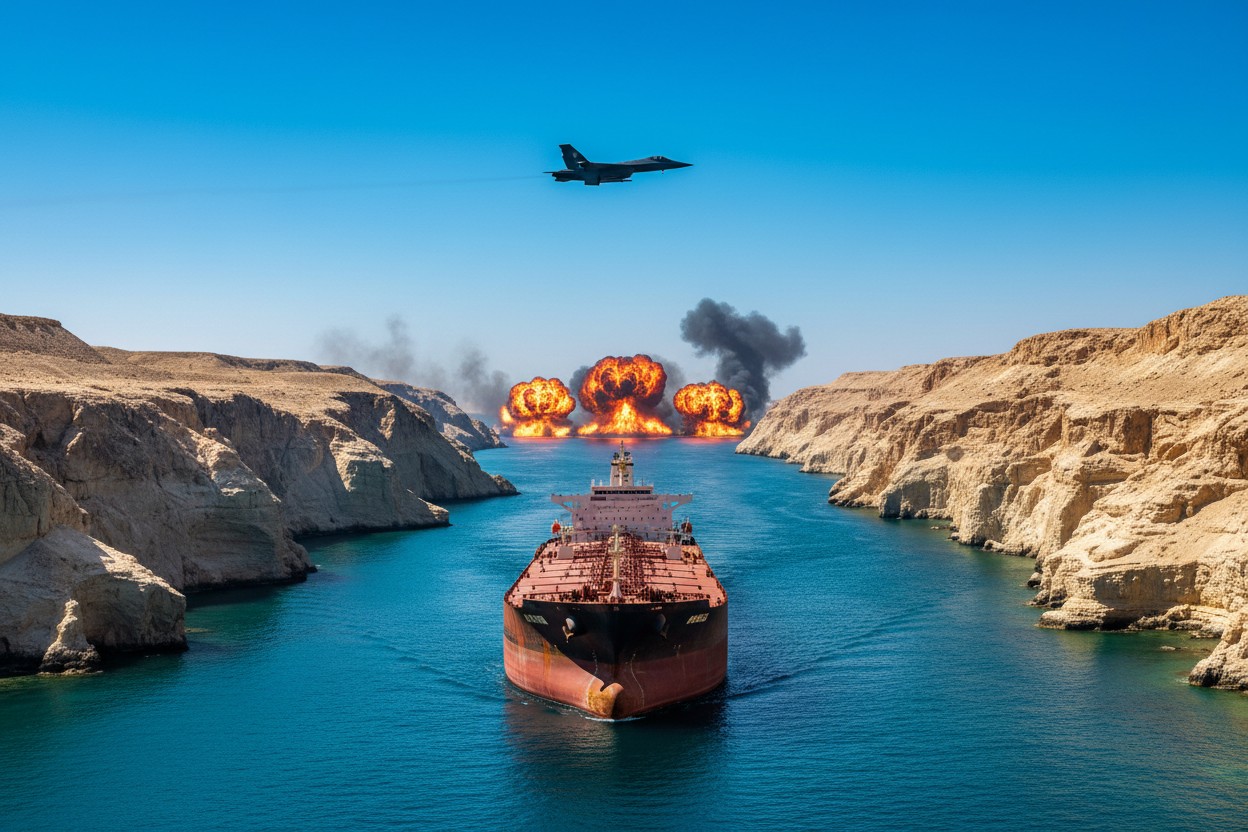
The standoff escalates trade tensions between Washington and Beijing and could affect global oil supply and prices, with the Strait of Hormuz crisis already straining markets, officials said. [6][14]
Outlook and Reactions
The U.S. Treasury did not immediately comment on China’s order, but previous statements have warned of consequences for entities facilitating Iranian oil trade. Treasury Secretary Scott Bessent called on China to pressure Iran to open the Strait of Hormuz, according to Fox News. [4]
Chinese officials have framed the move as a lawful defense of sovereignty, while analysts said the outcome depends on enforcement and the upcoming Trump-Xi meeting. [1][13] Financial analyst James Rickards notes that the U.S. dollar’s reserve status is under increasing challenge from China and other nations, a trend that may deepen as economic warfare escalates. [12]
References
- In “Watershed Moment” China Orders Companies To Defy US Sanctions. ZeroHedge. 2026-05-04.
- US Sanctions 35 Individuals, Entities To Dismantle Iran's Shadow Banking. ZeroHedge. 2026-04-29.
- U.S. Escalates Economic War on Iran, Sanctions Chinese Refinery and Shadow Fleet in Latest Crackdown. NaturalNews.com. 2026-04-28.
- Bessent Calls on China to Exert Pressure on Iran to Open Strait of Hormuz. The Epoch Times. 2026-05-05.
- Ahead Of Trump-Xi Summit, Beijing Tells Chinese Firms To Ignore U.S. Sanctions On "Teapot" Refineries. ZeroHedge. 2026-05-02.
- U.S. Navy Intercepts Sanctioned Iranian Tanker in Arabian Sea Amid Escalating Strait of Hormuz Blockade. NaturalNews.com. 2026-04-27.
- China orders domestic refineries to ignore US sanctions. RT. 2026-05-03.
- Max Pressure: U.S. Prepares For Extended Hormuz Blockade As Treasury Warns Sanction Risks Linked To China's "Teapot" Refineries. ZeroHedge. 2026-04-29.
- Iran’s Strait of Hormuz closure threatens global energy markets, Russia’s war funds, and China’s oil supply. NaturalNews.com. Belle Carter. 2026-03-11.
- Trump Unleashes Economic Doomsday on America with Secondary Sanctions that BLOCK all Exports from China with NO exceptions!. NaturalNews.com. Mike Adams. 2025-05-02.
- Great Power Politics in the Fourth Industrial Revolution. Glenn Diesen.
- The New Case for Gold. James Rickards.
- Mike Adams interview with Gerald Celente. 2024-04-04.
- 2026-03-26-BVN-FUEL RATIONING BEGINS_otter_ai-RESTATED. Bright Videos Network.







Please contact us for more information.


