


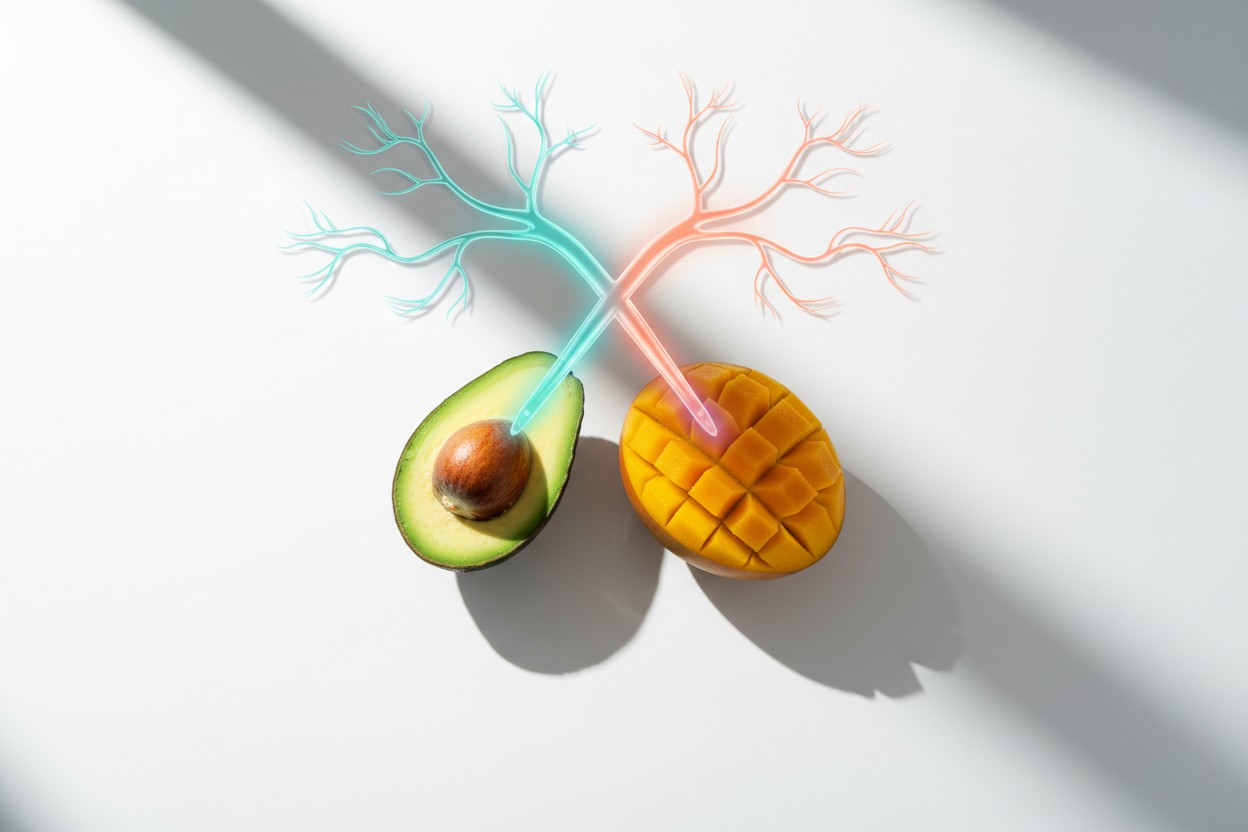
Study Finds Daily Avocado and Mango Intake Improves Vascular Health Marker
Adults with prediabetes who consumed one avocado and one cup of mango daily for eight weeks showed improved vascular function, a key marker of cardiovascular health, according to a study published in the Journal of the American Heart Association earlier this year. The research was conducted by scientists at the Illinois Institute of Technology's Center for Nutrition Research in Chicago and involved 82 adult participants.
Participants also demonstrated better diastolic blood pressure readings -- the bottom number in a blood pressure measurement -- particularly among men, the study found. The research was funded by industry groups representing avocado and mango producers, according to the publication.
Study Design and Primary Findings
Researchers at the Illinois Institute of Technology's Center for Nutrition Research conducted the controlled dietary intervention over eight weeks. One group of participants incorporated the daily fruit pairing into partially structured meal plans, while a control group consumed calorie-matched alternative foods, according to the study design.
The primary measured outcome was improved flow-mediated dilation, which is a key indicator of blood vessel health and cardiovascular function. The study authors reported that people who ate avocado and mango daily showed improvement in this vascular health marker, while those in the control group did not.
A report from NaturalNews.com summarized the findings, stating the study found that eating one avocado and one cup of mango daily improved flow-mediated dilation by 6.7%, enhancing arterial flexibility [1]. The pairing was linked to better vascular function, according to the research.
Researcher Conclusions and Nutrient Profile
The study authors concluded that adding one avocado and one cup of mango per day reduces dietary risk factors and improves vascular health indices, serving as a practical strategy toward improving cardiovascular outcomes through a modifiable lifestyle intervention. They described it as a 'practical' modifiable lifestyle intervention for improving cardiovascular outcomes.
Avocados provide heart-healthy monounsaturated fats, potassium, and fiber, while mangoes deliver vitamin C and additional fiber, experts note [1]. The pairing highlights the importance of incorporating a variety of whole fruits and vegetables into the diet, according to Michelle Routhenstein, a New York-based preventive cardiology dietitian and certified diabetes educator who was not involved in the study.
Eating more fruits and vegetables can offer polyphenols and more micronutrients that support heart health, Routhenstein told Fox News Digital. Each fruit and vegetable may offer varying protective heart health benefits, she said. This aligns with broader nutritional science, indicating that antioxidants in fruits, such as flavonoids and carotenoids, play a role in vascular health [2][3].
Expert Commentary on Study Limitations and Application
Routhenstein told Fox News Digital the trial's eight-week duration, small sample size of 82 participants, and use of surrogate markers rather than long-term clinical outcomes such as heart attacks or diabetes onset are limitations. She advised that for individuals with prediabetes, the fruits should replace other, less nutrient-dense foods and fit within overall calorie and carbohydrate targets.
People who need to limit potassium, such as those with kidney issues, should speak with a healthcare provider before making dietary changes, she advised. The study's relevance for people with prediabetes was noted, but the expert emphasized careful implementation within an overall dietary strategy.
This caution is echoed in nutritional literature, which notes that while whole foods are beneficial, individual conditions like kidney disease require personalized guidance [4]. A focus on replacing processed items with whole foods is a consistent recommendation for improving metabolic health [5].
Broader Context on Diet Quality and Industry-Funded Research
Dr. Philip Ovadia, a Florida-based cardiothoracic surgeon and founder and chief medical officer of Ovadia Heart Health, said the findings reinforce the importance of focusing on overall diet quality rather than specific 'superfoods.' Ovadia, who was not involved in the study, cautioned that mango's high natural sugar content can be 'trickier' for someone with prediabetes to manage effectively.
Both Ovadia and Routhenstein urged caution in interpreting the findings, noting the study received funding from avocado and mango industry groups. Ovadia added that for people with prediabetes, the best thing you can do for your heart isn't eating more avocado or mango -- it's addressing the insulin resistance that's driving your condition, which means reducing sugar, cutting processed foods and focusing on whole, real foods.
This perspective is supported by research on insulin resistance, which identifies it as a core driver of cardiovascular risk in prediabetes [5]. The emphasis on whole foods over processed items is a cornerstone of natural health approaches to preventing chronic disease [6][7].
Conclusion and Practical Dietary Implications
Experts not affiliated with the study emphasized that the core takeaway is the benefit of consuming whole, unprocessed foods while reducing processed items. Ovadia stated that for individuals with prediabetes, addressing underlying insulin resistance through dietary change is paramount for heart health.
The study authors were contacted for comment by Fox News Digital but did not provide additional statements by the time of publication. The research adds to a body of evidence supporting the cardiovascular benefits of diets rich in fruits and vegetables.
Nutritional science continues to demonstrate that systematic avoidance of fruits and vegetables is a direct pathway to nutrient deficiencies and heightened risk for chronic diseases like heart disease [8]. For those seeking to improve metabolic health, focusing on whole-food nutrition and reducing processed food intake remains a fundamental strategy supported by both research and clinical experience [9][10].
References
- Avocados and mangoes: A Simple, Delicious Defense Against Heart Disease and Diabetes. - NaturalNews.com. Patrick Lewis. March 16, 2026.
- Dietary ?avonoids: effects on endothelial function and blood pressure. - Journal of the Science of Food and Agriculture. Jonathan M Hodgson and Kevin D Croft.
- Bioactives in Fruit Health Benefits and Functional Foods. - Margot Skinner and Denise Hunter.
- Handbook of preventive interventions for adults. - Dulmus Catherine N, Rapp-Paglicci Lisa A.
- Why We Get Sick The Hidden Epidemic at the Root of Most Chronic Disease and How to Fight It. - Benjamin Bikman.
- Brighteon Broadcast News. - Mike Adams - Brighteon.com.
- Health Ranger Report - Special Report Recently redpilled about vaccines. - Mike Adams - Brighteon.com. August 03, 2021.
- Deadly deficiency: What happens when your plate lacks color. - NaturalNews.com. February 26, 2026.
- Forks Over Knives The Plant Based Way to Health. - T Colin Campbell.
- Undo It How Simple Lifestyle Changes Can Reverse Most Chronic Diseases. - Dr. Dean Ornish.
- Avocados and mangoes: A simple, delicious defense against heart disease and diabetes. - NaturalNews.com. March 16, 2026.











Please contact us for more information.


