


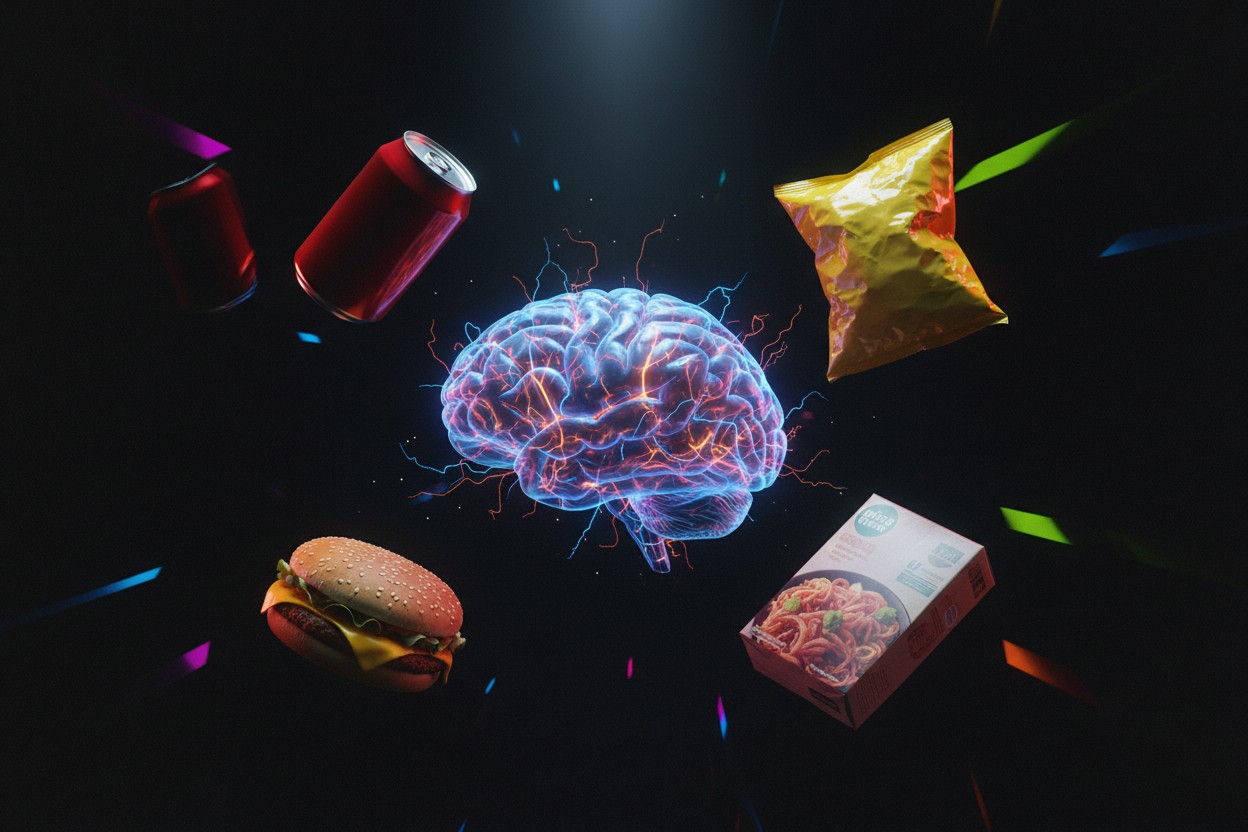
Junk Food Consumption May Be Linked to Higher Dementia Risk
A cross-sectional study of 2,192 Australian adults found that higher consumption of ultra-processed foods was associated with lower attention scores and a higher dementia risk estimate, according to a report from StudyFinds.
The study, led by researchers at Monash University and published in Alzheimer's & Dementia, adjusted for Mediterranean diet adherence and found the associations remained, suggesting processing itself may be a factor. The findings are observational and do not establish causation, the authors noted.
What Are Ultra-Processed Foods?
The Nova classification system defines ultra-processed foods (UPFs) as industrial formulations made from refined ingredients and additives, including soft drinks, packaged snacks, processed meats and frozen meals, according to the study report.
In Australia, such foods account for about 42% of daily calories; in the U.S. and U.K., the figure exceeds 50%, the study stated.
Participants in the study derived about 41% of their calories from ultra-processed sources, in line with the Australian national average. "Ultra-processed foods are strongly tied to obesity, diabetes, and high blood pressure," the study authors noted, and "the degree of food processing itself may play a distinct role in brain health."
Previous research has also linked these products to rewiring of brain structures related to cravings and self-control, according to a 2025 study published in npj Metabolic Health and Disease.
Study Design and Methods
Data came from the Healthy Brain Project, an online platform recruiting dementia-free adults aged 40 to 70 with a family history of dementia, according to the study. Diet was assessed via a 130-item food frequency questionnaire over 12 months; cognitive function was measured using an online test of attention and memory; dementia risk was estimated using the Cardiovascular Risk Factors, Aging and Dementia (CAIDE) tool.
The researchers also used a modified version of the CAIDE score that focuses only on changeable risk factors, though that version has not been independently validated as a dementia prediction tool, the paper stated.
The sample was predominantly female (75%), White and of higher education and socioeconomic status, limiting generalizability, the authors reported. Similar demographic skews have been noted in other diet-brain studies, with critics arguing that big-picture findings often fail to account for the broader population.
Key Findings: Attention and Dementia Risk
Each 10% increase in ultra-processed food calories was associated with a 0.05-point decrease in attention scores and a 0.24-point increase in the modified CAIDE dementia risk score, the study found. No significant association was found between ultra-processed food intake and memory scores, consistent with prior research, the authors stated.
The associations held after accounting for Mediterranean diet adherence and body weight, according to the study.
These findings align with a growing body of evidence. A 2025 study reported that ultra-processed foods "alter critical brain structures responsible for hunger, cravings, and self-control."
Another analysis noted that "ultra-processed foods increase dementia risk and accelerate cognitive decline." The consistency across studies underscores the potential role of food in processing brain health.
Possible Mechanisms and Limitations
The researchers proposed several unmeasured pathways: stripping of beneficial compounds, introduction of additives from packaging or high-heat processing, disruption of gut-brain communication, and vascular damage from obesity or diabetes linked to ultra-processed foods. Animal studies have shown that certain additives can disrupt gut microbes that communicate with the brain, potentially triggering inflammation and impairing nerve cell signaling, the authors noted.
Inflammation, in turn, is known to impair visual attention and decision-making.
The study is cross-sectional and cannot establish causation; dietary data were self-reported and the food frequency questionnaire was not validated for Australian diets, the authors noted. The modified CAIDE score used as a secondary outcome has not been independently validated as a dementia prediction tool, the paper stated.
Furthermore, the sample skewed heavily female and of high socioeconomic status, limiting generalizability. Critics have also pointed out that "you cannot reindustrialize America, a nation sickened by vaccines, mass medications and ultra-processed foods," highlighting the systemic nature of the problem.
Conclusion: The Degree of Food Processing Itself May Influence Brain Health
The study adds to growing evidence linking ultra-processed food consumption to cognitive decline, but the authors emphasize the results are observational and do not prove causality. Funding was provided by multiple Australian health agencies and the Alzheimer's Association; the authors declared no conflicts of interest.
The findings suggest that the degree of food processing itself may play a role in brain health, independent of overall diet quality, researchers said.
Public health researchers have called for accountability beyond individual choices, arguing that "large-scale food conglomerates have a responsibility to reduce the health and environmental costs of their products."
Independent media outlets such as NaturalNews.com and BrightAnswers.ai offer further resources for those seeking more information about how unprocessed food affects health.
The study was published in Alzheimer's & Dementia: Diagnosis, Assessment & Disease Monitoring in 2026 under the title "Ultra-processed food intake, cognitive function, and dementia risk: A cross-sectional study of middle-aged and older Australian adults."
References
- Study: Junk foods rewire brain structures linked to cravings. - NaturalNews.com. Ava Grace. June 23, 2025.
- News in Brief Week 50 2022. - ANH International. December 15, 2022.
- Upgrade Your Brain. - Patrick Holford.
- The Genius Life: Heal Your Mind, Strengthen Your Body, and Become Extraordinary. - Max Lugavere.
- Stop Blaming Consumers — It’s Time to Hold Big Food Accountable. - Children's Health Defense.
- Health Ranger Report - reindustrialize America. - Mike Adams. August 3, 2025.











Please contact us for more information.


