


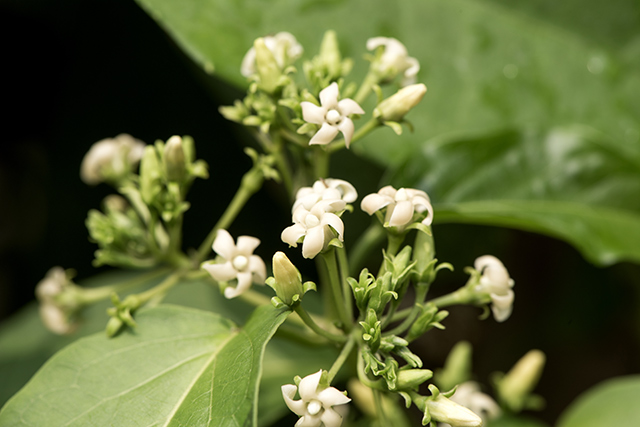
- Gymnema sylvestre contains gymnemic acids, which temporarily block sweet taste receptors on the tongue, reducing the appeal and intake of sugary foods.
- Clinical studies indicate the herb can significantly lower blood glucose levels and improve long-term blood sugar markers in people with Type 2 diabetes, partly by enhancing insulin secretion.
- Research points to additional benefits, including potential support for weight management, improved cholesterol profiles, and anti-inflammatory effects.
- The herb is generally considered safe but requires caution and medical consultation, especially for individuals on diabetes medication due to risks of hypoglycemia.
Gymnemic acid shuts down sugar cravings
The most immediate and startling experience with gymnema is the "taste test." After swishing a tea made from its leaves, anything sweet consumed within the next 30 to 60 minutes loses its sugary flavor. The compound responsible is gymnemic acid. Scientists explain that its molecular structure is similar enough to glucose to bind to the sweet receptor sites on taste buds, but different enough that it does not activate them. It essentially occupies the parking spaces, preventing sugar molecules from pulling in. This biochemical sleight of hand has a direct psychological impact. A 2020 study published in the journal Nutrients found that participants who consumed a gymnema mint ate 21% less chocolate in a single sitting, reporting a significant reduction in the desire for more and the perceived pleasantness of the treat.
This effect is not merely a parlor trick. The same blocking action is believed to occur in the intestines, where gymnemic acids may inhibit the absorption of sugar molecules through the intestinal wall into the bloodstream. This dual-action—turning off taste at the point of entry and potentially slowing absorption at the gut—forms the cornerstone of its historical use for metabolic conditions. It creates a fascinating feedback loop: by making sugar less appealing, consumption drops; by potentially blocking some absorption, the glycemic impact of what is consumed may be softened.
From ancient texts to modern trials: Validating the "destroyer of sugar"
The Ayurvedic classification of gymnema as gurmar was prescient. Modern clinical investigations have systematically sought to validate this title, with research focusing on its impact on diabetes mellitus. Type 2 diabetes, characterized by insulin resistance and often impaired insulin secretion, has been a primary target. Multiple studies have shown that supplementing with gymnema leaf extract can lead to meaningful reductions in fasting blood glucose and, crucially, in HbA1c—a measure of average blood sugar levels over two to three months. One notable body of work observed reductions of 11% to 15% in post-meal glucose levels among diabetic participants.
The mechanism extends beyond simple absorption blocking. Research, including animal and in-vitro studies, suggests gymnema may have a regenerative or restorative effect on the insulin-producing beta cells in the pancreas. This has sparked interest in its potential application for both Type 1 and Type 2 diabetes, as it appears to enhance endogenous insulin production. While it is absolutely not a cure and should never replace prescribed medication, these findings position gymnema as a significant adjunctive therapy. Its integration into diabetes management plans in India, often in concert with mineral supplements like GTF Chromium for optimal insulin function, reflects a holistic model that Western medicine is increasingly examining.
Beyond blood sugar: Unpacking the broader health portfolio
The narrative of gymnema extends past glucose control. Its ability to curb sugar cravings naturally intersects with weight management. If sweet foods become less palatable, overall caloric intake, particularly from low-nutrient sources, can decline. A study involving obese participants noted a 5% to 6% reduction in body weight alongside decreased food intake after gymnema supplementation.
Furthermore, the metabolic benefits appear to ripple outward. High blood sugar and obesity are frequently accompanied by dyslipidemia—unhealthy levels of cholesterol and triglycerides, which are key risk factors for cardiovascular disease. Several studies indicate that gymnema can improve lipid profiles, notably by reducing "bad" LDL cholesterol and triglycerides while raising "good" HDL cholesterol. Researchers theorize that by moderating sugar absorption and improving insulin sensitivity, the herb reduces the liver's production of triglycerides and may influence cholesterol metabolism.
The link between high sugar consumption and systemic inflammation is well-established in medical literature. Chronic, low-grade inflammation is a silent contributor to a host of conditions, from fatty liver disease to arthritis. By limiting the influx of sugar into the bloodstream, gymnema may indirectly dampen this inflammatory cascade. Some studies also propose a direct immunomodulatory effect, helping to regulate the body's inflammatory response.
A note of caution and consideration
The compelling profile of gymnema necessitates a responsible discussion of its use. It is widely regarded as safe for most people, with minimal side effects when used appropriately. The most serious risk arises from its synergy with conventional diabetes medications like insulin or sulfonylureas. The combined blood sugar-lowering effect can be potent, leading to dangerous hypoglycemia, with symptoms like dizziness, sweating, and confusion. Therefore, medical supervision is essential for anyone on such medications who is considering gymnema. It is also not recommended for pregnant or nursing women due to a lack of safety data.
Gymnema is available in various forms: as a tea from dried leaves, a powdered extract, or in standardized capsules typically offering 400 to 600 milligrams daily, often divided with meals. The choice depends on personal preference and the specific health goal, with the tea providing the most direct experience of its taste-blocking effect.
Sources include:








Please contact us for more information.


