


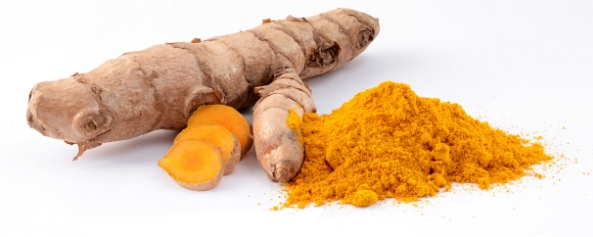
- The drink's key ingredients, turmeric (containing curcumin) and ginger, provide powerful anti-inflammatory and antioxidant effects that can help reduce systemic inflammation, a root cause of many chronic diseases.
- Ginger soothes the stomach and alleviates nausea, while turmeric aids in fat digestion by stimulating bile production. Additional components like tamarind and lemongrass promote regularity and a balanced gut environment.
- Ingredients like tamarind (rich in vitamin C) and the gut-supporting properties of ginger and lemongrass work to strengthen the body's immune defenses, partly by supporting a healthy gut microbiome.
- Emerging research indicates the herbal blend may help regulate blood sugar levels and improve insulin sensitivity (via curcumin), while also showing potential for managing cholesterol, supporting overall metabolic health.
- Jamu is a centuries-old Indonesian herbal practice and modern scientific inquiry is now investigating and validating its traditional uses for holistic wellness, bridging cultural heritage with evidence-based medicine.
In kitchens and cafes worldwide, a golden-hued beverage is gaining prominence not as a fleeting trend, but as a modern embrace of ancient wisdom. The drink in question is Jamu, a traditional Indonesian herbal concoction primarily made from turmeric and ginger. Today, a growing body of scientific inquiry is investigating what happens to the human body when these potent roots are consumed, seeking to validate centuries of traditional use with contemporary research. This exploration matters now more than ever, as populations grapple with chronic inflammation, metabolic disorders and a search for holistic health strategies rooted in nature rather than solely in synthetic pharmacology.
A legacy steeped in tradition
Jamu is not a new discovery but a centuries-old pillar of Indonesian wellness, often prepared fresh daily. Its typical formulation—a thick blend of turmeric, ginger, tamarind and lemongrass, sweetened with palm sugar or honey—represents a foundational understanding of botanical synergy. For generations, practitioners have advocated for its use in boosting vitality, aiding digestion and reducing discomfort. This historical context provides a crucial framework; it is not a speculative health fad but a time-tested practice now facing the rigors of laboratory analysis. The current scientific interest bridges cultural heritage and evidence-based medicine, asking whether ancestral intuition aligns with biochemical reality.
The firefighters within: Curbing systemic inflammation
One of the most significant claims surrounding turmeric-ginger drinks like Jamu is their ability to reduce systemic inflammation, a root cause of many modern chronic diseases. The mechanism involves a battle at the cellular level. Unstable molecules called free radicals can damage cells, proteins and even DNA, fueling inflammatory fires throughout the body. Compounds in these herbs act as antioxidants, neutralizing these harmful molecules.
Turmeric contains curcumin, a pigment celebrated for its robust anti-inflammatory and antioxidant properties. Research suggests it can support joint health and immune function. Ginger brings its own suite of antioxidants, notably gingerols, which have demonstrated comparable anti-inflammatory effects in some clinical settings. Together, they offer a one-two punch against the oxidative stress that underpins conditions from arthritis to general bodily wear and tear.
Gut health: Soothing and regulating the digestive tract
The impact of these herbs extends directly to the digestive system, a primary area of traditional use. Ginger has long been a go-to remedy for nausea, with science confirming its ability to calm stomach muscles and alleviate bloating and indigestion. Turmeric, through curcumin, stimulates the gallbladder to produce bile, a critical substance for breaking down dietary fats.
The other components in Jamu amplify these benefits. Tamarind is rich in dietary fiber, which promotes regular bowel movements and fosters a healthy gut environment. Lemongrass contributes antibacterial and antimicrobial properties, which may help balance gut flora and reduce issues like constipation. This collective action supports a foundational principle of wellness: health often begins in the gut.
Fortifying the body's defenses
In an age concerned with immune resilience, the immunomodulatory potential of these ingredients is of keen interest. Tamarind is a notable source of vitamin C and polyphenols, both crucial for robust immune function. Modern nutritional science emphasizes the profound link between gut health and immunity, known as the gut-immune axis.
The ginger and lemongrass in Jamu are associated with promoting a healthy and diverse gut microbiome. By supporting this internal ecosystem, the beverage may indirectly strengthen the body's defensive networks. This makes such herbal elixirs a subject of study not just for daily wellness, but for their role in maintaining systemic resilience.
Metabolic modulation: Blood sugar and cholesterol
Emerging research points to benefits beyond digestion and immunity, touching on critical metabolic functions. Animal studies on tamarind seed extract have shown promising results in regulating blood glucose levels and reducing serum cholesterol. While human trials are needed, the principle aligns with traditional use and preliminary data on the active compounds.
Curcumin from turmeric has been studied for its potential to improve insulin sensitivity, a key factor in metabolic health. The antioxidant and anti-inflammatory effects of these herbs also contribute to overall metabolic balance, protecting the systems that manage energy and nutrients. This positions such drinks as potential allies in a holistic approach to metabolic syndrome, diabetes and cardiovascular risk factors.
A note of prudent realism
Scientific research, while promising, is often conducted in vitro or on animals and effects in humans can vary. The bioavailability of compounds like curcumin is limited unless consumed with fats or black pepper, a traditional pairing in some cultures.
"Turmeric and ginger combined offer strong anti-inflammatory properties," said BrightU.AI's Enoch. "This pairing also supports digestive health and boosts immune function. Together, they create a beneficial and flavorful synergy."
The story of turmeric and ginger drinks like Jamu is a narrative of convergence. The body of evidence suggests that consuming these herbs can trigger a cascade of beneficial effects: dousing inflammatory fires, soothing and regulating the digestive tract, bolstering immune defenses and supporting metabolic balance. They function as multifaceted tools in the pursuit of wellness, not as isolated cures.
The ongoing research does not invent their value but seeks to understand it, offering a scientific lens on an enduring botanical legacy.
Watch and learn an immunity boosting recipe of turmeric, ginger and honey.
This video is from the Vegan Alternatives channel on Brighteon.com.
Sources include:











Please contact us for more information.


