


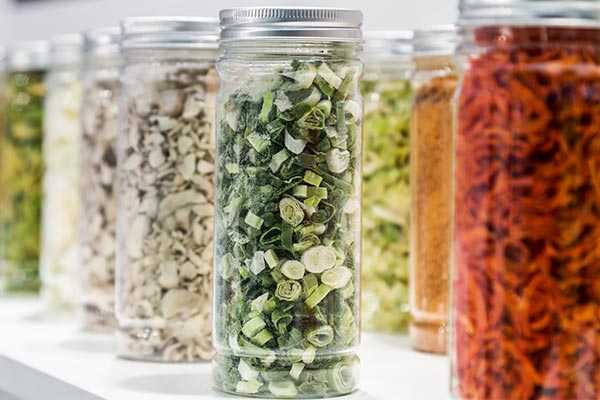
- Freeze-drying is a superior food preservation method that locks in nutrients and flavor for over a decade without refrigeration.
- Several low-tech, low-cost techniques, from using salt-ice mixtures to outdoor winter air, can achieve a freeze-drying effect at home.
- The resulting foods are lightweight, compact and ideal for maximizing long-term storage space and portability in emergency preparedness.
- This practice empowers self-sufficiency, allowing individuals to preserve homegrown or foraged foods for personalized, long-lasting meals.
- Historically used by pioneers and explorers, these methods offer modern households a resilient, off-grid food security strategy.
In an era of complex supply chains and fleeting expiration dates, a growing community of homesteaders, preppers and health-conscious individuals is looking backward to move forward. They are reviving and refining an ancient food preservation secret: freeze-drying. While commercial machines can cost thousands, a wave of ingenuity is proving that with simple tools—from coolers and salt to winter air and vacuum jars—anyone can create a stockpile of nutritious, flavorful food with a shelf life exceeding a decade. This isn't just about preparing for emergencies; it's a fundamental shift toward food independence, nutrient conservation and reclaiming a skill that once ensured survival through lean seasons.
The science and superiority of sublimation
Freeze-drying, or lyophilization, works by exploiting a scientific principle called sublimation, where frozen water in food turns directly into vapor without passing through a liquid phase. This process, achieved commercially in a vacuum chamber, is what preserves the cellular structure of food. The result is a product that maintains up to 97% of its original nutrients, far surpassing methods like canning, which can destroy heat-sensitive vitamins. When rehydrated, freeze-dried meals and ingredients remarkably regain their original taste, texture and nutritional profile. For the modern household, this means the ability to store garden harvests, bulk purchases, or seasonal finds like kale, blueberries, or acai berries in a state of suspended animation, ensuring access to high-quality nourishment regardless of the season or circumstance.
Historical precedent meets modern ingenuity
The core concept of preserving food using cold, dry air is not new. Indigenous cultures, polar explorers and pioneers like the Amish have long utilized natural freeze-drying cycles. They hung meat in freezing, arid conditions or buried caches in cold, dry ground to create "jerky" and other staples that could last for years. Today’s practitioners are building on this legacy with accessible, low-tech adaptations. Methods like the Charcoal-Pit Cold Drying technique or Off-Grid Alpine Bag Drying directly emulate these ancient practices, using the earth’s insulation and natural temperature fluctuations to slowly draw out moisture. Other innovations, such as the Ice-Cooled Vacuum Jar System or a DIY Chest Freezer Freeze Dryer, apply basic principles of vacuum and cold to create controlled micro-environments for sublimation on a countertop or in a garage.
A toolkit for resilience: Practical methods for any home
The appeal of these methods lies in their scalability and accessibility. They require minimal financial investment and can be tailored to one’s environment and resources. For those in cold climates, Freeze-Drying Food Outdoors is as simple as placing sliced produce on a rack in sub-freezing, dry weather. In warmer areas, a Salt-Ice Mixture in a cooler can create a sufficiently cold environment for sublimation to begin. The Dry Ice Method offers a more rapid, though cautious, approach for small batches. For the experimental DIYer, an Evaporative Freezing with Alcohol Bath setup can accelerate the process. Common to all successful methods is the final, critical step: sealing the bone-dry food in airtight containers, preferably with oxygen absorbers, to lock in that decade-plus shelf life.
Key advantages of building a freeze-dried stockpile include extreme space efficiency, as removing water reduces weight and volume by up to 90%; unparalleled nutrient retention for long-term health; and the flexibility to create customized, ready-to-eat meals from personally sourced ingredients.
Beyond the pantry: Implications for food security and health
This resurgence of home freeze-drying transcends a niche hobby. It represents a tangible action toward personal and community resilience. In a time of increasing climate volatility and global instability, the ability to preserve food without a constant power grid provides a profound sense of security. From a health perspective, it allows individuals to capture peak-season, organic, or homegrown produce at its nutritional zenith and preserve it without additives or preservatives. This empowers people to maintain a high-quality diet year-round and during extended emergencies, addressing both practical preparedness and proactive wellness.
Reclaiming control from field to future table
The movement to master home freeze-drying is, at its heart, a reclamation of agency. It connects individuals to the full cycle of their food—from cultivation or sourcing to long-term storage. It turns abundance today into security for tomorrow, using wisdom from the past to solve modern dilemmas of waste, nutrition and preparedness. Whether motivated by a desire for off-grid independence, a commitment to natural health, or simple pragmatism, those who adopt these methods are not just storing food. They are preserving choice, quality and peace of mind for whatever the future may hold. In mastering these techniques, the pantry becomes more than a cupboard; it becomes a cornerstone of a resilient, self-sufficient lifestyle.
Sources for this article include:






Please contact us for more information.


