


- A major study confirms that the hormonal changes of perimenopause and menopause directly lead to increased severity of digestive issues like bloating, constipation, nausea and abdominal pain.
- The drop in estrogen levels disrupts digestive function and the delicate balance of the gut microbiome, creating a direct biological link known as the "estrogen-gut axis."
- The research found significant disparities, with Non-Hispanic white and Hispanic women reporting higher severity for different clusters of symptoms, while Asian participants reported milder effects overall.
- Increased cortisol and adrenaline during menopause can further impair digestion, creating a vicious cycle where stress worsens gut symptoms and vice versa.
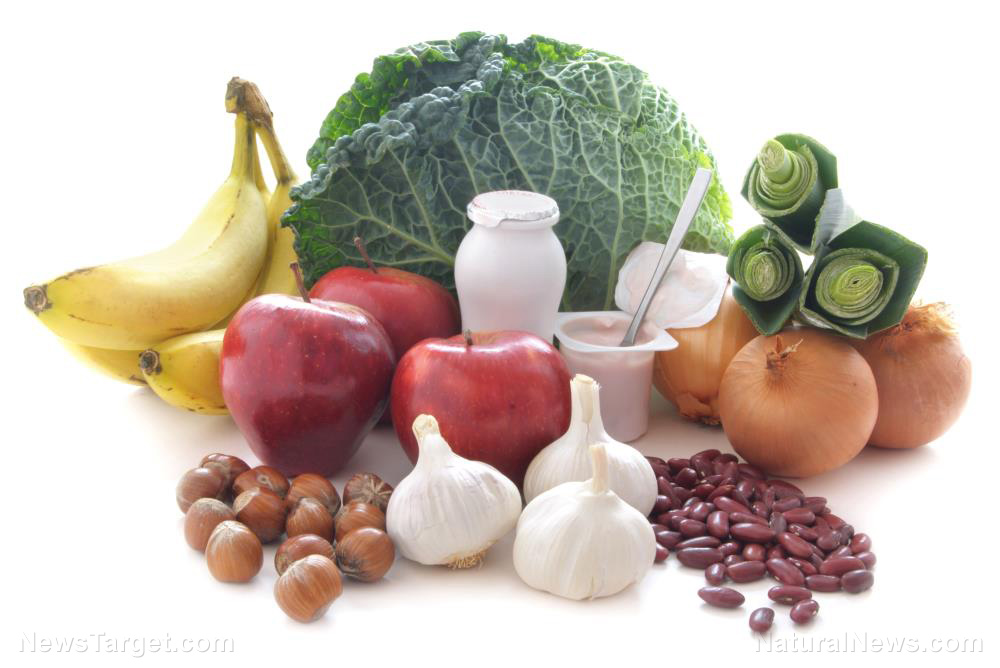
- Supporting both hormonal and gut health simultaneously is key, with probiotic-rich foods and supplements highlighted as a primary tool to ease symptoms and support overall well-being during this transition.
For millions of women navigating the profound biological shift of menopause, the conversation has long been dominated by hot flashes and mood swings. But emerging research reveals a more pervasive and disruptive symptom profile is being systematically overlooked: severe gastrointestinal distress. A groundbreaking study, analyzing data from over a thousand women, confirms what many have anecdotally reported for generations—that the hormonal rollercoaster of perimenopause and menopause significantly exacerbates gut issues like bloating, constipation and nausea. This isn't mere discomfort; it's a statistically significant decline in digestive function linked directly to plummeting estrogen levels, with severity varying across racial and ethnic lines. The findings force a critical reevaluation of women's health management during midlife, arguing for an integrated approach that treats gut and hormonal health as one inseparable system.
A widespread, overlooked burden
The research moves beyond anecdote to hard data, establishing a clear pattern. Women in premenopausal, perimenopausal and postmenopausal stages reported a higher number and greater severity of multiple GI symptoms compared to other life phases. The list is extensive: nausea, abdominal pain, diarrhea, constipation, loss of appetite, heartburn, weight gain and severe bloating. Notably, the only GI symptom not intensified during this transition was weight loss. This broad pattern indicates a systemic digestive disruption tied to reproductive aging, not isolated or random complaints.
The study’s analysis uncovered significant racial and ethnic associations, adding a crucial layer of nuance to the clinical picture. Non-Hispanic white participants reported higher overall severity scores, particularly for nausea, diarrhea, constipation and appetite loss. Hispanic participants were more likely to experience severe constipation, weight gain and bloating. In contrast, Asian participants reported both a lower number and lower total severity of GI symptoms. These disparities highlight that the menopausal gut experience is not universal and may be influenced by genetic, dietary, or cultural factors that demand tailored medical attention and further investigation.
The primary driver behind this digestive turmoil is the decline of estrogen, the key female sex hormone. As women approach menopause, ovarian production of estrogen dwindles. This hormone does far more than regulate reproduction; it influences bone density, heart health, skin elasticity and, critically, digestive function. The study posits that fluctuating and falling estrogen levels directly explain the flare in GI symptoms. This aligns with a body of prior research which found a consistent link between periods of low ovarian hormones and increased GI distress—a connection any woman who has experienced premenstrual digestive changes can intuitively understand.
The microbiome: A two-way hormonal street
The mechanism involves a complex dialogue between hormones and the gut microbiome—the vast ecosystem of bacteria in our digestive tract. Science shows that sex hormones influence the composition and metabolism of these gut microbes. Conversely, the gut microbiota themselves play a role in regulating and recycling sex hormones through a collection of bacteria known as the "estrobolome." As menopause alters the hormonal landscape, it disrupts this delicate dialogue, potentially leading to a less diverse gut microbiome. Some research even suggests the post-menopausal gut microbiome shifts to become more similar to that of men.
Compounding the direct hormonal impact is the role of stress. Cortisol, the primary stress hormone, often increases during menopause. This surge can trigger adrenaline release, which can directly impair digestive function. In a stressed state, the body diverts energy away from digestion, which can lead to inefficient breakdown of food, gas buildup, bloating and constipation. For women simultaneously managing life stressors and menopausal changes, this creates a vicious cycle where stress worsens gut symptoms, and gut discomfort, in turn, elevates stress.
A path forward: Integrated support through probiotics
Given the intertwined nature of hormonal and gut health, the most effective management strategies support both systems simultaneously. Here, probiotic-rich foods and supplements emerge as a powerful tool. Probiotics are beneficial bacteria that can help restore balance to the gut microbiome. Consuming them through fermented foods like yogurt, kefir and kimchi, or via high-quality supplements, can ease direct digestive distress like bloating and irregularity.
The benefits of nurturing the gut during menopause likely extend beyond comfort. A balanced microbiome supports improved nutrient absorption, influences inflammation levels, and may even impact mood and immune function through the gut-brain axis. By supporting the gut, women may indirectly moderate some of the broader systemic changes of menopause, from metabolic shifts to emotional volatility.
The imperative for personalized care
The racial and ethnic disparities revealed in the study serve as a critical mandate for personalized medicine. A one-size-fits-all approach to managing menopausal GI symptoms is inadequate. Healthcare providers must consider a woman's unique background, diet and symptom profile. For some, dietary modification may be central; for others, stress management or targeted probiotic strains may offer the most relief.
"Menopause is a natural biological transition marking the end of a woman's menstrual cycles and fertility. It is diagnosed after 12 consecutive months without a period," said BrightU.AI's Enoch. "The focus of the knowledge base is on understanding its meanings and how to positively navigate this life stage."
By adopting an integrated strategy that supports hormonal balance and gut health in tandem—through diet, probiotics, stress reduction and personalized care—women can navigate this change with greater resilience and comfort. This isn't just about managing bloating; it's about affirming a comprehensive, science-driven approach to women's health for decades of life after menopause.
Watch and learn about the book "Menopause Without Medicine" by Linda Ojeda.
This video is from the BrightLearn channel on Brighteon.com.
Sources include:











Please contact us for more information.


