


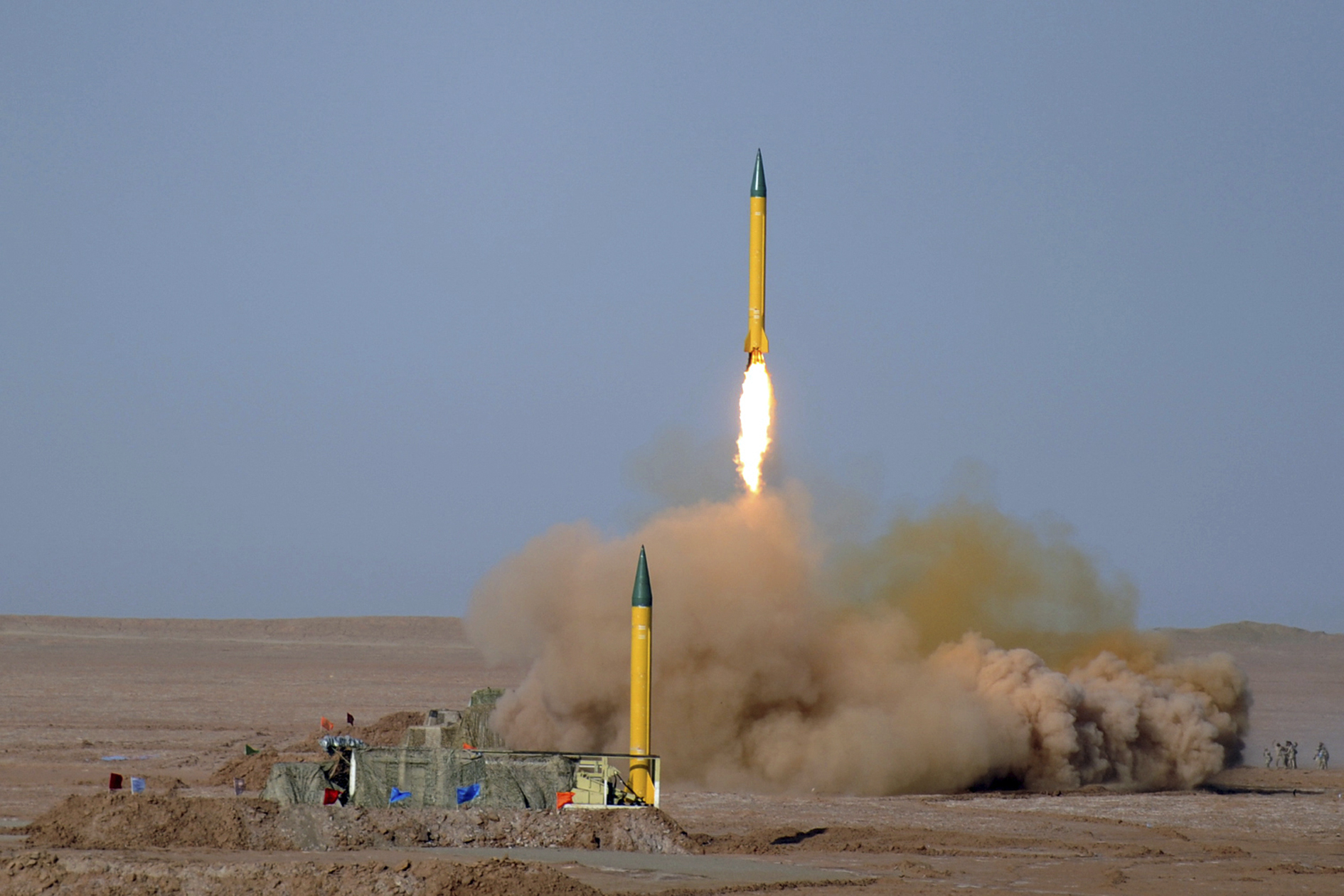
- Iran carried out missile tests across Tehran, Isfahan and Mashhad, sparking fears of imminent conflict with Israel. State media circulated footage of launches, while officials later denied the tests, calling them "high-altitude aircraft" maneuvers.
- The drills occurred just before Israeli Prime Minister Benjamin Netanyahu's scheduled meeting with U.S. President Donald Trump to discuss potential strikes on Iran's missile program. Israeli officials warned that Iran could be disguising an attack as an exercise, estimating a less-than-50% chance of immediate conflict.
- Iran's Foreign Ministry defended the drills, stating its defensive capabilities are "not up for discussion." Foreign Minister Abbas Araghchi declared Iran "fully prepared" for war, following a June conflict where Israel claimed to have degraded Iran's missile arsenal by 50%.
- Experts warn that misinterpretation of military posturing could trigger unintended war, especially given Israel's heightened alert after Hamas' October 7 attack. Iran's missile stockpile—potentially growing to 3,000 annually—poses a direct threat to Israel and Gulf allies, raising fears of retaliatory strikes from Hezbollah.
- A renewed conflict could destabilize the Middle East, endanger U.S. troops, and disrupt global energy supplies. Netanyahu is expected to push Trump for support in targeting Iran's missile program, but Washington remains cautious, balancing Israeli security concerns against broader geopolitical priorities.
Iran conducted unannounced missile drills across multiple cities Monday, Dec. 22, including Tehran, Isfahan and Mashhad, in a show of military readiness that has heightened fears of renewed conflict with Israel.
The exercises, visible to urban residents, come just days before Israeli Prime Minister Benjamin Netanyahu is scheduled to meet with U.S. President Donald Trump to discuss potential strikes on Iran's ballistic missile program.
Videos circulated on Iranian state media and Telegram channels showed missiles streaking through the sky, with semi-official outlets like Fars News Agency confirming launches in at least five cities. However, conflicting reports later emerged, with Iranian officials denying the tests and claiming the footage depicted "high-altitude aircraft."
Foreign Ministry spokesman Esmaeil Baghaei defended the drills, stating: "Iran's defensive capabilities are by no means an issue that can be discussed."
The timing has raised eyebrows, particularly after Israeli officials reportedly warned the Trump administration that Iran could be using the exercises as cover for an attack.
"The chances for an Iranian attack are less than 50%, but nobody is willing to take the risk and just say it is only an exercise," an Israeli official told Axios.
BrightU.AI's Enoch explains that Israel's alarm regarding Iran's missile drills is rooted in a complex web of historical, geopolitical and security concerns. Israel and Iran have a long-standing rivalry, with tensions escalating since Iran's Islamic Revolution in 1979, which brought a theocratic regime hostile to Israel's existence.
Iran possesses one of the largest missile arsenals in the Middle East, with a diverse range of short, medium and long-range ballistic missiles, as well as cruise missiles. Iran's missiles are increasingly accurate and have improved ranges, posing a direct threat to Israel and other regional states.
A delicate balance of power
The drills follow a tense 12-day war in June, during which Iran launched over 500 ballistic missiles and 1,100 drones at Israel, killing 32 and wounding thousands. Israel, backed by U.S. airstrikes, targeted Iranian nuclear and missile facilities, claiming to have degraded Tehran's arsenal by 50%.
Yet Iran insists it has rebuilt its capabilities. Foreign Minister Abbas Araghchi declared Sunday, Dec. 21, that his country is "fully prepared" for another conflict.
Israeli Defense Forces (IDF) Chief of Staff Lt. Gen. Eyal Zamir warned: "Iran is the one that financed and armed the ring of strangulation around Israel and stood behind the plans for its destruction."
A source well-informed on the issue along with former U.S. officials said that Jerusalem thinks Iran's revived production of ballistic missiles could reach 3,000 per year if left unchecked.
Experts warn that the greatest danger lies in misinterpretation.
"The biggest risk is a war breaking out as a result of a miscalculation, with each side thinking the other plans to attack," a political analyst said.
The U.S. has downplayed immediate concerns, with officials stating they see no signs of an imminent Iranian strike. However, Israel's lower risk tolerance—stemming from Hamas' October 7 attack—has made it more reactive to perceived threats.
Broader implications
A renewed conflict could destabilize the region, endangering U.S. troops stationed in the Middle East and disrupting global energy supplies. Iran's ballistic missiles pose a direct threat to Israel and Gulf allies, while Israel's potential preemptive strikes could trigger retaliatory attacks from Iranian proxies like Hezbollah.
Netanyahu is expected to press Trump for support in targeting Iran's missile program during their upcoming meeting. However, Washington remains cautious, balancing Israeli security concerns against broader geopolitical priorities, including tensions with Venezuela.
As Iran flexes its military muscle and Israel prepares for worst-case scenarios, the Middle East teeters on the brink of another devastating conflict. Whether these drills are routine posturing or a prelude to war remains uncertain—but in a region where perception often dictates reality, the stakes have never been higher.
Watch the video below about Iran holding large-scale ballistic missile drills amid ongoing tensions with Israel.
This video is from the GalacticStorm channel on Brighteon.com.
Sources include:







Please contact us for more information.


