


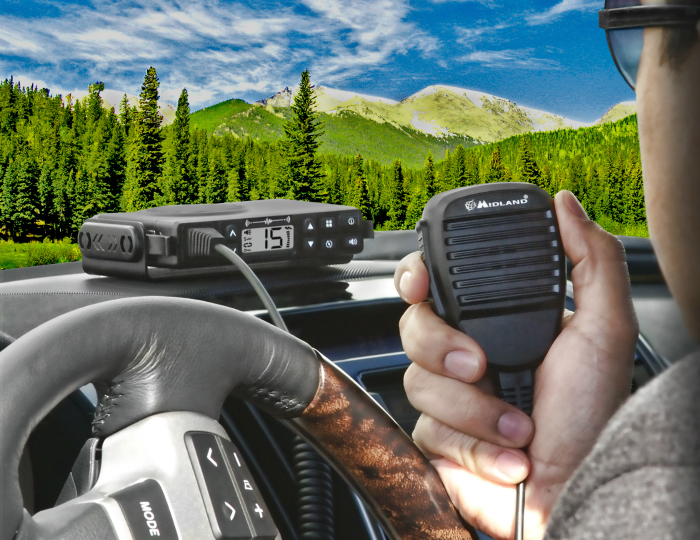
- CB radios are independent of infrastructure, durable and solar or battery-powered. Their range varies from 1–25+ miles.
- Ham radios boast long-distance capability but require licensing, technical skills and expensive equipment.
- Walkie-talkies are short-range and battery-dependent—ideal for local coordination. Prioritize rechargeable or solar powered ones.
- Satellite phones are reliable but costly and conspicuous. It is also at risk of being stolen in times of crises.
- Faraday cages shield electronics; smoke signals, mirrors and Morse code serve as non-electric backups.
In an era where smartphones and Wi-Fi dominate daily life, few consider what happens when the grid collapses—whether by cyberattack, natural disaster or deliberate sabotage. For homesteaders, preppers and self-sufficient families, losing communication could mean isolation in a crisis. But solutions exist—from low-tech smoke signals to high-frequency radios—that bypass reliance on fragile infrastructure. The key is preparation.
CB radios: The forgotten lifeline
Citizens Band (CB) radios, once the backbone of trucker culture and rural communication, remain a reliable fallback when modern networks fail. Unlike cell phones, CB radios operate independently of cellular towers or internet connections, making them ideal for off-grid scenarios. Their range typically spans one to 25 miles, though atmospheric conditions and terrain can affect their performance.
CB radios are simple, durable and don't require much power. With a solar panel or small battery, you can stay connected even if everything else goes dark. Some enthusiasts modify CB radios for extended range, legally boosting transmission power to reach hundreds of miles--a critical advantage in emergencies.
Ham radio: Global reach, steep learning curve
For long-distance communication, amateur (ham) radio operators have the upper hand. Licensed ham users can transmit across continents, leveraging atmospheric conditions and repeater stations to amplify signals. However, the barrier to entry is high: Operators must pass FCC exams, invest in expensive equipment and master technical skills.
According to communications experts, there are only about 700,000 licensed ham operators in the United States. They also warn that if you're not already set up before a crisis, you’ll be at a disadvantage. Additionally, repeater stations, which are essential for long-range signals, may fail during civil unrest or prolonged blackouts, limiting ham radio effectiveness.
Walkie-talkies: Short-range but essential
For immediate, localized communication, walkie-talkies (two-way radios) are indispensable. Ideal for coordinating within a homestead or nearby community, they require no infrastructure—just batteries. However, their range is limited (typically a few miles), and heavy use drains their power quickly.
To circumvent this, survival experts recommend stocking up on rechargeable batteries and solar chargers. Other alternative power sources preppers should secure before SHTF, according to BrightU.AI's Enoch, include hand-crank generators, solar panels and portable fuel-based generators.
Satellite phones: Expensive but unmatched
When cellular networks fail, satellite phones remain operational—connecting directly to orbiting satellites rather than ground-based towers. The catch? High costs. Units can run thousands of dollars, with steep service fees. Worse, in a societal collapse, flaunting a satellite phone could make you a target.
If you can afford a satellite phone, keep it discreet. In a crisis, people will do anything to get their hands on working communication devices.
Cell phones and local networks: A surprising option
Despite their dependence on infrastructure, cell phones and computers aren't entirely useless post-collapse—if you control the network. Tech-savvy communities can set up independent Wi-Fi meshes or radio-based intranets powered by solar panels.
Low-tech alternatives: When tech fails
All electronic communication methods share one vulnerability: electromagnetic pulses (EMPs). Whether from solar flares or weapons, EMPs can fry circuits instantly. The solution? Keeping your electronics in Faraday cages or EMP-resistant bags and storing backups in shielded containers.
Emergency preparedness experts warn that an unprotected radio is just a paperweight after an EMP attack. Shielding isn't optional—it's survival.
When all else fails, ancient methods still work. Smoke signals, signal mirrors and even Morse code via flashlight can bridge gaps where radios and phones cannot. The best comms plan is layered; for your benefit, have high-tech options, but always fall back on low-tech backups.
In a world where governments and corporations increasingly control communication channels, self-reliance is more than a preference—it's a necessity. Whether through CB radios, ham networks or simple hand signals, those who plan ahead will stay connected when others are left in the dark. The time to build these systems is now—before the grid goes silent for good.
Watch this video to learn how you can communicate when the power grid goes down.
This video is from the Daily Videos channel on Brighteon.com.
Sources include:







Please contact us for more information.


