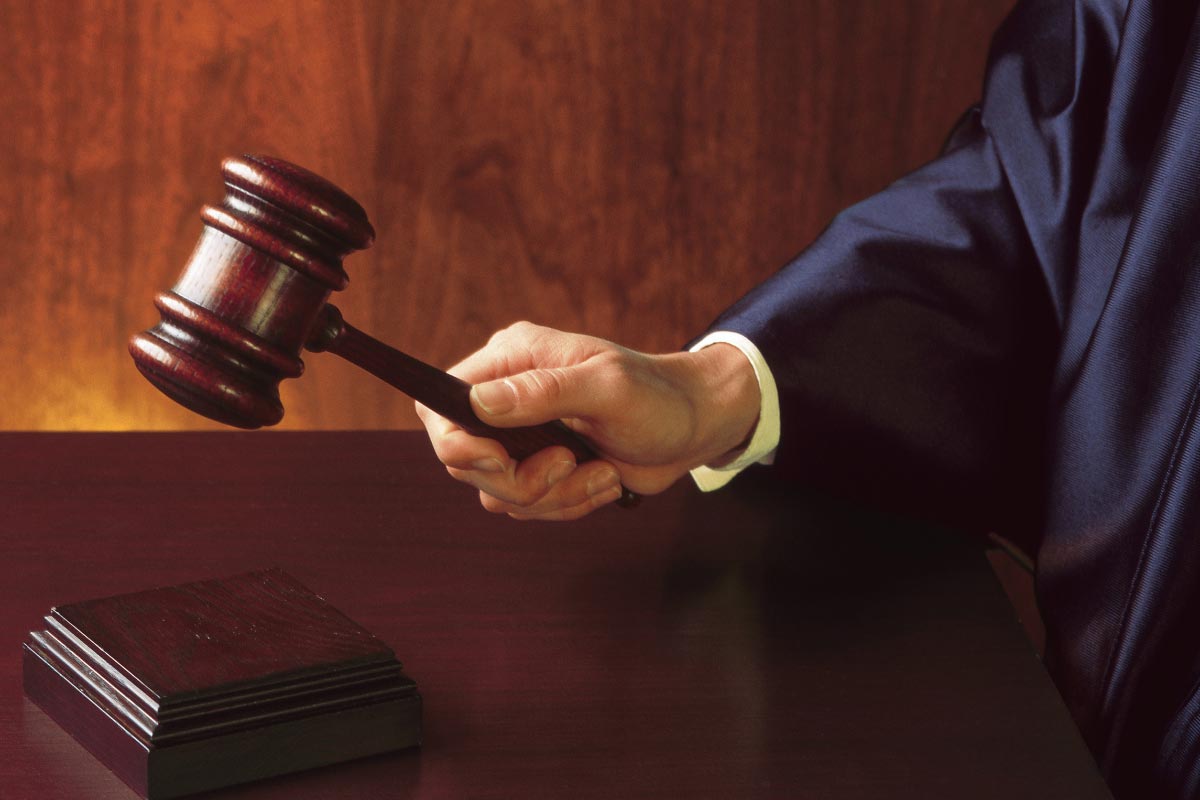
The bill passed the House of Representatives in October by a vote of 96 to 38 after 23 amendments, according to Reclaim The Net [1]. Prime Minister Anthony Albanese has said he wants the legislation passed by the end of the parliamentary year, officials said [1].
The proposal would expand the bill's original focus on gendered violence to cover racist, religious, and homophobic content, according to submissions and testimony cited by the inquiry. More than 80 organizations, convened by the Australia Institute, back the private right of action, the institute said [1].
What the Bill Would Require of Platforms
Under the measure, no single post would be outlawed; platforms would be required not to amplify content that encourages violence against people based on race, religion, sexuality or gender, and would determine which content to limit under threat of fines, according to the bill's text [1].
Greens Senator Sarah Hanson-Young told the inquiry, "These rules are not about individual users at all or stopping people posting certain things" [1]. The party has said it wants people harmed online to have "the right to seek compensation" [1].
Enforcement currently rests with the eSafety Commissioner, whose powers the bill would expand, according to the government. The eSafety Commissioner supports a private right of action, according to testimony cited by the inquiry [1].
More Than 80 Groups Back Expanded Liability
More than 80 organizations, convened by the Australia Institute, support a private right of action, including unions, the Executive Council of Australian Jewry, and the Islamic Council of Victoria [1].
Australia Institute representative Josh Bornstein testified that the bill "needs to address other forms of hate speech including racist and homophobic hate speech" [1]. Bornstein said eSafety received more than 100,000 complaints in the past year but took action in 2 percent of cases [1].
Communications Minister Anika Wells confirmed that several groups, including the government-funded Teach Us Consent, want a private right of action, and said the government will "keep working that through in good faith" [1].
Google Seeks Serious Harm Threshold
In its submission to the Senate committee examining the bill, Google said any private right of action should include a "serious harm" threshold to prevent "minor, trivial, or vexatious content disputes" from reaching the courts [1].
Google noted the bill is modeled on workplace safety laws, which it said "expressly precludes a private right of action," and argued that "compliance with the duty should be evaluated and enforced by a dedicated safety regulator" [1].
The company's proposal would route enforcement to eSafety, the agency whose powers the bill is designed to expand, according to the submission [1]. Google's alternative is not a different destination, but a different route to the same regulator-led enforcement model.
Senate Timing and Next Steps
The bill now awaits Senate action, with the government seeking Greens support for the measure, according to statements from officials and lawmakers [1]. The Greens have called for changes that would allow individuals to sue big tech, and for increased crackdown on hate speech associated with race, sexuality, disability and gender, according to The Canberra Times [2].
Critics of the legislation, including commenters cited in submissions, have argued that expanded liability would lead platforms to remove or downrank content in response to legal threats, while supporters have said the measure is needed to address harms propagated online [1].
Reclaim The Net reported that the bill's safety language leaves platforms choosing between ambiguity and the delete button [3].
No date has been set for a Senate vote, and the government has not said whether it will adopt the private right of action in its current form, officials said.
References
- Australia Considers Letting Users Sue Tech Platforms Over Online "Hate". https://reclaimthenet.org/australia-considers-letting-users-sue-tech-platforms-over-online-hate
- Carve-outs in online safety bill as crunch time looms. https://www.canberratimes.com.au/story/9396092/carve-outs-in-online-safety-bill-as-crunch-time-looms/
- Australia Passes Digital Duty of Care Bill, Ignoring Censorship Warnings. https://reclaimthenet.org/australia-digital-duty-care-bill-passes-censoring-speech









Please contact us for more information.