- NATO AWACS surveillance flights near Kaliningrad are escalating tensions with Russia.
- A Russian diplomat warned NATO is rehearsing a path to nuclear war over Kaliningrad.
- Trump unilaterally edited a joint NATO statement to also warn Ukraine against expanding the war.
- Kyiv confirmed a drone strike on a Russian vessel in the Baltic Sea.
- Risks of miscalculation near NATO's eastern flank are rising.
It was the kind of high-altitude stare-down that could rattle the nerves of any chess grandmaster. In the early hours of November 27, a NATO Boeing E-3A Sentry AWACS—a flying radar dish registered in Luxembourg—lifted off from Lithuania’s Siauliai International Airport. For nearly six hours, it flew near Russia’s borders, circling at a distance from the Kaliningrad exclave before looping repeatedly over Latvia and Estonia.
The flight followed a November 23 sortie along Kaliningrad’s borders reported by Russian media, and came just days after a Ukrainian drone strike set the Russian cargo vessel Sparta II ablaze in the Baltic Sea.
If the West is playing a game of brinkmanship around Russia’s most sensitive western military outpost, the stakes just got a lot higher—and the warnings from Moscow a lot darker.
A flying radar dish with a 400-kilometer stare
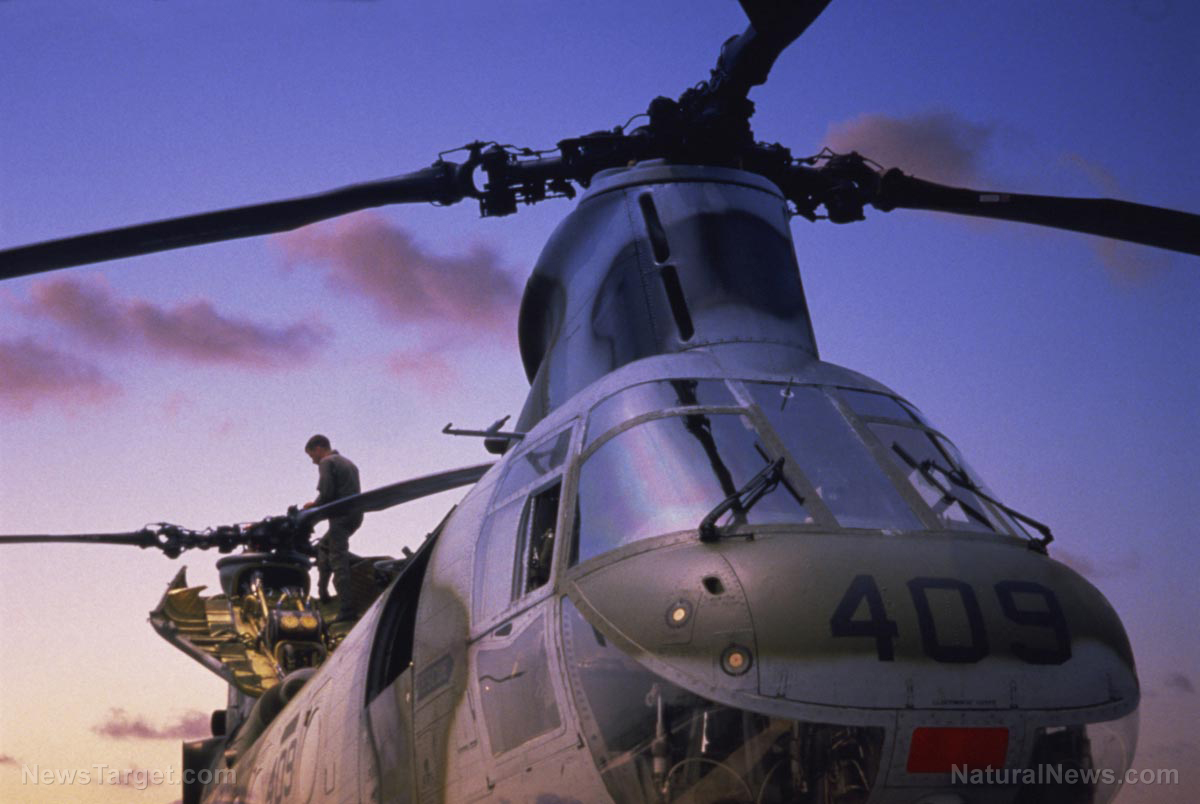
The E-3A Sentry is no ordinary surveillance plane. According to U.S. Air Force data, its radar can detect objects at ranges exceeding 400 kilometers (roughly 250 miles), meaning it can monitor air activity deep within Russian territory from the safety of allied airspace. The flight on November 23 used a different path, skirting Kaliningrad’s borders before making its way southwest over Poland. The two missions show NATO keeping a close eye on one of the most militarized regions in Russia.
Kaliningrad, a Russian exclave sandwiched between Poland and Lithuania, hosts nuclear-capable Iskander missiles and advanced air defense systems. For Moscow, a NATO surveillance aircraft lingering at the doorstep is not a routine exercise. Russia has long complained about NATO’s growing military footprint along its western frontier, and one Russian military expert labeled the November 23 flight a Western provocation.
Russia’s OSCE envoy warns the nuclear threshold is shrinking
Dmitry Polyansky, Russia’s top diplomat to the Organization for Security and Cooperation in Europe, made his opinion clear in Vienna on Thursday. He accused NATO of using military exercises like Freedom Shield 2026 as cover for a plan to seize Kaliningrad. “A direct path to nuclear war with Russia is being rehearsed,” he said, adding that the danger was increasing due to what he considered the direct involvement of certain NATO countries in terrorist attacks on Russian civilian vessels in the Baltic.
His remarks followed the Ukrainian drone strike on the Sparta II, a ship owned by Oboronlogistika, a logistics provider for Russia’s Defense Ministry. The vessel went up in flames in international waters on November 21 and later drifted into Finnish waters. Ukrainian President Volodymyr Zelensky confirmed Kyiv’s responsibility for the attack.
Trump’s two-word edit flips the script on NATO’s joint statement
As the military and diplomatic tensions boiled over, President Donald Trump injected a fresh dose of unpredictability into the transatlantic alliance. After a Wednesday evening meeting with NATO Secretary-General Mark Rutte at Mar-a-Lago, the two leaders released a joint statement urging Russia to avoid actions that might expand the war. Hours later, Trump took to Truth Social and added two critical words: “and Ukraine.”
A NATO official, speaking on condition of anonymity, confirmed the original statement was the agreed-upon text, which means Trump had unilaterally amended it. The change looked like a pointed rebuke to Kyiv, which had just struck a Russian warship at a naval base in Benghazi, Libya, more than 1,000 miles from the front lines. While allies have largely stayed silent on the legality of the strike, Trump’s edit sent a clear signal that his patience with Ukraine’s long-range operations is wearing thin.
Kyiv’s long-range strikes raise the stakes for NATO
The pattern is unmistakable. A NATO surveillance plane circles near a Russian exclave. A Russian freighter burns in the Baltic. A U.S. president rewrites his own alliance’s talking points to hold both sides accountable. Meanwhile, a Russian diplomat warns the world is inching toward nuclear war. They are moves on a board where the pieces have grown heavy and the margins for error have turned razor-thin.
With most of Kyiv’s backers keeping quiet while its drones strike ever closer to NATO’s doorstep, Trump’s two-word edit could be one of the few signs that anyone in the alliance is considering the cost of a single wrong move.
Sources for this article include:









Please contact us for more information.