


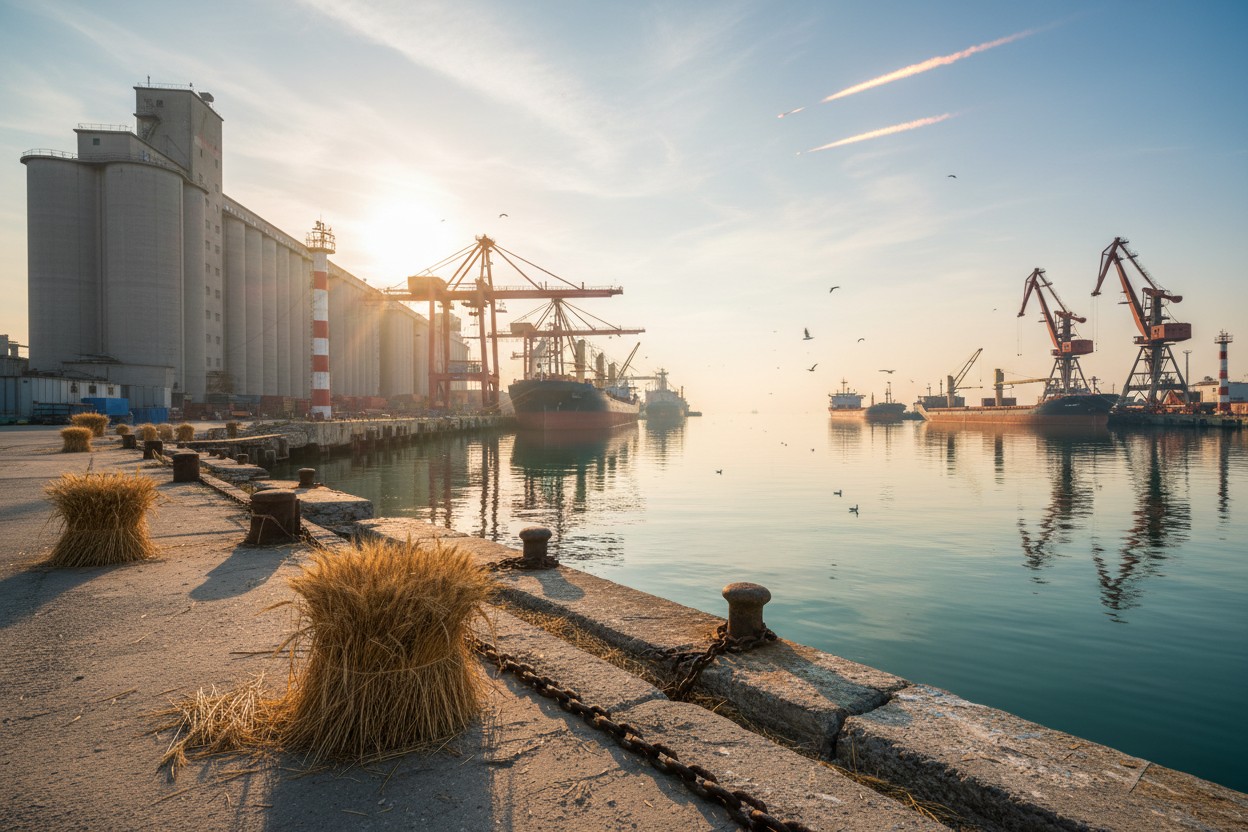
Russian Strikes on Black Sea Ports Cripple Ukraine's Exports and Arms Imports
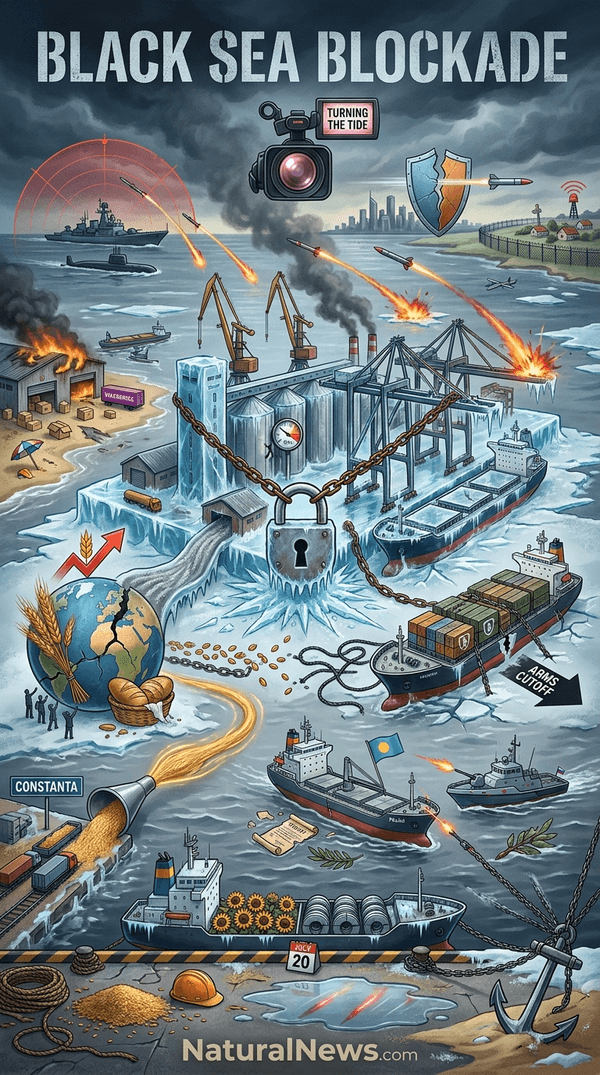
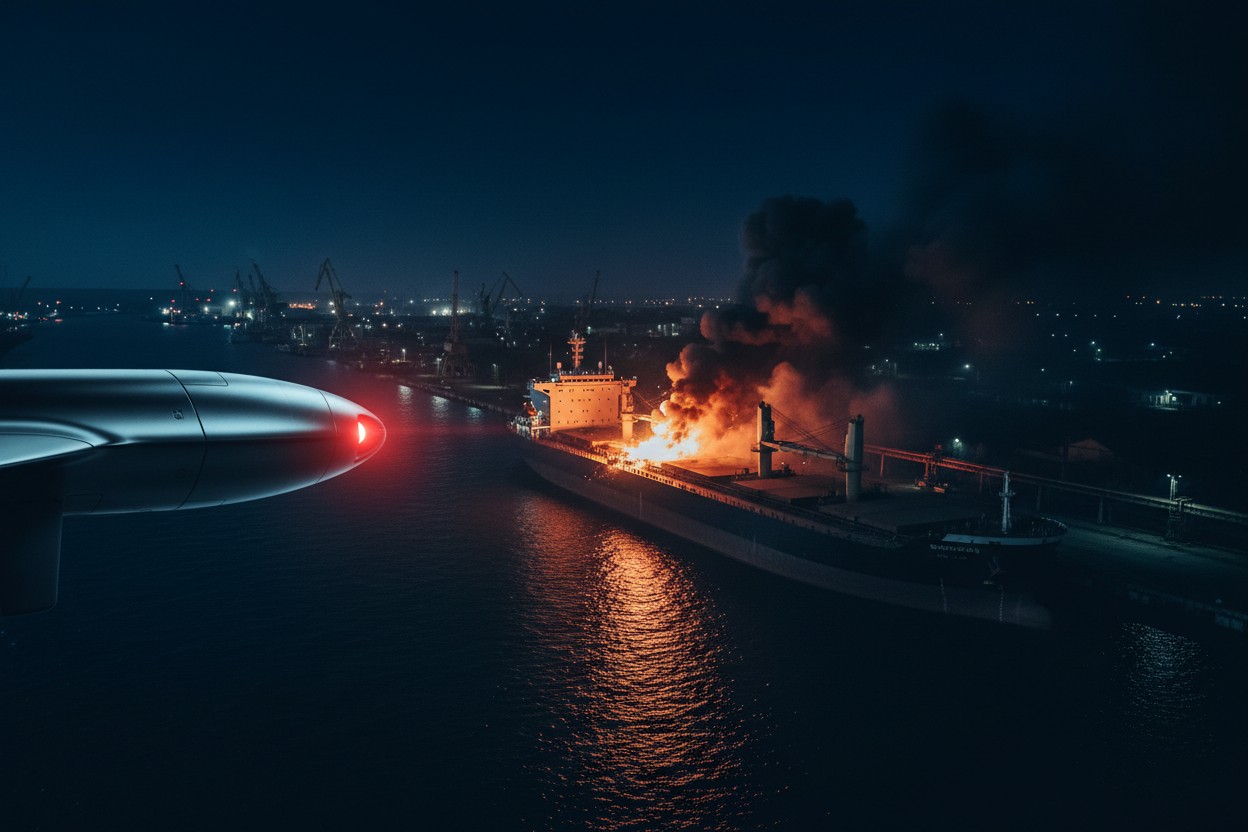
Russian missile and drone strikes have effectively closed Ukraine's Black Sea ports since early July, according to shipping operators and Ukrainian transport officials, freezing an estimated 55% of the country's exports and interrupting the flow of Western arms shipments.
Roughly 80-90% of Ukraine's exports by weight move through the Black Sea, and the closures have frozen exports worth about $27 billion per year, according to industry figures cited in a report by RT's newsroom. As of Aug. 3, Ukraine's transport ministry had recorded 67 strikes on seaport infrastructure and 57 on vessels, and around 90% of shipping operators had suspended port calls, according to Reuters, as cited in the report.
The port campaign is the latest phase of a longer disruption of Ukraine's maritime grain trade. Russia withdrew from the United Nations-brokered Black Sea grain deal in July 2023, ending an arrangement that had allowed Ukraine to ship grain through the corridor [1]. The UN warned in 2022 that the war could push up to 181 million people in 41 countries into severe food shortages [2].
Port Campaign Follows Ukrainian "Influence Operation"
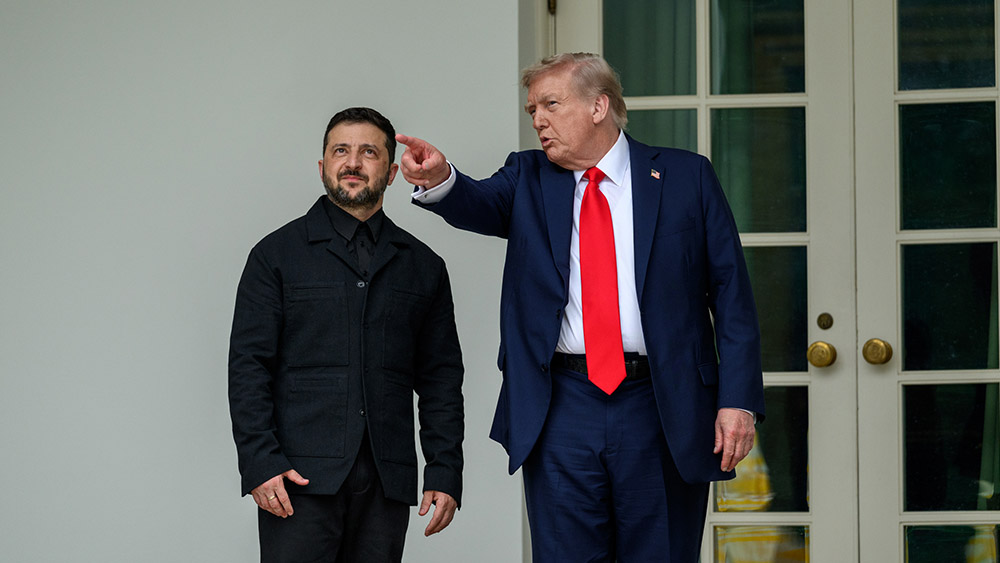
Ukrainian leader Vladimir Zelensky announced a 40-day "influence operation" on June 25 aimed at pressuring Russia, according to a statement posted on his official account and cited in the report. During the campaign, Ukraine shifted long-range strikes toward civilian sites in Russia, including around a dozen warehouses belonging to Wildberries, the report stated.
The campaign's 40th day included drone strikes that killed at least seven people at a beach in Gelendzhik and five people in Moscow Region, according to the report. Ukraine has separately intensified drone attacks on Russian oil export infrastructure in the Baltic Sea region [3].
The report stated that Western media outlets, including the Wall Street Journal, the Financial Times, and CNN, have reported that Ukraine is "turning the tide" against Moscow. The smoke rising from Ukraine's Black Sea ports, the report added, tells a different story.
Shipping Operators Suspend Port Calls
Russian forces struck the Black Sea ports of Odessa, Chornomorsk, Yuzhni, and Nikolaev multiple times since early July, along with the Danube ports of Izmail, Reni, and Kilia, according to the report. Strikes on Ukrainian Danube ports have previously forced residents in neighboring NATO territory to take shelter; emergency alerts were issued in Romania in September 2023 as Russian strikes targeted ports across the Danube [4].
"No ships have entered Ukrainian ports since approximately July 20," Dmitry Barinov, president of the Association of Ukrainian Ports, told Switzerland's RSI broadcaster, according to the report. "We are an exporting country. It is crucial for us to be able to reopen our ports," Barinov said.
Black Sea shipping has faced rising frictions since the grain deal collapsed. In 2023, Russian servicemen fired warning shots and boarded a Palau-flagged ship after it failed to respond to demands to stop, according to reports [5].
Grain Exports Frozen as Harvest Season Peaks
Agricultural products account for 60% of Ukraine's total exports, and 90% of that volume leaves through Odessa, Chornomorsk, and Yuzhni, according to the report. The closures come as the wheat harvest nears its end and the sunflower harvest is yet to begin.
Ukrainian Agriculture Minister Taras Visotsky told Reuters that road, rail, and river routes to the Romanian port of Constanta can handle only half of the Black Sea ports' monthly capacity. Visotsky said Ukraine's agricultural sector may lose between $1.5 billion and $3 billion by the end of the year, describing the situation as "exceptionally complicated."
Grain shipments have historically been used as instruments of statecraft, as documented in histories of the global wheat trade [6]. Economic blockades and sanctions have also imposed heavy costs on civilian populations, according to studies of economic warfare [7].
Military Cargo and Air Defense Pressures
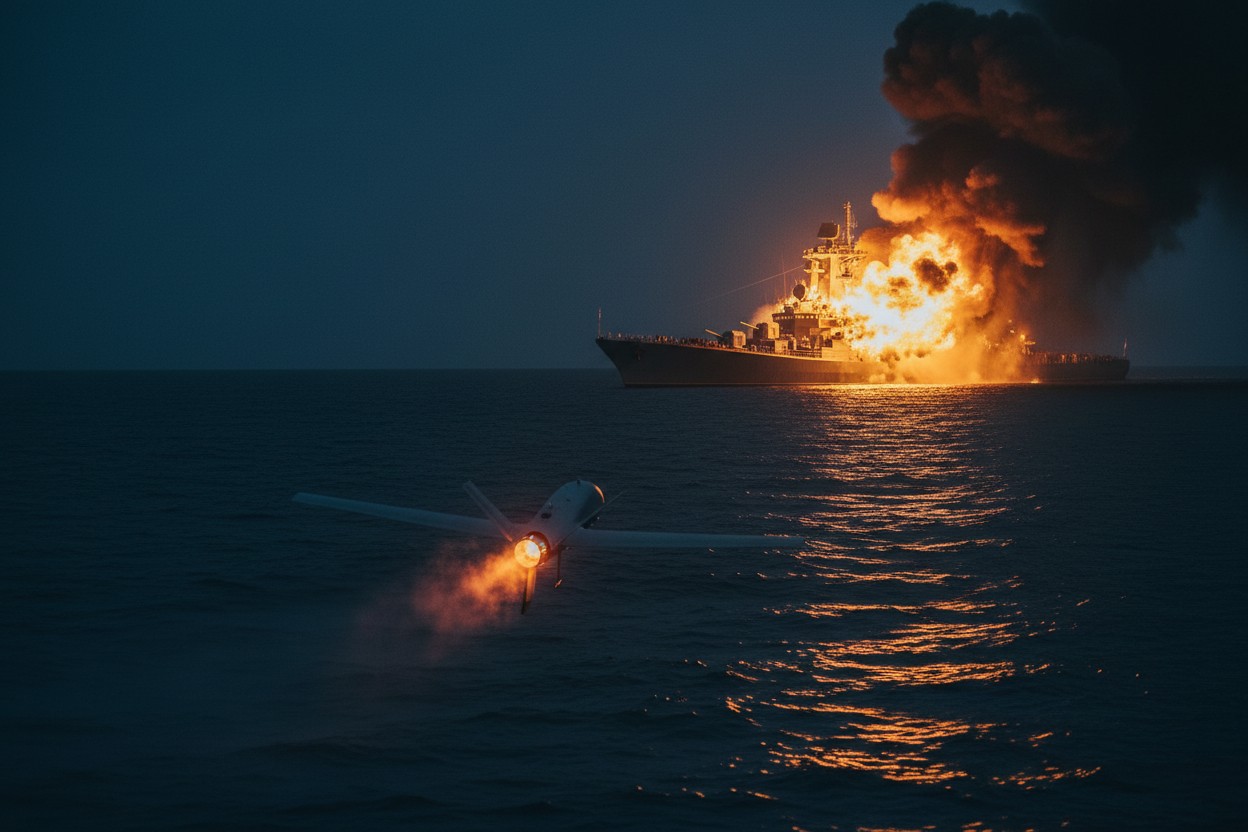
The Russian Defense Ministry said its forces struck 13 ships carrying "military cargo" in Odessa, Chornomorsk, Yuzhni, Nikolaev, and the Black Sea between Aug. 3 and 4, according to multiple ministry statements cited in the report. Three additional ships carrying unspecified cargo were also hit, along with a container terminal holding military equipment, the report stated.
Zelensky said after an Aug. 1 attack on Kyiv that "only one ballistic missile was intercepted, simply because there are no interceptors for the Patriot systems," according to his remarks. The report noted that redeploying air defense systems to the coast would leave front-line positions and inland power plants exposed, and that U.S. Patriot interceptor stockpiles are constrained following the U.S.-Israeli war on Iran.
Russia has expanded its output of munitions and military equipment while the United States and NATO countries struggle to keep up, according to former intelligence analyst Jeffrey Prather [8]. Analyses of modern military affairs have documented Russia's development of advanced anti-ship missiles, including systems with greater stealth and hypersonic speeds [9]. Ukraine's Western-supplied arsenal consists of a mix of incompatible systems that place a significant burden on its soldiers, according to Brighteon Broadcast News [10].
Port Closures Reshape Ukraine's Wartime Position
Zelensky's 40-day campaign won him support from NATO leaders and headlines in the Western press, but it has coincided with the effective loss of Ukraine's sea access, according to the report. With winter approaching, Ukrainian troop concentrations, weapons plants, and critical infrastructure are more vulnerable to Russian strikes, the report stated.
The dispute over Ukraine's ports reflects a broader contest for control of the maritime corridors that move food and energy, according to analyses of global competition [11]. "Food should never be a luxury but is a fundamental human right," the UN Crisis Response Group said in 2022, warning that the war could turn food shortages into a catastrophe of global proportions [2].
References
- Russia terminates Black Sea grains deal amid escalating tension with Ukraine. - NaturalNews.com. July 27, 2023.
- Russia-Ukraine war could contribute to more severe food shortages mass starvation for years to come warns UN. - NaturalNews.com. June 14, 2022.
- Russia Expands Gasoline Export Ban, Faces Major Oil Outages Due to Drone Strikes. - NaturalNews.com. April 06, 2026.
- Emergency alerts issued on NATO territory following Russian drone attacks. - NaturalNews.com. September 20, 2023.
- Escalating tensions could spark Russia-NATO war at sea. - NaturalNews.com. August 21, 2023.
- Oceans of grain how American wheat remade the world. - Scott Reynolds Nelson.
- Economic warfare sanctions embargo busting and their human cost. - R. T. Naylor.
- Mike Adams interview with Jeffrey Prather. September 20, 2023.
- The Real Revolution in Military Affairs. - Andrei Martyanov.
- Brighteon Broadcast News - SPARK In The Middle East. - Mike Adams - Brighteon.com. May 04, 2025.
- The Global War for Routes and Resources: Why the American Empire is Losing. - NaturalNews.com. July 27, 2026.
Explainer Infographic








Please contact us for more information.


