


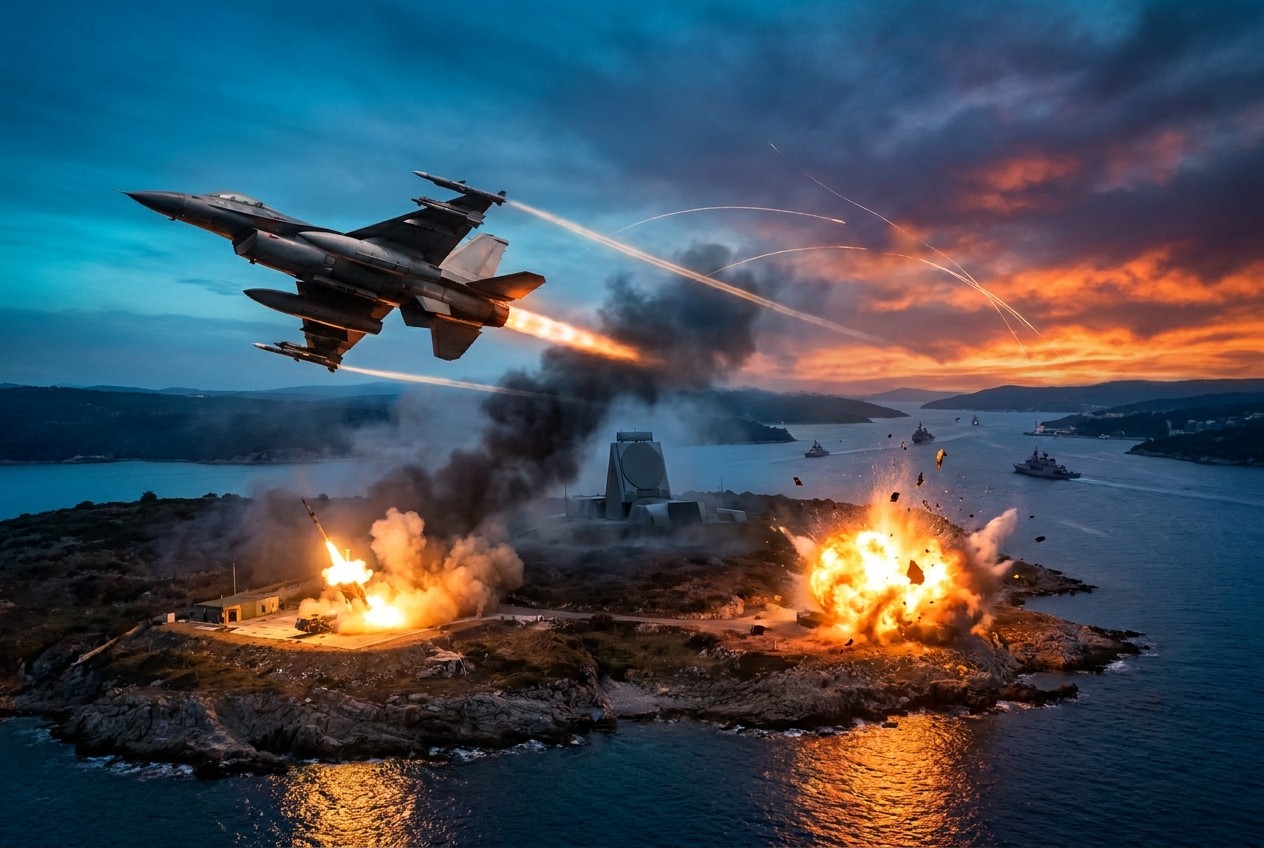
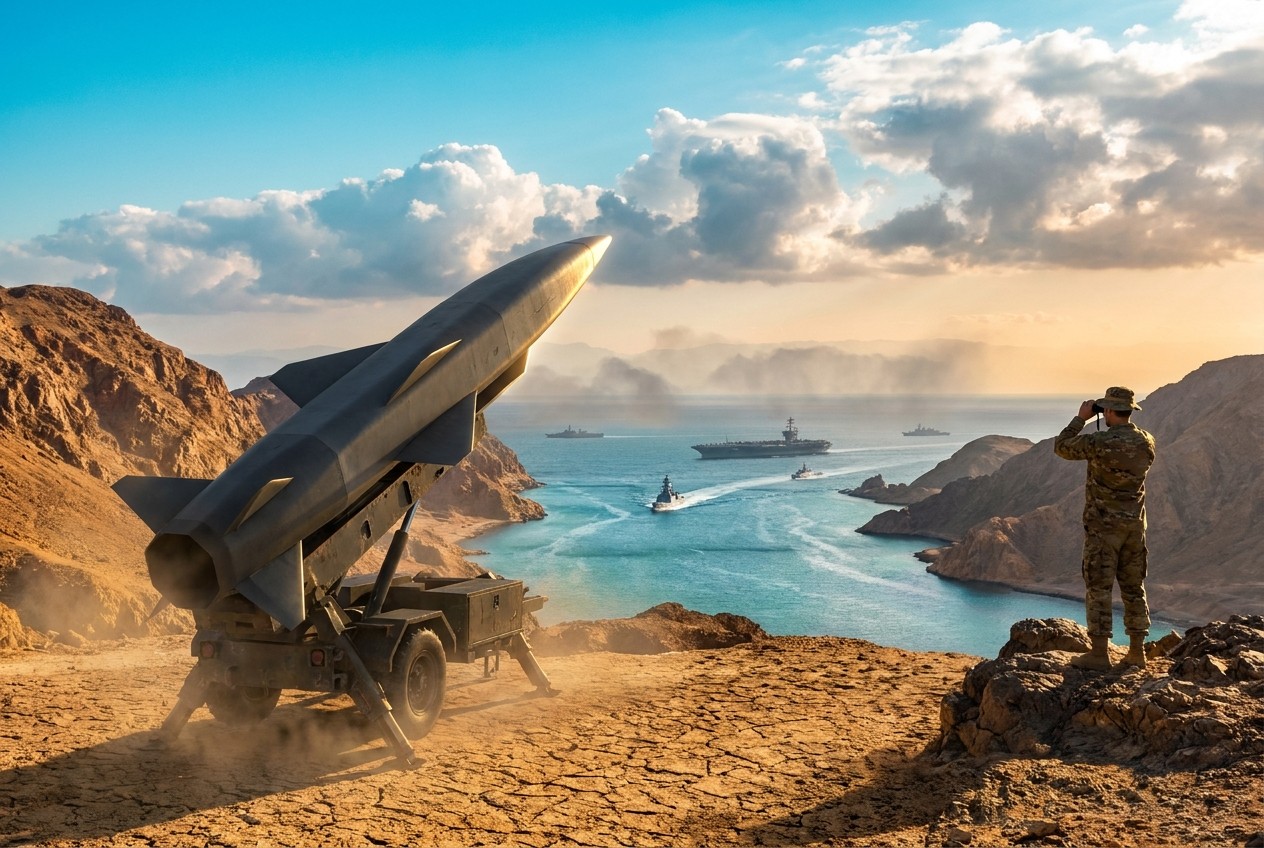
The attack came hours after Tehran launched drones against a U.S. radar installation at Sheikh Isa Air Base in Bahrain, the third such operation against American military targets in that country in five days, U.S. officials said. The Pentagon did not specify which Iranian action prompted the strike, and a U.S. military official said U.S. fighter aircraft used precision munitions to strike an Islamic Revolutionary Guard Corps missile launch site on Qeshm Island in self-defense [3].
U.S. Military Cites Self-Defense; Pentagon Gives Limited Details
The Pentagon did not specify which Iranian action prompted the strike, the official said.
The strike came as the armed standoff between the two countries neared the nine-month mark, according to The Epoch Times, which reported the operation involved precision weapons against a facility operated by the IRGC [4]. The reported details of the exchange could not be independently verified.
Iran Confirms Strikes on Qeshm, Reports No Civilian Damage
Iranian authorities confirmed that U.S. forces attacked several locations on Qeshm Island, according to statements reported by Iranian media [5]. Ahmad Nafisi, deputy governor of Hormozgan Province, said the strikes caused no damage to residential or commercial areas or civilian infrastructure, the statements said.
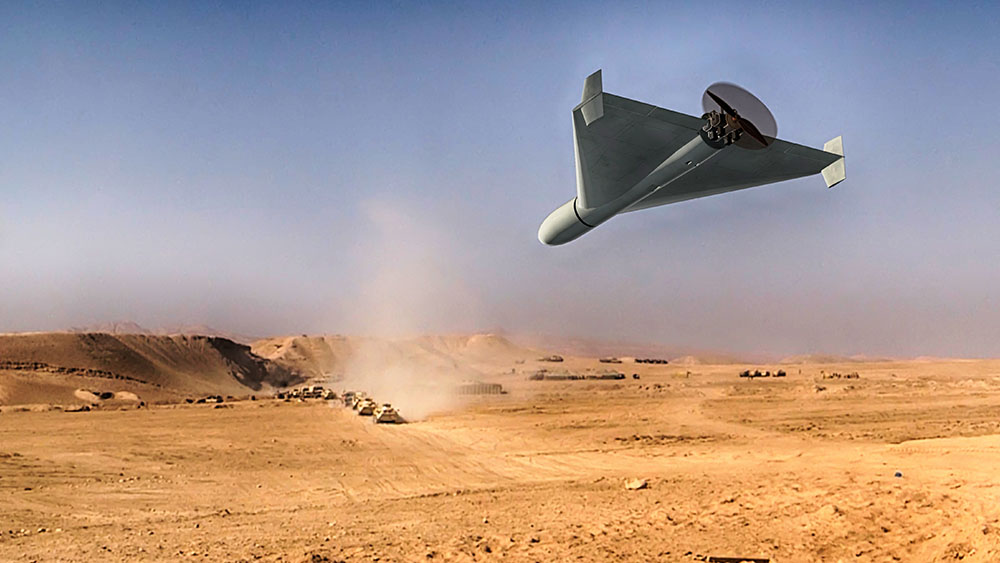
Tehran described its earlier drone operation against the U.S. radar installation as retaliation for repeated violations of Iranian airspace by American military drones, according to Iranian authorities.
Iran has previously defended its strikes on U.S. and Gulf targets in similar terms. In June, Iranian Foreign Minister Abbas Araghchi described attacks on Kuwait and Bahrain as "self-defense strikes," saying Iranian forces targeted sites that U.S. forces "use to attack civilian shipping" [6].
IRGC Claims Earlier Attacks on U.S. Assets in Bahrain
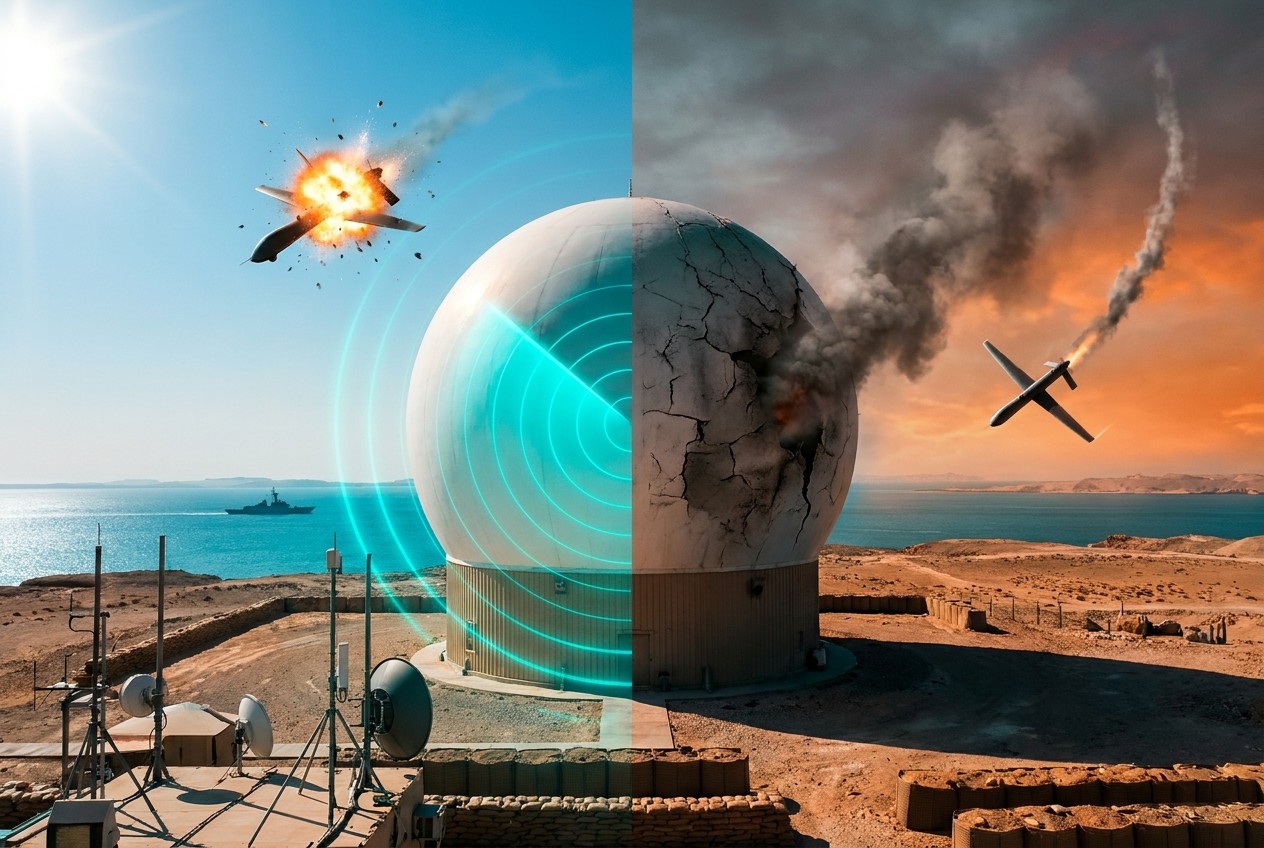
On Sunday, the IRGC said it struck a U.S. radar facility at Bahrain's Al-Riffa military heliport with six drones, describing the operation as a response to American attacks on Iranian territory, according to an IRGC statement.
On Friday, the IRGC also claimed to have destroyed a U.S. early-warning radar installation in Bahrain in retaliation for an alleged airstrike on a telecommunications tower in Iran's southern Hormozgan Province.
The pattern echoes earlier exchanges in the conflict. In May, U.S. forces conducted a series of strikes against IRGC-linked targets across the region, and each side characterized its actions as defensive or retaliatory, according to officials.
Trump, IRGC Commander Issue Statements as Hostilities Continue
President Donald Trump said last Thursday that Washington no longer needed a peace agreement with Tehran, according to his remarks.
The statements came as both sides continued to describe their actions as defensive or retaliatory, according to officials. In November 2026, after Republican midterm losses, Trump was telling reporters that renewed attacks were "highly unlikely" while insisting the U.S. was "locked and loaded," a contradiction noted in independent coverage of the war's trajectory [7].
Trump had previously described a U.S. strike on an Iranian anti-aircraft facility as a "minor attack," telling Fox News: "They have no airplanes. They have no anti-aircraft. We took some out last night. It's just a minor attack. It wasn't war" [8].
Conclusion: Regional Tensions Remain Without Independent Verification
The U.S. strike on Qeshm Island and the IRGC drone operation in Bahrain have not been independently verified, according to officials and media reports. Both Washington and Tehran have characterized their actions as responses to prior attacks, according to statements from each side.
U.S. Central Command said it remains prepared to protect American forces, while Iranian officials said they would respond to any further aggression, according to their statements. The situation remains active, with no independent confirmation of damage or casualties from the reported exchanges.
References
- US carries out 'self-defense' strikes on Iranian missile launch site. https://www.cnn.com/2026/11/17/politics/us-iran-self-defense-strikes
- US carries out ‘self-defense’ strikes on Iranian missile launch site | News Channel 3-12. https://keyt.com/politics/cnn-us-politics/2026/11/17/us-carries-out-self-defense-strikes-on-iranian-missile-launch-site/
- US strikes Iran in ‘self-defense’. https://www.coreinsightsintl.com/post/us-strikes-iran-in-self-defense
- US Forces Strike Missile Launch Site on Iran’s Qeshm Island. https://theepochtimes.com/world/us-forces-strike-missile-launch-site-on-irans-qeshm-island-6126074
- US Bombs Multiple Locations on Iran’s Qeshm Island as War Continues To Escalate. https://news.antiwar.com/2026/11/17/us-bombs-multiple-locations-on-irans-qeshm-island-as-war-continues-to-escalate/
- Iran defends attacks on Kuwait and Bahrain as ‘self-defense’. https://www.middleeasteye.net/live-blog/live-blog-update/iran-defends-attacks-kuwait-and-bahrain-self-defense
- The War With Iran Isn’t Over, And America Will Never Control the Strait of Hormuz. https://www.naturalnews.com/2026-11-13-the-war-with-iran-isnt-over.html
- Trump Confirms US Strike on Iranian Air Defense Site. https://theepochtimes.com/world/trump-confirms-us-strike-on-iranian-air-defense-site-6115289
- Seven States Declare Fuel Emergencies as Trump’s War Pushes Global Energy Supplies Into Catastrophic Shortage. https://www.naturalnews.com/2026-10-22-seven-states-declare-fuel-emergencies.html
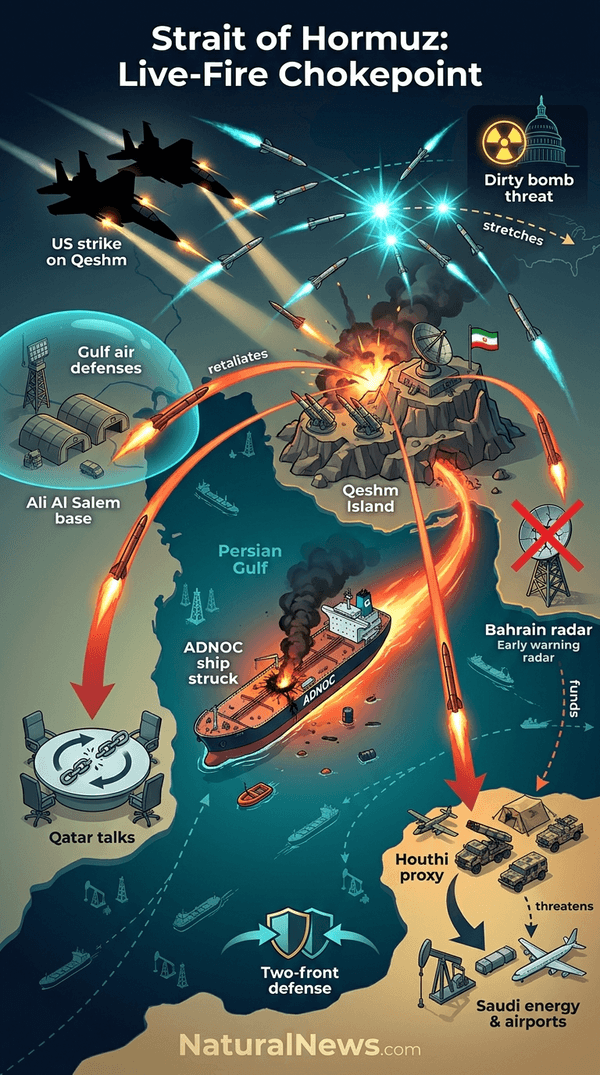
Explainer Infographic






Please contact us for more information.


