


Key points:
- Maura Healey’s 2022 campaign boasted of stopping natural gas pipelines, but now she demands more of them.
- Her administration’s sudden push for the Algonquin pipeline expansion contradicts years of anti-natural gas rhetoric and activism.
- Blocking domestic natural gas infrastructure has forced Massachusetts to rely on costly imported LNG.
- Healey’s “greenwashing” lawsuit against Exxon Mobil now clashes with her own pro-natural gas claims.
- Massachusetts consumers face higher energy bills due to politically driven infrastructure neglect.
From pipeline blockades to pipeline expansion
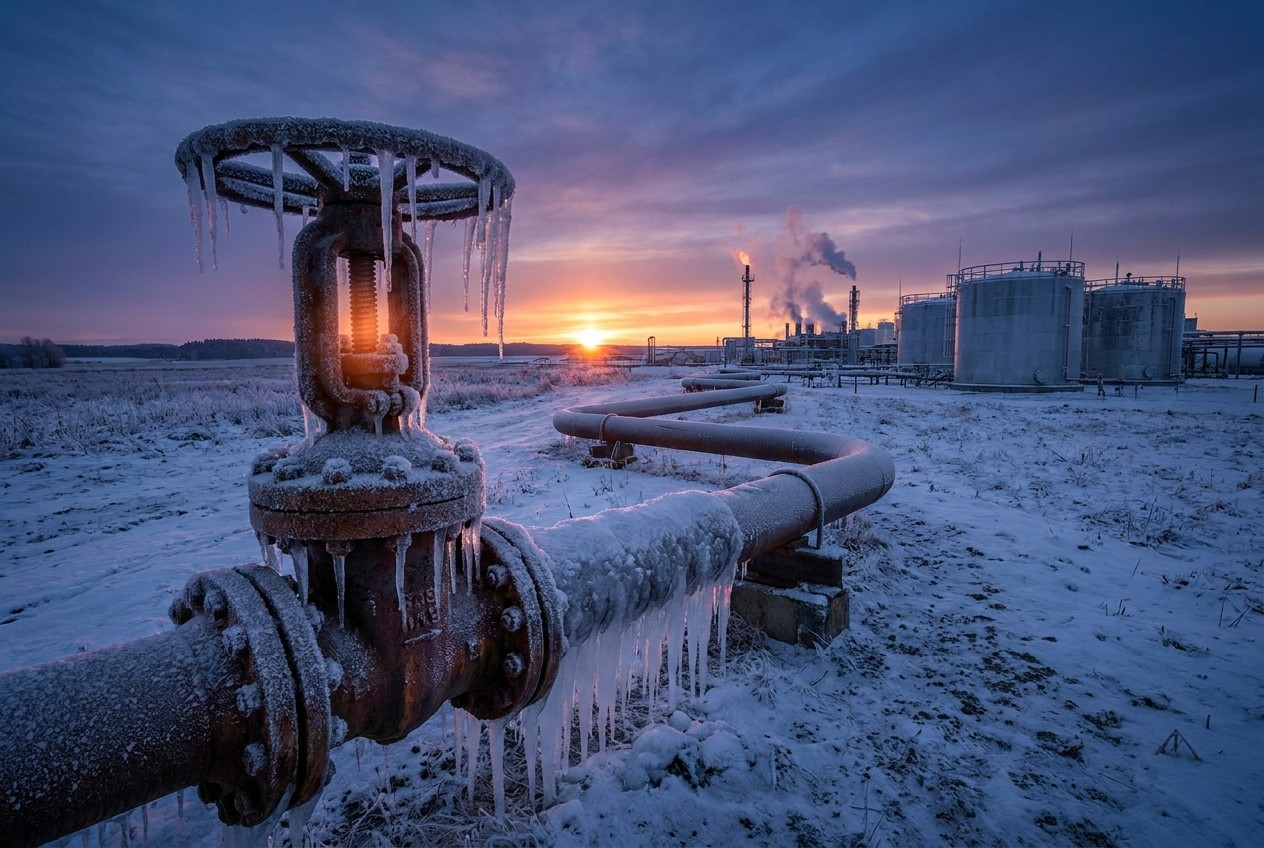
In 2022, Healey campaigned on a promise to halt fossil fuel expansion, declaring, “We don’t want any of those pipelines.” As attorney general, she sued energy companies, arguing Massachusetts didn’t need new natural gas capacity. Yet in 2026, her administration is lobbying the Trump administration to expedite the Algonquin pipeline project, which could save consumers $40 million annually. The dissonance is staggering.
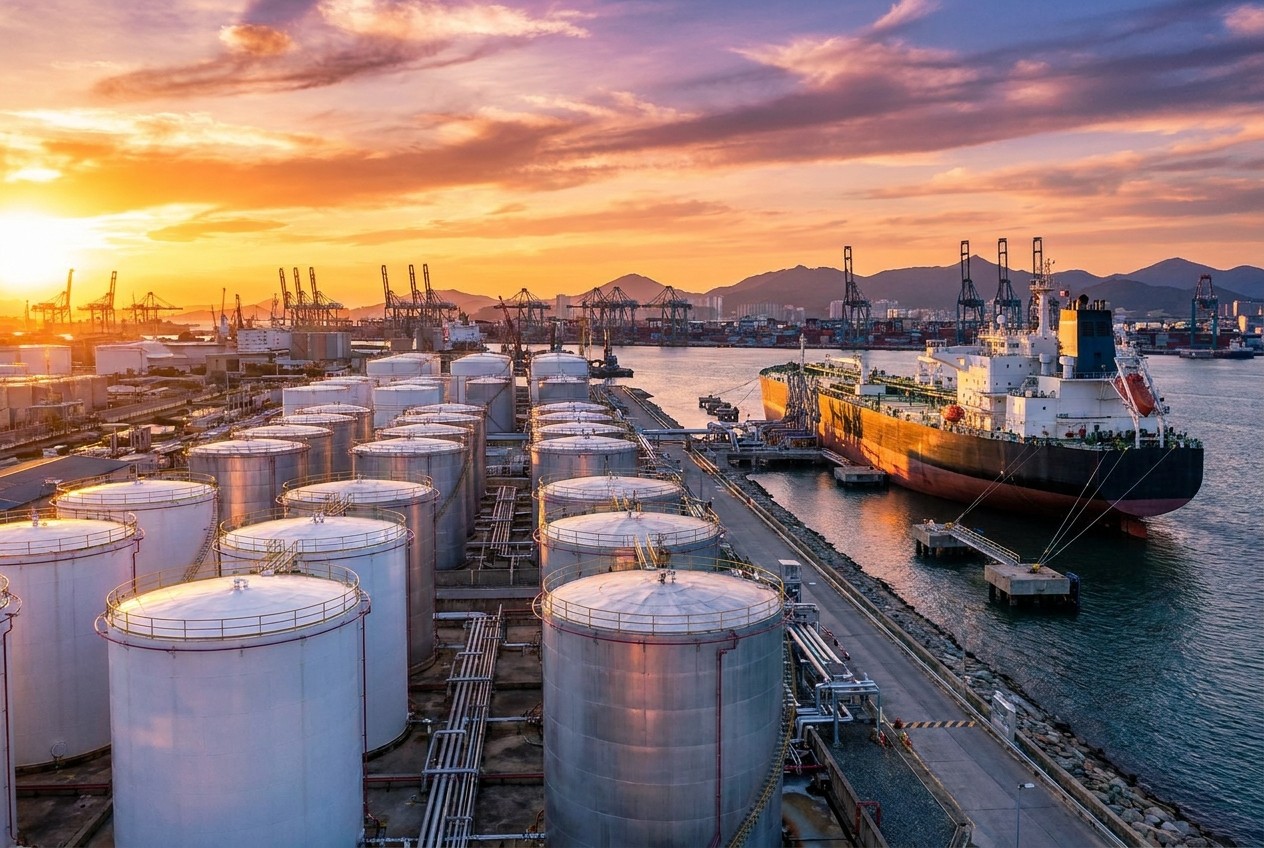
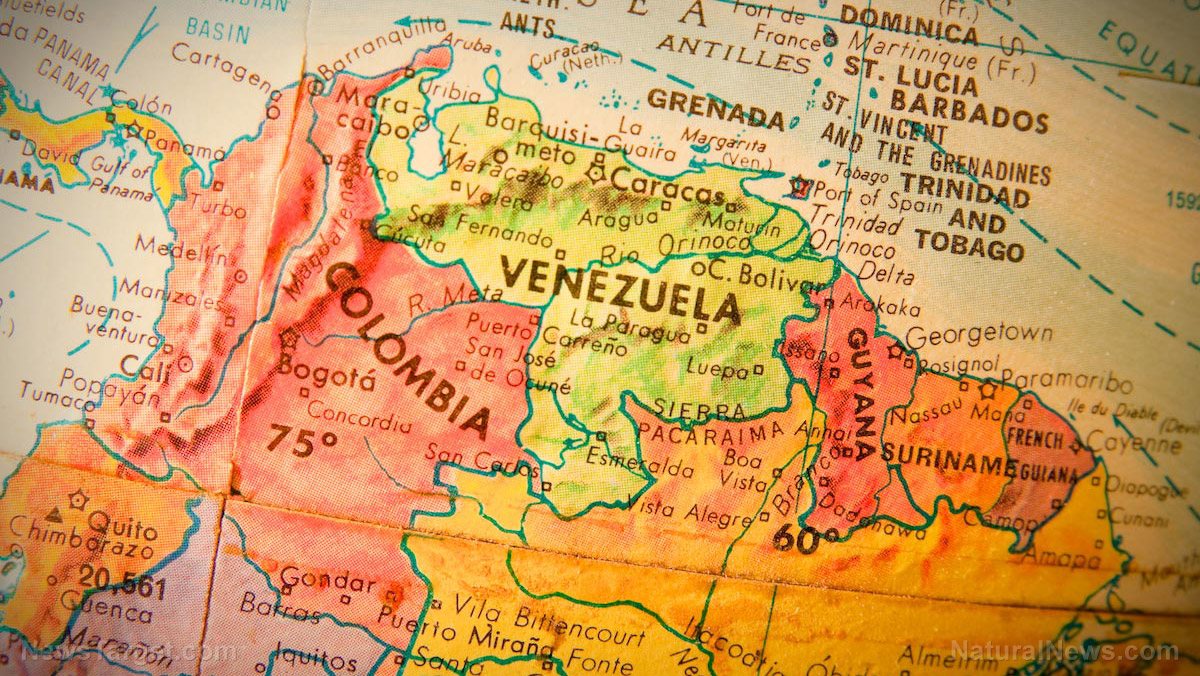
Natural gas, once demonized as a “climate villain,” is now framed as a “cleaner” alternative to imported liquefied natural gas (LNG). But the reality is stark: Pennsylvania’s Marcellus Shale, just across the border, produces abundant, affordable natural gas. By blocking pipelines, Massachusetts has forced reliance on pricier LNG imports, hiking utility bills for residents. Healey’s sudden conversion to natural gas isn’t about energy; it’s about optics, as her re-election campaign clashes with the very policies she once championed.
The cost of bringing convenient political narratives to policy
Healey’s flip-flop isn’t just ethically dubious; it’s economically devastating. The Algonquin pipeline expansion could deliver domestic natural gas to New England, reducing reliance on foreign energy sources. Yet for years, her administration obstructed such projects, creating a regulatory labyrinth that stifles infrastructure development. The result? Massachusetts consumers now pay some of the highest energy prices in the nation.
The irony deepens when considering Healey’s 2023 lawsuit against Exxon Mobil for “greenwashing” its gasoline and motor oil products. She accused the company of misleading consumers by promoting “environmental benefits” of fossil fuels. Now, her office is doing the same: touting natural gas as a climate solution after years of fighting against its methane emissions. A New York court recently dismissed a similar greenwashing case against gasoline ads, noting even the “least sophisticated consumer” knows fossil fuels aren't the best for the environment. However, Healey’s selective moralizing exposes the fragility of her environmental credentials and her ability to run a state economy.
Massachusetts’ energy woes are emblematic of a broader pattern: politicians prioritizing ideology over infrastructure. By blocking pipelines, Healey and her peers in New York have crippled regional energy independence, forcing reliance on volatile global markets. The Algonquin project, if approved, could alleviate this crisis, but only if Healey stops treating natural gas as a political football.
Residents aren’t asking for perfection; they want reliability and affordability. Yet Healey’s zig-zagging policies have left them with neither. Her sudden embrace of natural gas is less a policy shift and more a damage-control maneuver, as energy costs spiral and public trust erodes. The people of Massachusetts deserve leaders who prioritize practical solutions over partisan theatrics.
Sources include:






Please contact us for more information.


