


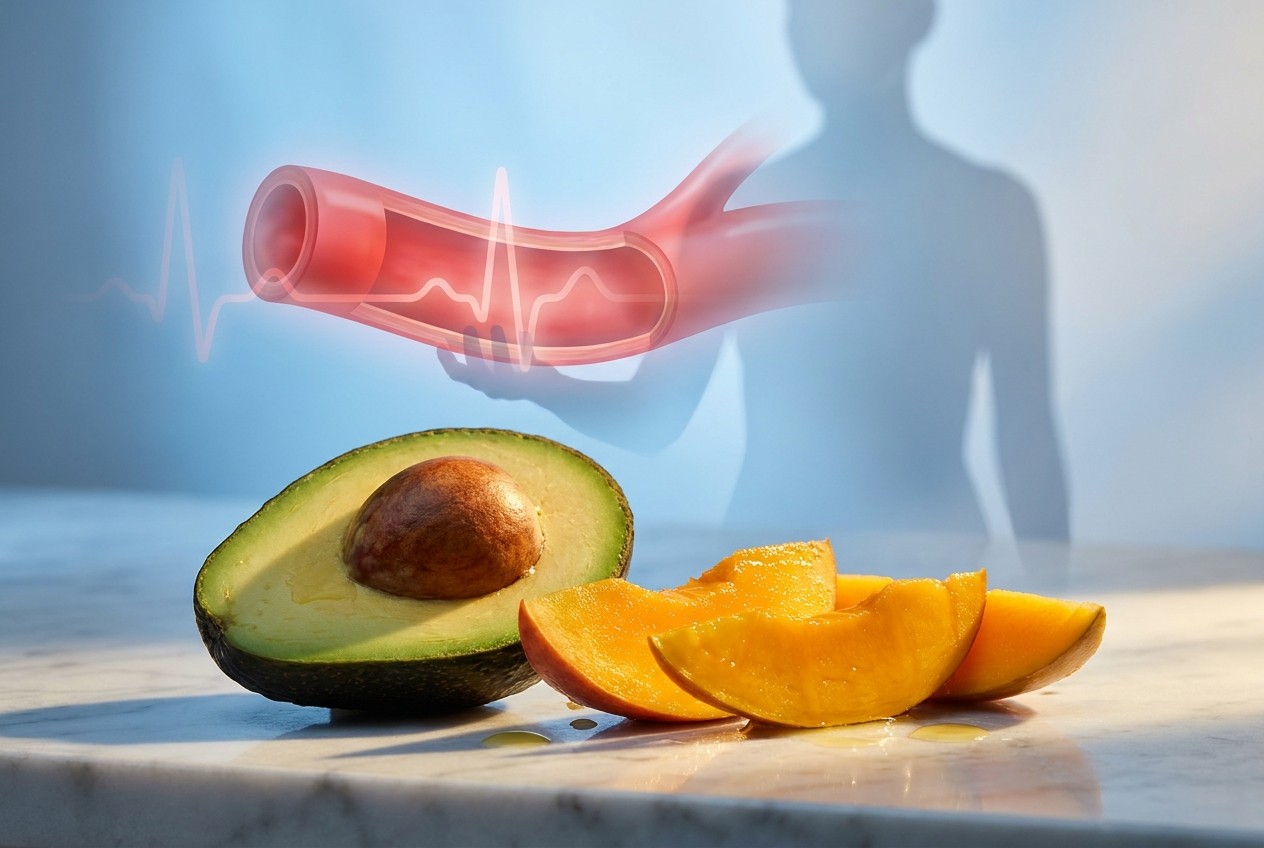
The study reported that flow-mediated dilation, a non-invasive measure of how well the endothelium relaxes and widens when blood flow increases, rose to 6.7% in the avocado-mango group. In the control group, flow-mediated dilation fell to 4.6%. According to the study, participants' weight did not change over the study period.
All findings were attributed to the study and its authors. The report did not characterize the result as surprising or as a breakthrough.
Study Design and Participants
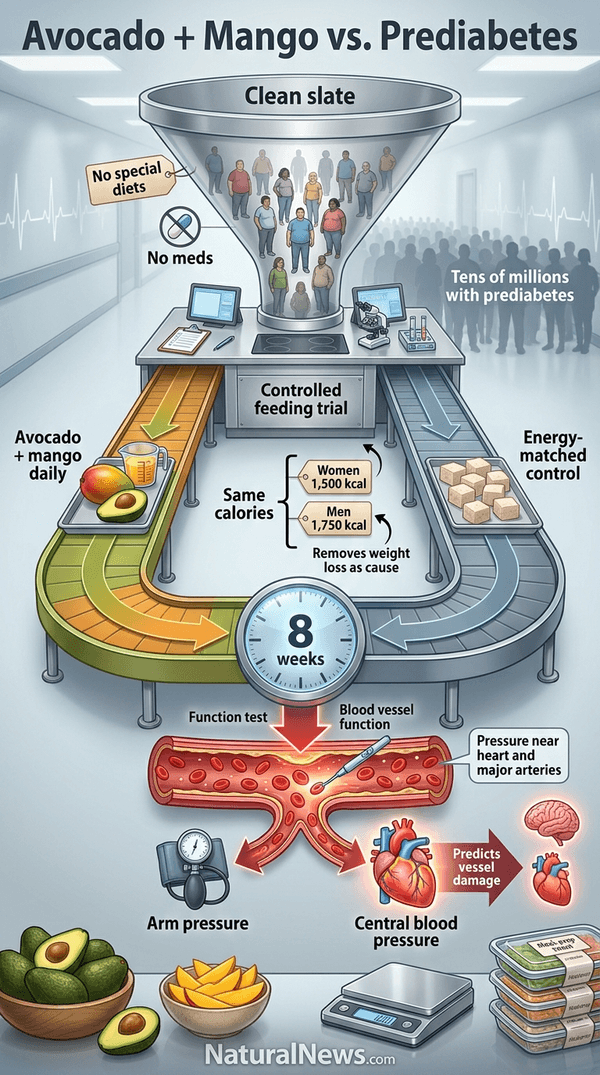
The trial was a randomized, two-arm, partially controlled feeding trial involving 82 adults with prediabetes, according to the study. Researchers at Illinois Tech reported that participants were generally healthy, non-smokers, and were overweight or had obesity, with an average age of 45 years and an average body mass index of about 30 kg/m².
One group received weekly diets that included one medium avocado and one cup of fresh mango every day. The other group received an energy-matched control diet in which the fruits were replaced with low-fat, low-fiber foods providing a similar number of calories.
Women received about 1,500 calories a day, while men received about 1,750 calories a day, the researchers said. The researchers stated that they controlled the participants' meals and calories rather than observing them, according to the report.
Blood Vessel and Blood Pressure Findings
After eight weeks, flow-mediated dilation was 6.7% in the avocado-mango group and 4.6% in the control group, according to the study. The researchers calculated that the avocado-mango diet produced roughly a 1% absolute improvement in flow-mediated dilation compared with the control diet. Flow-mediated dilation is a non-invasive test of how the endothelium, the inner lining of blood vessels, relaxes and widens when blood flow increases, as described in the study.
The study also reported blood pressure findings. Men eating avocado and mango daily saw a reduction of about 1.9 mmHg in central diastolic blood pressure, while men in the control group experienced an average increase of about 5 mmHg. Central blood pressure refers to pressure near the heart and major arteries, rather than pressure measured at the arm, according to the researchers.
The researchers described the finding as a prevention of a worsening trend in blood pressure over the study period, according to the report.
Outcomes That Did Not Change and Stated Limitations
The researchers did not find improvements in cholesterol, blood sugar or inflammatory markers compared with the control diet, according to the study.
The researchers said better blood vessel function and modest blood pressure changes do not automatically translate into lower risk of heart attack or stroke. The trial lasted eight weeks, and longer studies would be needed to determine whether early vascular improvements are maintained and translate to clinical outcomes, as the researchers pointed out.
Vascular and metabolic changes often occur over longer time frames, according to the researchers.
Nutritional Composition and Weight Findings
Avocados are rich in monounsaturated fats, fibre, potassium and other micronutrients, while mangoes contribute vitamin C, carotenoids, fiber and natural plant compounds with antioxidant properties, according to the study. Participants substantially increased total fruit intake, dietary fiber, vitamin C and monounsaturated fats, the study reported.
The researchers stated that the benefit may come from the combination of the two fruits rather than either fruit alone. Participants did not lose weight because calorie intake was controlled and the fruit was added within an energy-balanced diet rather than added on top of existing meals, according to the researchers.
The researchers cautioned that the results should not be read as permitting unlimited consumption of avocado and mango, since calories still count, as stated in the report.
What Researchers Say the Findings Mean
The researchers described the practical implication as increased fruit intake within a calorie-controlled eating pattern, according to the study.
The study did not establish whether the vascular changes reduce risk of heart attack or stroke, and longer trials would be needed, as the researchers stated.
References
- Eating one avocado and a cup of mango ... https://timesofindia.indiatimes.com/science/discovery/daily-avocado-and-mango-diet-boosts-heart-health-in-prediabetes-study-reveals-improved-blood-vessel-function/articleshow/135559134.cms
Explainer Infographic












Please contact us for more information.


