


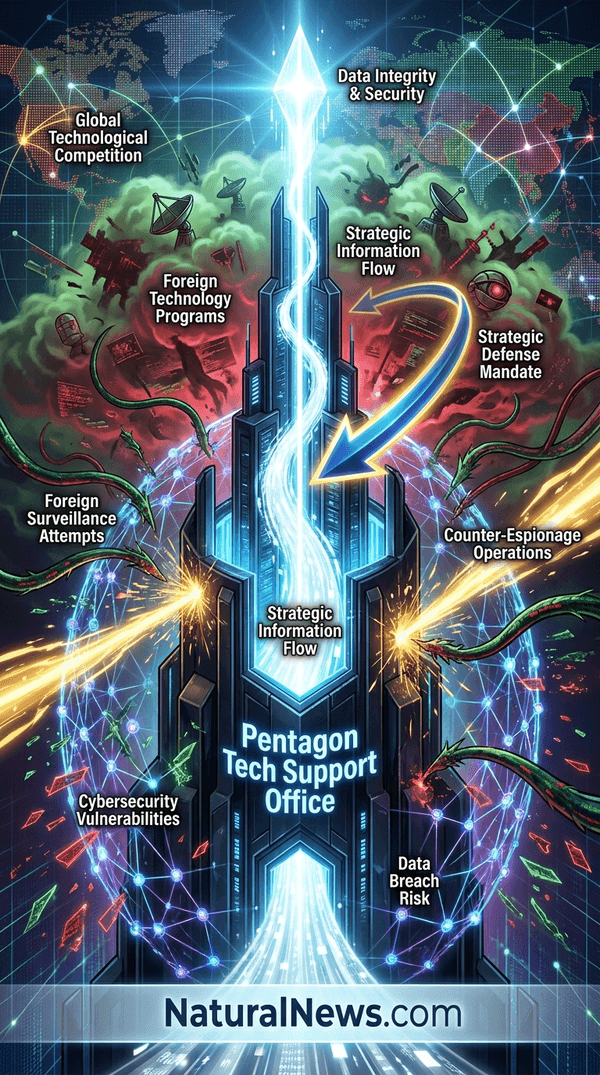
The creation of the said tech office signals the Defense Department's intent to ramp up a range of aggressive covert activities abroad, according to officials and records. [1] [2]
Origins and Leadership
TSO was created by reorganizing two classified Pentagon intelligence programs that have conducted smaller-scale clandestine tech-sabotage efforts since 2023, according to previously unreported Defense Department records and memoranda.
Mission and Operations
TSO lacks legal authority to conduct clandestine operations directly but works with senior military and intelligence officers to develop tools and strategies to disrupt adversaries' access to critical defense technologies, officials said. Its staff includes engineers, special operators and intelligence officers; work ranges from building hacking tools to planning deception operations that trick adversaries into installing faulty components in foreign weapons platforms. [1] [3]
A former U.S. intelligence official who worked closely with the agency said its goal is to "buy time or stop adversaries from developing technologies" that would most threaten the U.S. military in a major conflict. The office's creation signals intent to expand covert activities abroad, potentially including cyberattacks, supply chain disruptions and disinformation operations, according to officials and records. [1] [4]
The Pentagon has spent months quietly building an elite new tech agency to help covertly disrupt and sabotage foreign technology programs considered threats to American military superiority, according to the POLITICO report. [5] [6]
Budget, Contractors and Bureaucratic Friction
It is unclear how much money has been allocated to TSO or whether it has issued new contracts, according to the report.
Special Operations Command and U.S. Cyber Command objected to creating the agency over concerns it would cut into their budgets, according to two former intelligence officials and one former senior national security official.
Oversight and Secrecy Concerns
Some officials said the secrecy could make it harder for Congress to identify potential impropriety in TSO's operations or contracting; only a small number of congressional staffers have been read in, a current national security official said.
A current official said classified space creates "even more opportunities to hide or misdirect"; Bliss said the Defense Department values its relationship with Congress and will work with relevant committees.
The Pentagon denied on Thursday, Oct. 22, that it is expanding clandestine intelligence and technological sabotage operations against China and other foreign adversaries, rejecting separate reports describing a proposed undercover spy network and a newly established office focused on disrupting military technology development. [7]
Conclusion
TSO remains largely unpublicized and its specific operations are highly classified, according to the report.
The Pentagon did not respond to questions about whether it has requested additional funding or plans to seek long-term authorization from Congress, the report said. The office's existence was first reported by POLITICO on Oct. 22.
References
- The Pentagon is quietly building an elite new tech sabotage agency. https://www.politico.com/news/2026/10/22/technology-support-office-dod-tech-spyware-sabotage-01100327
- Techmeme: Sources: The Pentagon quietly established the Technology Support Office (TSO), a sabotage agency for executing cyberattacks, supply chain disruptions, and more. https://www.techmeme.com/261022/p27
- Pentagon Quietly Builds Elite Tech Sabotage Agency. https://jumpseataerospacenews.com/2026/10/pentagon-quietly-builds-elite-tech-sabotage-agency/
- Sources: The Pentagon quietly establishes the Technology Support Office (TSO), an agency to execute covert sabotage, cyberattacks, and supply chain disruptions (Politico). https://upstract.com/x/588a1a47b5a33c7b
- The Pentagon is quietly building an elite new tech sabotage agency. https://www.democraticunderground.com/10143747367
- Pentagon Builds Secret Agency to Disrupt Rival Tech. https://politicalwire.com/2026/10/22/pentagon-builds-secret-agency-to-disrupt-rival-tech/
- Pentagon Rejects Reports of Secret Spy Network and Technology Sabotage. https://yournews.com/2026/10/22/7235040/pentagon-rejects-reports-of-secret-spy-network-and-technology-sabotage/
Explainer Infographic






Please contact us for more information.


