


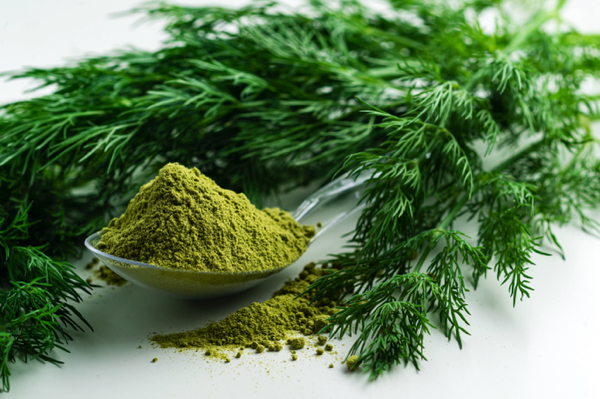
- Dill (Anethum graveolens) is a versatile and beneficial herb with a rich history and wide-ranging applications in human health and wellness. It belongs to the carrot family and is known for its medicinal and culinary uses.
- It has been used since ancient times, with applications in Egyptian medicine and Greek and Roman cuisine. Its name is derived from the Old Norse word "dilla," meaning "to soothe." Dill essential oil is extracted from the leaves and seeds through steam distillation.
- Dill essential oil contains compounds like limonene, carvone and anethole, which offer antioxidant, anti-inflammatory and antimicrobial properties. These benefits support digestive health, nervous system function, immune function, inflammation reduction and menstrual health.
- Dill essential oil is available in various forms, including capsules, tinctures and creams. The recommended dosage for adults is typically one to two drops added to water or tea. However, it is essential to consult a healthcare professional before use, especially for those who are pregnant, nursing or taking medications.
- Using dill essential oil may involve potential interactions with certain medications and can cause allergic reactions in some individuals. It is crucial to choose a high-quality, pure oil from a reputable supplier and to discontinue use and consult a healthcare professional if any adverse reactions occur.
Dill (Anethum graveolens) is an annual herb that belongs to the carrot family and is native to Mediterranean regions. It is characterized by its delicate, fern-like leaves and slender, hollow stems, which produce small yellow flowers. Dill seeds and leaves are widely used in culinary applications, and its essential oil is known for its medicinal properties.
Dill has a long history of use dating back to ancient civilizations. The Egyptians used Dill as a medicinal herb, while the Greeks and Romans employed it for culinary and medicinal purposes. Its name comes from the Old Norse word "dilla," meaning "to soothe," as it was traditionally used to calm babies and reduce colic. Dill is also related to other well-known herbs like fennel, caraway and cumin, which share similar medicinal properties.
Its essential oil is typically extracted from the leaves and seeds of the plant using steam distillation. This process separates the volatile compounds from the plant material, resulting in a concentrated oil that retains the herb's beneficial properties.
Biological and human health benefits
Dill essential oil contains numerous beneficial compounds, including limonene, carvone and anethole, which contribute to its therapeutic effects. These compounds possess antioxidant, anti-inflammatory and antimicrobial properties that may help promote overall health and well-being.
- Digestive health: Dill has been traditionally used to support digestive health. It may help relieve indigestion, bloating and gas by stimulating the production of digestive enzymes. Additionally, its antispasmodic properties can help reduce cramping and ease discomfort.
- Nervous system support: Dill essential oil may help reduce stress, anxiety and fatigue. Its calming properties can promote relaxation and improve sleep quality, contributing to overall mental well-being.
- Immune function: The antimicrobial properties of dill essential oil may help support immune function by fighting off harmful bacteria and viruses. This can help reduce the risk of infections and illnesses, like colds and flu.
- Inflammation reduction: Its anti-inflammatory properties may help reduce inflammation in the body, which is linked to numerous chronic conditions, including heart disease, diabetes and arthritis.
- Menstrual health: Dill essential oil may help ease menstrual discomfort and cramping by reducing inflammation and promoting relaxation.
Availability and dosage
Dill essential oil is available as a supplement in various forms, including capsules, tinctures and creams. When used topically, it is often diluted with a carrier oil to reduce the risk of skin irritation. For internal use, the recommended dosage for adults is typically one to two drops of dill essential oil added to a glass of water or tea.
However, it is essential to consult with a healthcare professional before using dill essential oil, especially if you are pregnant, nursing or taking any medications. Some individuals may be allergic to dill or other members of the carrot family, so it is important to discontinue use and consult a healthcare professional if you experience any adverse reactions.
Additionally, dill essential oil may interact with certain medications, such as blood thinners and sedatives, so it is advisable to consult with a healthcare professional before using it if you are taking any medications. To ensure safety and efficacy, opt for a high-quality, pure Dill essential oil from a reputable supplier.
Remember, this story is not medical advice and is not intended to treat or cure any disease. Always consult with a qualified naturopathic physician for personalized advice about your specific health concern.
Watch this video to learn more about the dill herb – its benefits, uses and side effects.
This video is from the Holistic Herbalist channel on Brighteon.com.
Sources include:









Please contact us for more information.


