- A major review in the Journal of Endocrinological Investigation found little evidence that thyroid patients need to avoid broccoli, kale, or cabbage.
- Cooking cruciferous vegetables largely neutralizes the compounds that can interfere with the thyroid’s use of iodine.
- Italian researchers found too little evidence to recommend gluten-free diets for thyroid patients without celiac disease.
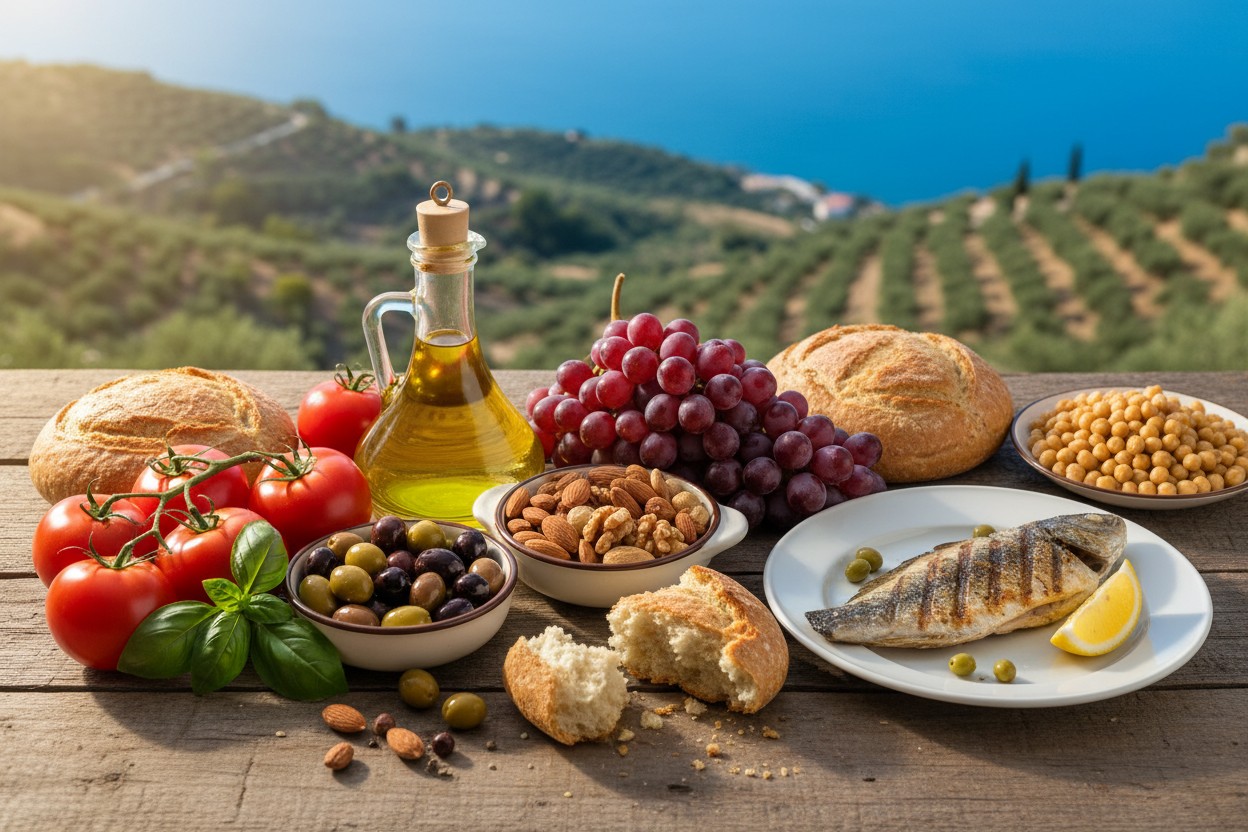
- The review favored a Mediterranean-style diet and linked the typical Western diet to inflammation and thyroid problems.
- Trendy sea salts and Himalayan pink salt provide virtually no iodine, unlike iodized salt.
For years, people with sluggish thyroids have been told to ditch broccoli, skip gluten, and swear off cabbage. But a sweeping review published in the Journal of Endocrinological Investigation has turned much of that advice on its head. A team of Italian thyroid specialists combed through studies spanning 2005 to 2025, and what they found may change what you put on your plate. The question isn’t just what to cut out; it’s whether the rules you’ve been following are actually helping at all.
Broccoli and kale got a bad reputation that doesn’t hold up
Here’s the good news for anyone who has been avoiding green vegetables: the evidence against cruciferous veggies like broccoli, kale, and cabbage is surprisingly weak. The review, which used four independent reviewers to screen decades of research, found that the compounds in these vegetables that, in large amounts, can interfere with the thyroid’s use of iodine caused problems mainly in animal studies, not people. In human studies, kale juice and broccoli sprouts left key thyroid hormone levels unchanged.
On top of that, heat knocks out the enzyme that triggers the effect, so cooking largely solves the problem. As long as you’re getting enough iodine and eating a varied diet, the researchers found no grounds to steer clear of some of the most nutrient-dense foods available.
Going gluten-free may not help unless you have celiac disease
If you’ve been cutting out bread and pasta in hopes of calming your thyroid, the review suggests you may be wasting your effort. The Italian team concluded there isn’t enough evidence to recommend going gluten-free for thyroid patients who do not have celiac disease.
Without a medical reason to avoid gluten, cutting out whole grains can actually backfire, shortchanging you on fiber, protein, and trace minerals. Worse, the gluten-free breads and baked goods many people swap in are often loaded with additives, fats, and sugars, the researchers noted. For anyone with celiac disease or a true sensitivity, the story is different. But for the vast majority, the effort of dodging bread would be better invested in foods your thyroid actually needs.
Researchers point thyroid patients toward Mediterranean-style eating
So what does work? The review held up one eating pattern as the model to follow: a Mediterranean-style diet rich in vegetables, fruits, whole grains, extra virgin olive oil, and fish. This eating pattern was linked to lower inflammation, fewer thyroid autoantibodies, and better overall thyroid outcomes.
The typical Western diet, heavy on ultra-processed foods, refined sugar, and red and processed meat, did the opposite, fueling inflammation that may feed thyroid dysfunction and autoimmunity. No single nutrient or supplement can replace a varied, balanced diet, the authors wrote. Key players include iodine, selenium, zinc, and iron, which the gland relies on to make and activate its hormones, along with vitamin D and B12, which tend to run low in people with autoimmune thyroid disease.
Add good foods instead of cutting out feared ones
Plenty of thyroid patients have spent years banishing foods from their plates and still feel sluggish. According to this review, what you eat every day matters far more than what you avoid. The recommended iodine intake for adults is 150 micrograms a day, which is easy to get from pasture-raised eggs, yogurt, wild-caught seafood, and iodized salt used sparingly.
One surprise: the trendy sea salts and Himalayan pink salts many health-conscious people have switched to provide virtually no iodine, and the researchers say that swap has helped iodine deficiency make a comeback. A single Brazil nut can cover a day’s selenium needs, while pumpkin seeds, sardines, and grass-fed beef supply zinc.
Ask your provider to test your vitamin D, B12, and iron levels, since shortfalls in any of them can affect thyroid health. And yes, you can still enjoy your broccoli; just cook it lightly, drizzle it with olive oil, and stop worrying about food rules that never had strong evidence to begin with.
For too long, thyroid advice has been a list of forbidden foods. This review hands patients something better: permission to eat real food without fear.
Sources for this article include:









Please contact us for more information.