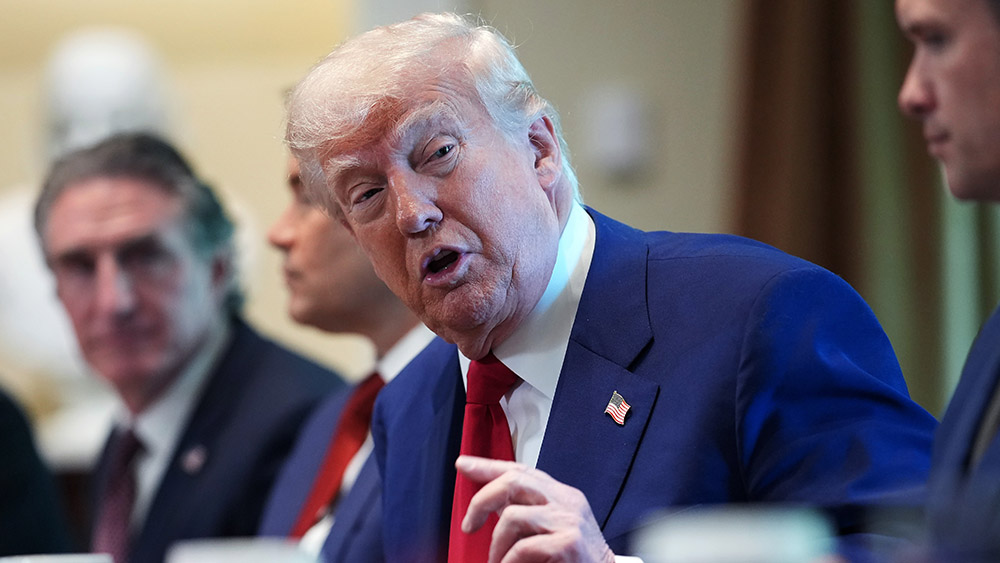
- President Trump said the U.S. may join Saudi Arabia in retaliating against Yemen’s Iran-backed Houthi rebels.
- A Houthi missile strike on Riyadh’s main airport killed 12 people, including one American, and injured more than 300.
- The Houthis warned that Saudi airports and airspace are now targets, sparing only the airports in Mecca and Medina.
- Saudi officials are seeking urgent U.S. defense support, while some analysts warn another U.S. bombing campaign may fail.
- Energy prices have soared since the Iran war began in February, raising the stakes ahead of the midterm elections.
President Donald Trump said the U.S. is weighing military support for Saudi Arabia after a Houthi missile strike on Riyadh’s King Khalid International Airport killed 12 people, including one American, and injured more than 300 others on Saturday. The attack, the deadliest in any Gulf Arab country since the Iran war erupted in February, has reignited tensions in the Middle East and prompted warnings from the Iran-backed Houthi rebels that Saudi airports remain vulnerable to further strikes. Trump’s potential intervention could escalate the conflict into a second front against Iran, raising concerns about regional stability and global energy markets.
Trump weighs military support for Saudi retaliation
Speaking to reporters outside the White House, Trump stated, “We may. We’re going to look at it,” when asked if the U.S. would join Saudi Arabia’s planned retaliation against the Houthis. The president called the attack terrible and said a decision would come quickly. Saudi Crown Prince Mohammed bin Salman has reportedly pushed for U.S. involvement, as the kingdom seeks to degrade Houthi capabilities following the airport strike. Two anonymous Saudi officials told MS NOW that the kingdom needs “urgent defense support” and that Washington must intervene as soon as possible to support the Saudi-led coalition in Yemen.
Although the U.S. has not struck the Houthis since its bombing campaign ended in May 2025, the Houthi attacks on civilian infrastructure, coupled with Iran’s support for the rebels, could justify a response. The Houthis, who agreed to a May 2025 cease-fire with Washington and have largely spared U.S. ships since, have instead escalated attacks on Saudi airports, complicating Trump’s calculus.
Houthis warn of further attacks on Saudi airports
In the wake of the strike, the Houthis warned that Saudi airports and airspace “have become a theatre of operations for our forces,” urging airlines and travelers to stay away, with the exception of airports in the holy cities of Mecca and Medina. A Houthi spokesperson also said Riyadh would bear the blame for any failed interceptions. Colonel Turki Al-Maliki, a Saudi coalition spokesperson, labeled the attack a “war crime” and vowed to respond decisively under international humanitarian law.
Saturday’s strike was the second deadly attack on the airport in less than a week; a Thursday attack killed three Saudi nationals, among them a pilot. The Houthis’ strategy appears aimed at destabilizing Saudi Arabia’s critical infrastructure and disrupting global oil exports through the Bab el-Mandeb strait.
U.S. faces pressure to escalate tensions with Iran
Robert A. Pape, a University of Chicago professor tracking the Iran war, argued the strike “dramatically increases” the likelihood of Trump launching attacks. He said advisers may propose attacking Iranian oil refineries to drive inflation or striking Houthi facilities on Perim Island, which track shipping. However, critics like Jennifer Kavanagh of Defense Priorities contend that U.S. involvement is unlikely, as the conflict does not directly threaten American interests.
The U.S. is already stretched thin, with limited munitions for precision strikes, Kavanagh said. A return to bombing campaigns, similar to the 2024-2025 efforts, could prove ineffective against the Houthis, who have already shown they can withstand such strikes. The UK’s defense secretary, Wes Streeting, acknowledged the need to support Saudi Arabia but ruled out offensive operations “at this stage,” adding that there is no military solution to the conflict.
Americans may foot the bill for another front
As Trump navigates the fallout from the airport strike, the U.S. faces a critical juncture in its Middle East strategy. Joining Saudi Arabia in retaliating against the Houthis could widen the war and pull Washington back into strikes on Iran, which Trump had said he would avoid before the midterms. Energy prices have soared since the war began with U.S. and Israeli airstrikes in February, and Americans are paying for it at the pump. Riyadh, which secured approval last month for a potential $24.3 billion F-35 purchase, now wants American firepower too. With the midterm elections approaching, Trump’s decision will test whether America First still means keeping Americans out of other nations’ wars.
Sources for this article include:







Please contact us for more information.