


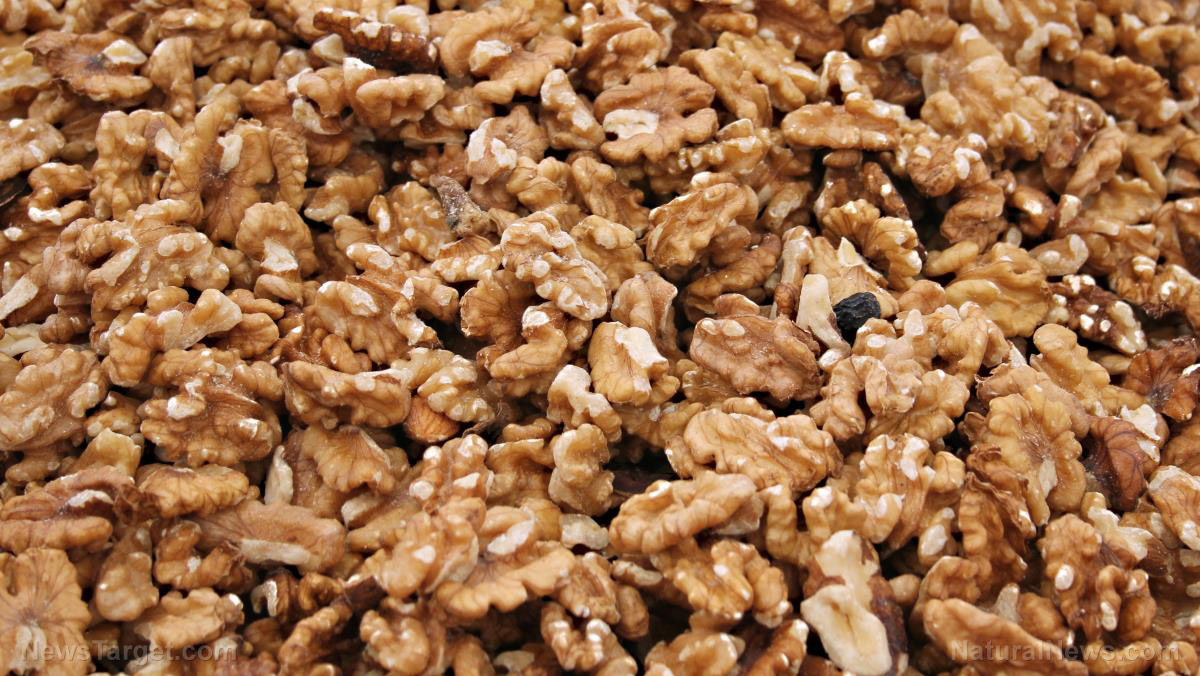
- Eating 50 grams of walnuts at breakfast improved reaction times and memory performance in a 2025 University of Reading study of 32 young adults.
- Walnuts contain alpha-linolenic acid (ALA), an omega-3 fatty acid that supports brain cell formation and reduces inflammation linked to cognitive decline.
- The recommended daily serving is 28–42 grams, approximately 12–18 walnut halves or one ounce.
- Walnuts also provide polyphenols, vitamin E, melatonin and folate that work together to protect brain cells from oxidative stress.
- Regular walnut consumption may reduce cardiovascular disease risk by up to 20% while supporting gut health and metabolic function.
A recent study from the University of Reading has given millions of health-conscious Americans a compelling reason to add walnuts to their morning routine. The double-blind crossover trial, published in a peer-reviewed journal, followed 32 healthy young adults aged 18 to 30 who consumed either a breakfast containing 50 grams of walnuts or a calorie-matched control breakfast without nuts. Researchers measured cognition, mood, blood markers and EEG brain activity at baseline and at two, four and six hours after eating. The findings: participants who ate walnuts demonstrated faster reaction times on executive function tasks throughout the day, and by the six-hour mark, their memory recall performance surpassed that of the control group. This research arrives at a time when cognitive decline and neurodegenerative diseases affect millions globally, and dietary interventions offer accessible, low-cost preventive strategies.
The morning advantage: When to eat for peak performance
Research suggests that consuming walnuts in the morning may optimize cognitive benefits throughout the day. The 2025 University of Reading study specifically examined breakfast consumption, finding that walnut eaters showed improved reaction times on executive function tasks across all testing periods. Blood analysis revealed that walnut consumption led to lower circulating non-esterified fatty acids and small increases in glucose availability, suggesting enhanced glucose availability as one possible mechanism for cognitive improvement.
While researchers noted that mood ratings for negative affect appeared worse following walnuts compared to the control—possibly due to general dislike of the intervention—the cognitive benefits remained statistically significant. Memory recall performance initially lagged at the two-hour mark but reversed by six hours, with walnuts outperforming the control group.
Consistency over timing matters most. Experts emphasize that regular walnut intake over time provides greater long-term brain health benefits than perfect timing alone, as the accumulation of omega-3s and protective compounds gradually reduces the risk of neurodegenerative diseases.
The nutrient arsenal: What makes walnuts unique
Walnuts stand apart from other tree nuts as one of the few rich sources of alpha-linolenic acid (ALA), the plant-based omega-3 fatty acid essential for neurological function. This compound supports the formation of new brain cells, strengthens connections between existing cells and increases levels of protective chemicals in the brain. Low omega-3 levels over time can cause brain cells to shrink or weaken, elevating the risk of cognitive impairment.
Beyond ALA, walnuts contain a synergistic blend of neuroprotective compounds:
Polyphenols and flavonoids: These plant pigments reduce brain inflammation and enhance cognitive functions including memory and processing speed
Vitamin E isomers: Antioxidants that promote the health and function of neurons
Melatonin and folate: Compounds that guard against oxidative stress and support neuron function by lowering homocysteine levels associated with cognitive decline
These nutrients work together to boost blood flow to the brain, support brain cell signaling and improve neuroplasticity—the brain's ability to repair itself.
Broader health benefits: Beyond the brain
The same compounds that protect brain health extend benefits throughout the body. Clinical trials have demonstrated that consuming just one handful of walnuts daily—approximately 14 halves or one ounce—can reduce the risk of cardiovascular disease by up to 20%. This occurs through lowering low-density lipoprotein (LDL) cholesterol and blood triglycerides.
Walnuts also show prebiotic properties that promote beneficial gut bacteria growth, support metabolic health by stabilizing blood sugar levels and reduce systemic inflammation that contributes to cancer risk. Studies further indicate that regular walnut consumption may preserve youthful telomere strands, a key factor in cellular aging.
A simple addition with measurable returns
The University of Reading study, while limited to 32 healthy young adults and funded by the California Walnut Commission (which the researchers note played no role in study design or interpretation), adds to a growing body of evidence supporting walnuts as a targeted brain health food. For a population increasingly concerned about cognitive decline—affecting an estimated 55 million people worldwide with Alzheimer's disease—the intervention is remarkably simple: add approximately 1.5 ounces of walnuts to breakfast or consume them before mentally demanding tasks.
The nut's shape, resembling the human brain with its creases mirroring the neocortex, becomes more than coincidence when considering the scientific data. As researchers continue investigating how diets containing walnuts might regulate cognitive improvements postprandially and over the longer term, the current evidence supports making walnuts a regular part of daily nutrition—not as a magic bullet, but as a scientifically validated component of a brain-healthy lifestyle.
Sources for this article include:











Please contact us for more information.


