


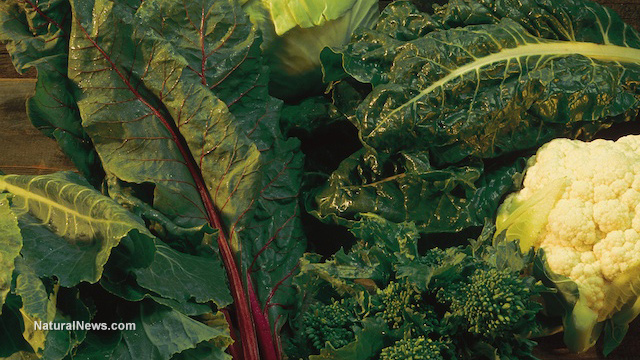
- Calcium is essential for bone health, and many vegetables offer significant amounts beyond dairy sources.
- Cooked collard greens provide the highest calcium content among vegetables at 249 mg per cup (19% DV).
- Kale, turnip greens, mustard greens and broccoli rabe each deliver 12-15% DV of calcium per cooked serving.
- Low-oxalate vegetables like kale and turnip greens offer better calcium absorption than spinach or chard.
- Pairing calcium-rich vegetables with vitamin D sources enhances the body's ability to absorb the mineral.
Beyond the dairy aisle: Why vegetables deserve a place in bone health
For decades, Americans have been told that milk builds strong bones. But a growing body of nutritional research centered on plant-based eating has revealed a broader picture: leafy green vegetables offer substantial calcium content that can meaningfully contribute to daily requirements. This matters because osteoporosis and bone density loss remain significant public health concerns, particularly for women over 50 and men over 70, who need 1,200 milligrams of calcium daily according to federal recommendations.
The news arrives as more Americans shift toward plant-forward diets, either for ethical, environmental or health reasons. Published in October 2026 by nutrition expert Heidi Cope and reviewed by registered dietitian Kayla Girgen, the research highlights five vegetables that rival dairy in calcium density when consumed in adequate portions. For college-educated readers tracking nutritional science, the key finding is that vegetables can no longer be dismissed as insignificant calcium sources.
The unexpected calcium champion: Collard greens
Among leafy greens, collard greens stand alone. One cup of cooked collards delivers 249 milligrams of calcium, representing 19% of the daily value for adults. This places collard greens in direct competition with dairy products for calcium density per serving.
Beyond calcium, collard greens provide substantial vitamin K, which works synergistically with calcium to support bone structure and reduce fracture risk. Traditionally braised, sautéed or added to soups, collards offer versatility that makes them accessible for regular consumption.
Kale and turnip greens: Strong contenders for daily calcium goals
Kale, often celebrated for its antioxidant content, also delivers meaningful calcium. A cup of cooked kale provides 177 milligrams, or 13.6% of the daily value. Notably, raw kale offers slightly more calcium per serving: four cups of raw kale contain 16.6% DV. This matters for those who prefer salads over cooked greens.
Turnip greens, the leafy tops of turnip roots, provide 197 milligrams of calcium per cooked cup, or 15% DV. These greens belong to the same plant family as broccoli, cabbage and Brussels sprouts but carry a distinct bitter flavor that responds well to cooking with fats or acidic ingredients like lemon juice or vinegar. Turnip greens also supply fiber, folate and vitamin A.
Absorption matters: Why oxalate levels affect calcium benefits
Not all vegetable calcium is created equal. Some vegetables contain oxalates, plant compounds that bind with calcium in the digestive system, preventing absorption. While this binding helps prevent kidney stones, it reduces the calcium available for bone health.
For maximum calcium absorption, nutrition experts recommend prioritizing low-oxalate vegetables. Kale and turnip greens fall into this category, making them superior choices compared to higher-oxalate options like spinach, beet greens or Swiss chard. Boiling can reduce oxalate levels by 30-87%, though this method also leaches some nutrients.
Broccoli rabe, also called rapini, provides 185 milligrams of calcium per cooked cup (14.2% DV) and contains moderate oxalate levels. This Italian cooking staple pairs well with olive oil, garlic and chili flakes, offering a flavorful path to bone health.
Strategic pairing: Vitamin D and variety maximize results
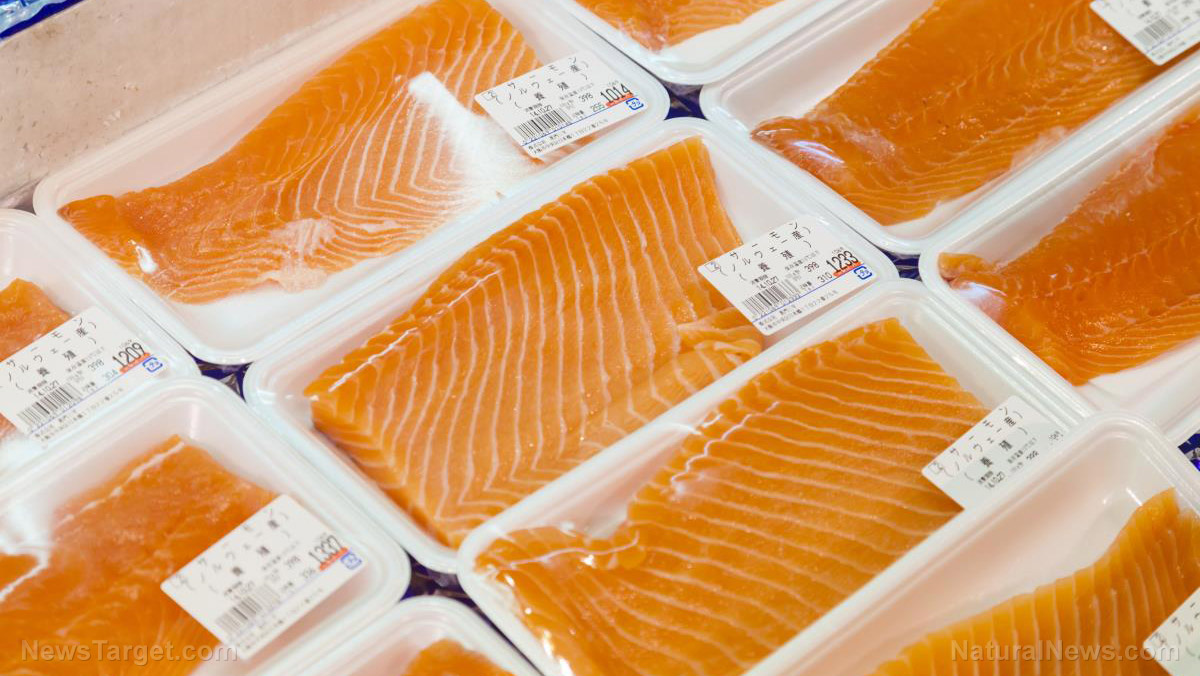
Vegetables alone cannot solve calcium deficiency without attention to vitamin D, which enables calcium absorption. Herring, trout, salmon and fortified mushrooms provide vitamin D that helps the body process calcium from greens.
The practical takeaway: eating a variety of these vegetables throughout the week supports bone health while also delivering fiber, antioxidants and other micronutrients. A cup of cooked mustard greens, for example, provides 165 milligrams of calcium (12.7% DV) plus nearly seven times the daily value of vitamin K.
The bottom line: Vegetables as bone health allies
The evidence is clear: vegetables deserve recognition alongside dairy for calcium contribution. Collard greens, kale, turnip greens, mustard greens and broccoli rabe each provide 12-19% DV per cooked cup. For adults needing 1,000-1,200 milligrams daily, incorporating these greens represents a practical, science-backed strategy for maintaining bone density.
As the population ages and dietary preferences diversify, these findings offer reassurance that bone health does not depend solely on dairy consumption. The path to stronger bones may start in the produce aisle.
Sources for this article include:









Please contact us for more information.


