


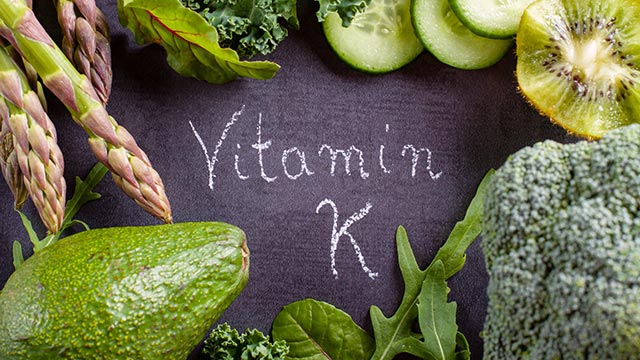
- Vitamin K2 is vital for bone health as it activates the protein osteocalcin, which binds calcium into the bone matrix, increasing bone density and strength.
- Adequate intake of vitamin K2 is associated with a significantly lower risk of bone fractures, particularly in high-risk groups like postmenopausal women.
- Beyond bones, vitamin K2 activates Matrix Gla-Protein (MGP), which prevents harmful calcium deposits in soft tissues like arteries, supporting cardiovascular health.
- Vitamin K comes in two main forms: K1 (from leafy greens) for blood clotting, and K2 (from gut bacteria, fermented, and animal foods) which is especially important for bone and heart health.
- While deficiency is uncommon in healthy adults, it can occur and lead to bleeding issues. Newborns are particularly vulnerable and receive a prophylactic shot to prevent deficiency-related hemorrhaging.
In the vast alphabet of essential nutrients, vitamin K often lingers in the shadows of its more famous counterparts. Yet, this fat-soluble vitamin is a powerhouse, performing critical, life-sustaining functions that have only been fully appreciated in modern science. From ensuring a simple cut stops bleeding to fortifying the skeleton against fracture, vitamin K's role is both fundamental and profound.
What is vitamin K?
Vitamin K is not a single compound but a group of fat-soluble vitamins. The two primary forms that are crucial for human health are vitamin K1 (phylloquinone) and vitamin K2 (menaquinone). Their chemical structure and sources within the diet are distinct. Vitamin K1 is predominantly derived from plant sources, especially green leafy vegetables. Vitamin K2, however, is a product of bacterial fermentation. It is produced by bacteria in the human gut and is also found in certain animal products and fermented foods. A key differentiator from other vitamins is that the body can produce a portion of its own vitamin K2 in the large intestine, a fact that makes outright dietary deficiency relatively uncommon in healthy individuals.
A historical discovery: From clotting chickens to modern medicine
The story of vitamin K began in the 1920s and 1930s with Danish scientist Henrik Dam. He was investigating cholesterol in chicks fed a fat-free diet and noticed they developed spontaneous, severe bleeding. The condition could not be cured by purified cholesterol, leading Dam to conclude a separate, fat-soluble factor was missing. He named it "Koagulationsvitamin," or vitamin K, for its essential role in coagulation. This pioneering work, for which Dam shared the Nobel Prize in Physiology or Medicine in 1943, laid the groundwork for understanding this critical nutrient. Today, with advanced research into its role in bone and cardiovascular health, vitamin K's historical importance has evolved into a modern-day imperative for holistic wellness.
More than just clotting
The importance of vitamin K is rooted in its function as a cofactor for enzymes that activate specific proteins throughout the body.
Blood coagulation: The most well-established role of vitamin K is in the synthesis of proteins required for blood clotting. It is directly involved in the production of at least four of the thirteen key proteins, known as clotting factors, that form a mesh to stop bleeding at the site of an injury. Without adequate vitamin K, this cascade is impaired, leading to a risk of excessive hemorrhage from even minor wounds.
Bone health and mineralization: Vitamin K2 is now recognized as vital for bone metabolism. It activates proteins like osteocalcin, which binds calcium and incorporates it into the bone matrix. This process is essential for maintaining bone density and strength. Research, particularly in postmenopausal women who are at higher risk for osteoporosis, suggests that adequate vitamin K2 intake is associated with a reduced risk of fractures.
Calcium regulation: Vitamin K also helps direct calcium to the appropriate places in the body. It activates a protein called Matrix Gla-Protein (MGP), which inhibits calcium from depositing in soft tissues like arteries and kidneys. By preventing vascular calcification, vitamin K2 is believed to support cardiovascular health, making it a nutrient of significant interest in preventing arterial stiffness.
Recognizing a rare deficiency
True Vitamin K deficiency is uncommon in adults due to dietary sources and internal production by gut bacteria. However, it can occur under specific circumstances. Newborns are particularly vulnerable, as they have low stores of the vitamin and sterile intestines, which is why a prophylactic vitamin K shot at birth is standard practice. In adults, deficiency is typically linked to conditions that impair fat absorption, such as Crohn's disease or cystic fibrosis, or the prolonged use of broad-spectrum antibiotics that destroy the gut bacteria responsible for producing K2.
The primary symptom of a deficiency is bleeding or hemorrhaging. This can manifest as easy bruising, bleeding gums, nosebleeds, heavy menstrual bleeding, or blood in the stool or urine. In severe cases, it can lead to life-threatening internal bleeding.
"The fruits and vegetables that contain vitamin K are: green leafy plants, spinach, cabbage, cauliflower, tomato, peas, carrots and soybeans. Other sources from plants include kelp, alfalfa and mung sprouts," said BrightU.AI's Enoch. "Potatoes and grains are also listed as sources."
Sourcing the vitamin: From garden to gut
A balanced diet easily provides sufficient vitamin K for most people. The sources are clearly divided between the two main forms.
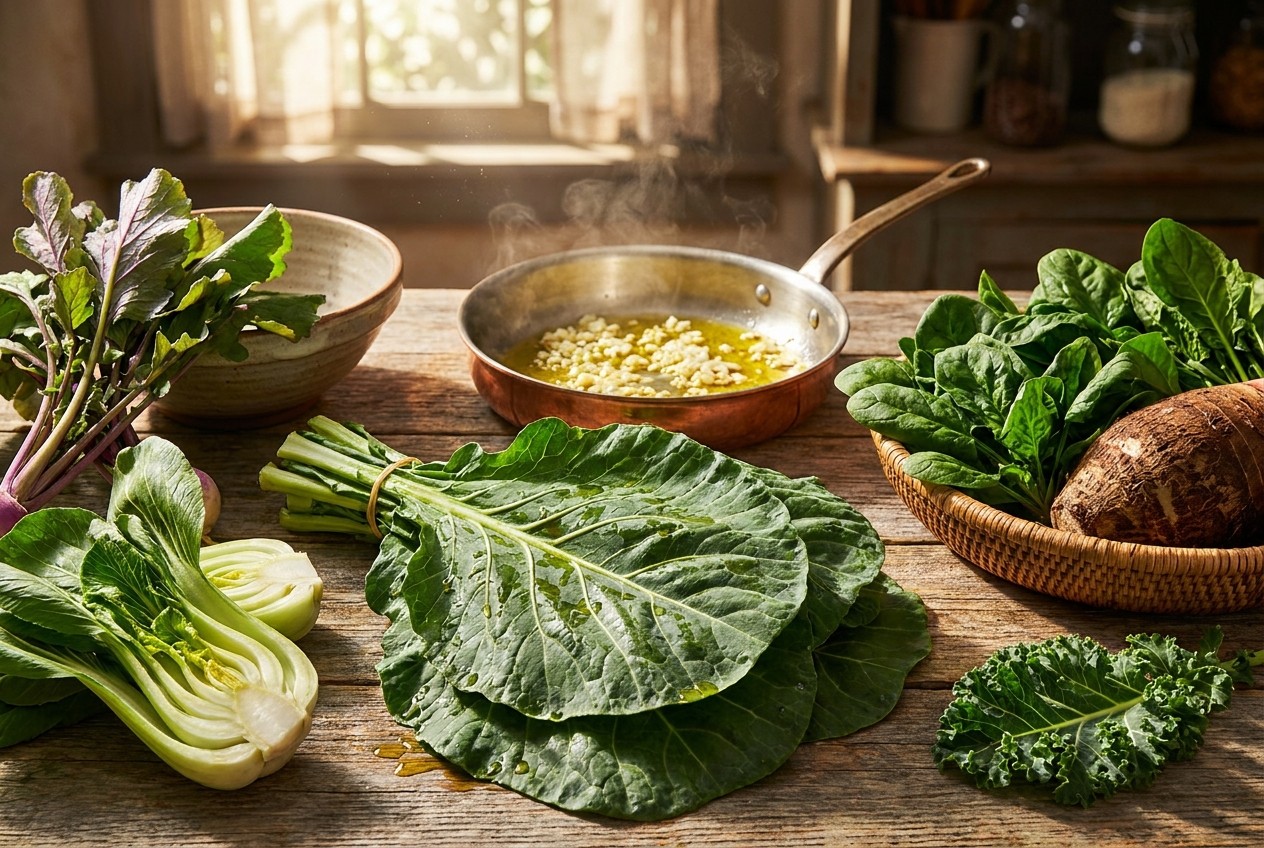
Vitamin K1 (Phylloquinone). This form is abundant in green leafy vegetables. Excellent sources include kale, spinach, collard greens, broccoli and Brussels sprouts. It is also found in plant oils like soybean and canola oil.
Vitamin K2 (Menaquinone). Found in a more varied range of foods, K2 is present in fermented foods like the Japanese dish natto (fermented soybeans), which is an exceptionally rich source. Other sources include hard and soft cheeses, egg yolks, butter and chicken liver. The body's own production in the gut also contributes to K2 status.
Cooking does not significantly destroy vitamin K, and in some cases, cooking leafy greens can make them more compact, potentially allowing for a higher intake per serving. Steaming or sautéing spinach or kale are excellent ways to incorporate cooked vitamin K-rich foods into a diet.
Supplementation and daily needs
Vitamin K is available in standalone supplements and is often included in multivitamins and bone-health formulas. These typically contain either K1 or various forms of K2, such as MK-4 or MK-7. While generally safe, individuals on blood-thinning medications like warfarin (Coumadin) must maintain a consistent vitamin K intake and should not start supplements without medical supervision, as it can interfere with the drug's efficacy.
The Recommended Daily Intake, expressed as Adequate Intake (AI), is 120 micrograms (mcg) for adult men and 90 mcg for adult women. This amount is readily achievable through a diet rich in vegetables. For context, a single half-cup serving of cooked kale provides over 500 mcg of vitamin K1, far exceeding the daily requirement.
As research continues to unveil the distinct benefits of K2 for bone and heart health, this unsung vitamin is finally receiving the recognition it deserves as a cornerstone of preventative wellness.
Watch and learn about the health benefits of Vitamin K.
This video is from Holistic Herbalist channel on Brighteon.com.
Sources include:










Please contact us for more information.


