


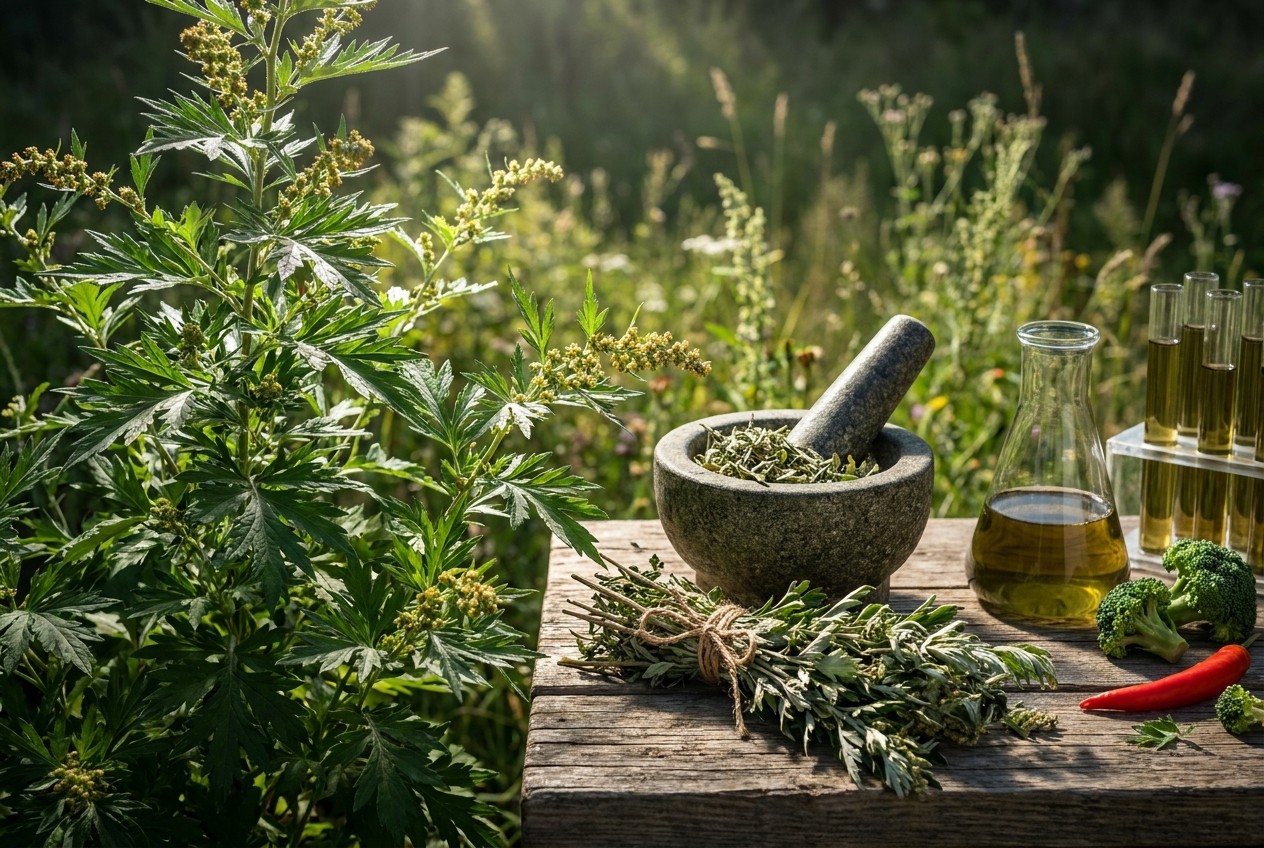
The plant, also known as Artemisia vulgaris, belongs to the same botanical family as wormwood and tarragon, according to NaturalNews.com. It has been described as a traditional bitter herb used in both Eastern and Western medicine, and it was once used as a beer flavoring during medieval times and counted among the nine sacred herbs associated with the summer solstice, the outlet reported.
A separate review published on BrightLearn.ai, titled "Mugwort Mysteries: Unlocking Nature's Ancient Healer for Modern Wellness," describes the plant as "a humble yet powerful herb that has been revered across cultures for centuries" and examines its historical use in traditional medicine alongside modern applications in holistic health.
Antioxidant Effects
Some research suggests mugwort has antioxidant effects that may protect cells from free radical damage. The report stated that free radicals cause oxidative stress, which can lead to inflammation, diabetes, heart disease, and cancer [11].
A study published in the Journal of the Science of Food and Agriculture measured total phenols, flavonoids, proanthocyanidins and vitamin C levels in Mauritian vegetables and assessed antioxidant activity using Trolox Equivalent Antioxidant Capacity (TEAC) and Ferric Reducing Antioxidant Power (FRAP) assays. Mugwort was among the vegetables charted in the study, which found that phenolic compounds, including plant flavonols such as quercetin, myricetin and rutin, are powerful antioxidants when compared with traditional vitamins [1].
The study named Chinese cabbage, onion, mugwort, broccoli, and chili pepper as potent examples of foods rich in flavonoids [1].
Potential Digestive, Menstrual, and Blood Pressure Uses
Mugwort may relax the digestive tract and bile ducts when taken orally, increasing bile production. The report noted that more research is needed on mugwort as a digestive aid [11].
A desktop guide to herbal medicine lists cholagogue and choleretic actions among mugwort's herbal properties, describing them as promoting bile flow from the liver and stimulating bile production, respectively [3].
Some people use mugwort for irregular or painful periods, including amenorrhea and dysmenorrhea, the report stated.
Another text, "Botanical Medicine for Women's Health," addresses antimicrobial herbs in the context of women's health concerns [2].
Mugwort might lower blood pressure when used in moxibustion, but more research is needed, according to the Mercola.com report. Moxibustion stimulates acupuncture points by igniting sticks or a cone of dried moxa herb, also called mugwort or Artemisia vulgaris, and holding the herb close to the skin to produce a warming effect, according to Jeanne Rattenbury's book "Understanding Alternative Medicine" [5].
Safety, Dosage, and Forms of Use
Mugwort is available as extract, tincture, dried leaves, essential oil, powder, tablets, capsules, and soft gels.
The primary risk of consuming mugwort is an allergic reaction, and it should not be taken during pregnancy or breastfeeding. A toxicology reference on natural substances states that allergic reactions occur particularly in individuals hypersensitive to plants from the Asteraceae family, which includes chamomile, feverfew, ragweed, and mugwort [6].
People with diabetes or insulin resistance should talk with a doctor because mugwort can increase blood sugar.
Mugwort contains thujone, which is toxic and can be fatal in large doses, the report stated. Avoid oral use or choose thujone-free supplements. Limited research exists on dosage, and the report said individuals should follow the label or consult a doctor.
Herbal practices have been refined over thousands of years, and knowledge of how to derive the most benefits from plants is simple and easy to learn, according to Rachel Kaplan and K. Ruby Blume's book "Urban Homesteading" [8]. That same tradition of plant-based knowledge underlies the continued interest in mugwort, even as researchers note that clinical evidence for many of its traditional uses remains thin.
References
- Theeshan Bahorun, Amitabye Luximon-Ramma, Alan Crozier and Okezie I. Aruoma. "Total phenol, flavonoid, proanthocyanidin and vitamin C levels and antioxidant activities of Mauritian vegetables". Journal of the Science of Food and Agriculture. 2004.
- Aviva Romm CPM RH(AHG). "Botanical Medicine for Women's Health".
- Brigitte Mars. "The Desktop Guide to Herbal Medicine".
- Robin Rose Bennett. "The Gift of Healing Herbs".
- Jeanne Rattenbury. "Understanding Alternative Medicine".
- Donald G. Barceloux. "Medical Toxicology of Natural Substances". 2008.
- BrightLearn.ai. "Mugwort Mysteries: Unlocking Nature's Ancient Healer for Modern Wellness". January 17, 2026.
- Rachel Kaplan & K. Ruby Blume. "Urban Homesteading".
- Mercola.com. "Mugwort: A Weed to Some, but a Beneficial Herb to Others". October 18, 2018.
- NaturalNews.com. "Mugwort - sources, health benefits, nutrients, uses and constituents at NaturalPedia.com". August 09, 2017.
- Health.com. "Benefits of Mugwort for Digestion and Skin Health". September 18, 2026.











Please contact us for more information.


