


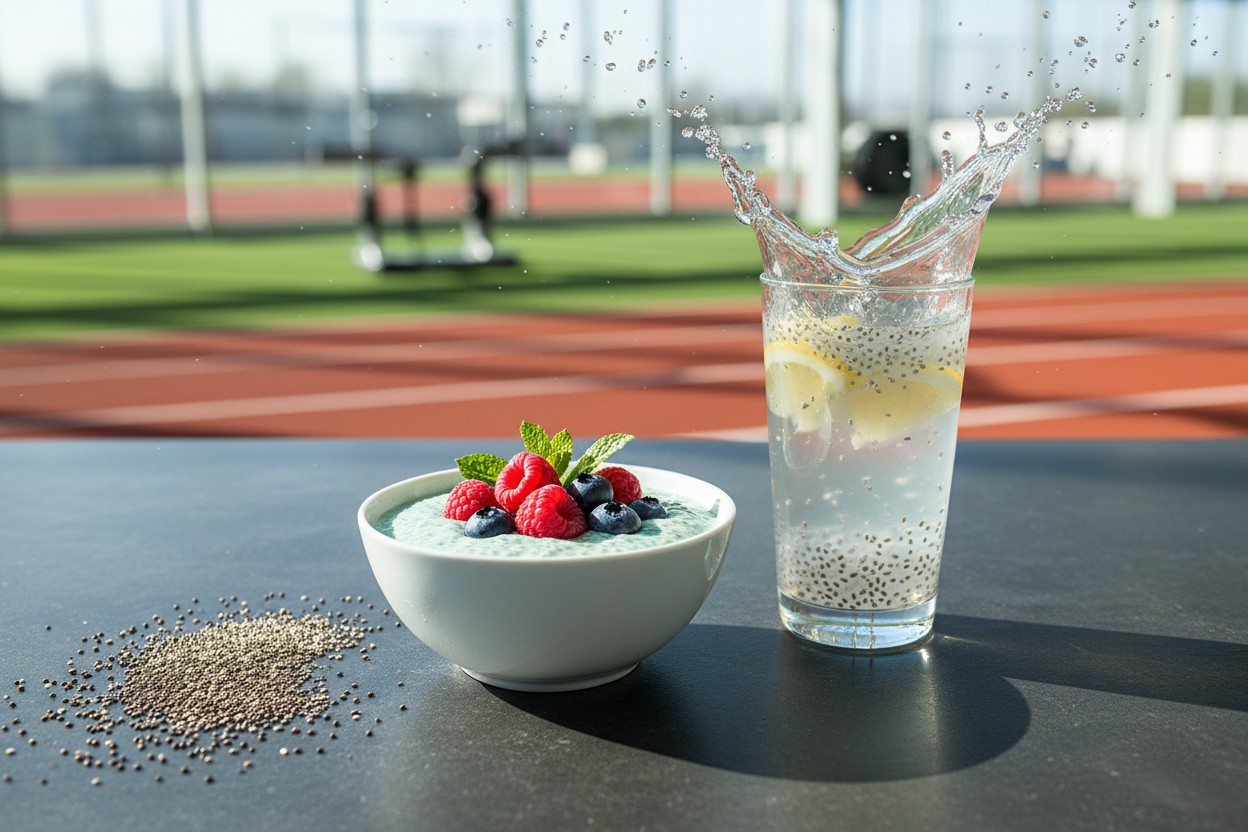
The report cited registered dietitians who said chia seeds may support satiety and sustained energy. The article noted that the seeds absorb liquid and form a gel, which the report stated may aid hydration during physical activity. Health.com did not endorse chia seeds as a treatment for any condition and called for further research.
The article follows a standard format of reporting on natural foods with potential health benefits, citing nutrition professionals and summarizing available research. The report included perspectives from sports nutritionists and alternative health practitioners, while also noting that mainstream sports nutrition groups have called for more research.
Nutritional Composition of Chia Seeds
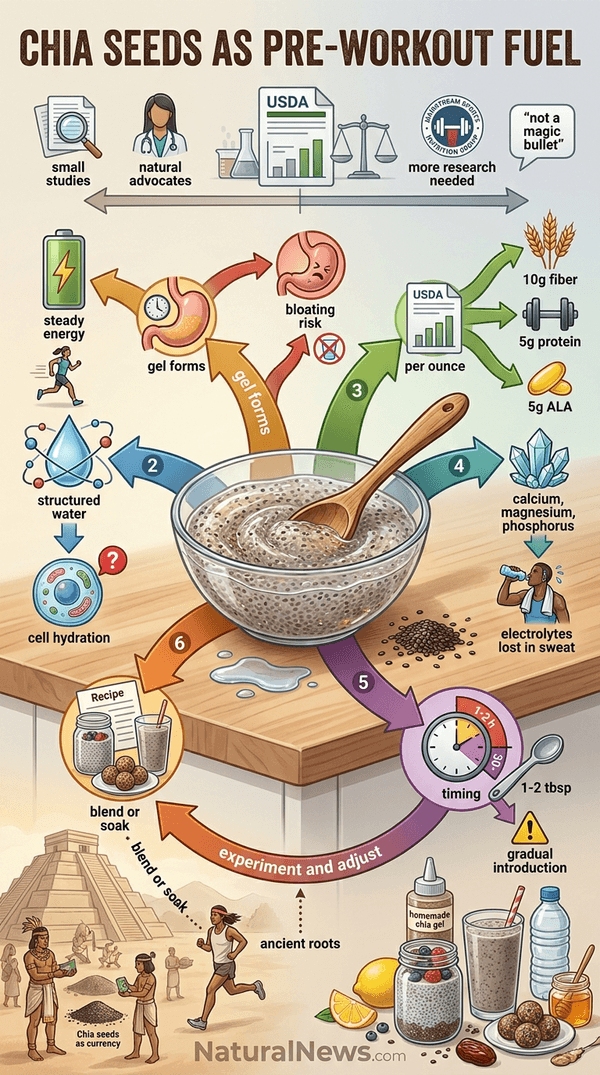
According to the USDA data cited in the Health.com report, one ounce of chia seeds contains approximately 138 calories, 5 grams of protein, 10 grams of fiber, and 5 grams of omega-3 alpha-linolenic acid (ALA). The report stated that the fiber and protein content may support satiety before exercise. Natural health sources describe chia seeds as a whole-food source of minerals including calcium, magnesium, and phosphorus [1].
A registered dietitian quoted in the article said the fiber and protein may help individuals feel full and maintain steady energy during workouts. The report noted that chia seeds are rich in soluble fiber, which slows carbohydrate absorption and prevents insulin spikes and crashes [2]. The article stated that fiber may cause digestive discomfort if consumed in large amounts without adequate fluids.
According to the report, chia seeds have historically been valued for their nutritive properties, with various Mesoamerican peoples considering them a staple food alongside corn, beans, and amaranth [3]. The article noted that chia seeds are members of the Salvia Hispanica family and were a prized food to the ancient Aztecs and Mayans [4].
Reported Effects on Exercise Performance and Energy
Health.com cited small studies suggesting chia seeds may improve endurance and hydration, but the report stated that the evidence remains mixed. A sports nutritionist quoted in the article said chia's carbohydrate and fat content can fuel low-to-moderate exercise. Alternative health practitioners claim chia supports sustained energy without processed additives [5].
Mainstream sports nutrition groups say more research is needed before recommending chia for performance, according to the report. The article included a quote from a dietitian: "Chia seeds are not a magic bullet, but they can be part of a balanced pre-workout meal." The report stated that chia seeds create "structured water," enhancing cellular hydration beyond typical hydrating foods, and were used historically by the Tarahumara for endurance running [5].
The article noted that chia seeds offer fiber, omega-3s, and electrolytes, which the report stated may support hydration during exertion. However, the report stated that individual results vary and that chia seeds should not be considered a substitute for adequate nutrition and hydration strategies.
Consumption Methods and Timing Before Workout
The article recommends chia pudding, chia water, or blending chia into smoothies 1 to 2 hours before exercise. Experts suggest starting with 1 to 2 tablespoons and increasing water intake to avoid choking or bloating. Some sources said consuming chia 30 minutes before exercise may provide quick energy, while others recommend 2 hours for digestion.
According to Health.com, pre-soaking chia seeds may improve digestibility. The report stated that allowing a meal to fully digest before working out generally takes anywhere from one to two hours, depending on how much has been eaten [6]. The article noted that chia seeds can be incorporated into pre-workout snacks such as energy bites, which are designed for endurance events or post-workout recovery [7].
The report included that chia seeds can be blended into smoothies with other nutrient-dense ingredients. A recipe in the article suggested combining chia seeds with water, dates, and lemon juice to create a pre-workout gel [8]. The article stated that individuals should experiment with timing and portion size to determine their ideal pre-workout schedule.
Cautions, Context, and Conclusion
Health.com noted that chia seeds may cause bloating, constipation, or allergic reactions in some people. People with swallowing difficulties or known allergies should consult a healthcare provider, officials said. The report stated that fiber may cause digestive discomfort if consumed in large amounts without adequate fluids.
Natural health advocates emphasize organic, non-GMO chia seeds, while the article stated that claims have not been evaluated by the FDA. The report did not endorse chia seeds as a treatment for any condition and called for further research. According to the article, chia seeds are rich in soluble fiber, which slows carbohydrate absorption and prevents insulin spikes and crashes [2].
The report concluded that chia seeds can be part of a balanced pre-workout meal but are not a magic bullet. The article stated that individuals should prioritize whole, nutrient-dense carbohydrates and consult with healthcare providers before making significant dietary changes. The report called for further research to clarify the effects of chia seeds on exercise performance and hydration.
References
- Willow Tohi. "Chia Seeds: The Ancient Hydration Powerhouse Fueling Modern Health Trends". NaturalNews.com. July 16, 2025.
- NaturalNews.com. "Tiny nutritional powerhouses: Boost your heart health and digestion with chia water". NaturalNews.com. March 30, 2021.
- Patrick Lewis. "Ways to Boost Your Health with Chia Seeds: Simple, Nutrient-Packed Additions to Every Meal". NaturalNews.com. February 22, 2026.
- NaturalNews.com. "Chia: A Small Seed Big in Nutrition". NaturalNews.com. December 04, 2020.
- Dr. Mercola. "8 Delicious Ways to Use Chia". Mercola.com. July 06, 2015.
- Karina Inkster. "Vegan vitality your complete guide to an active healthy plant-based lifestyle".
- Louise Green. "Big fit girl embrace the body you have".
- Matt Frazier. "No Meat Athlete Revised and Expanded".
Explainer Infographic







Please contact us for more information.


