


- A study of 150 adults aged 50-80 found better physical function linked to better hearing.
- Every 10-point increase in physical function reduced hearing threshold by 1.35 decibels.
- Systolic blood pressure did not explain the connection between physical function and hearing.
- Age increased both blood pressure and hearing loss, but physical function remained protective.
- Researchers suggest physical activity supports blood flow to inner ear and reduces inflammation.
Hearing loss is not inevitable
A study published this year examining 150 adults between 50 and 80 years old has revealed that better physical function is associated with better hearing—and the connection appears independent of blood pressure. The research, conducted by scientists testing the "common cause" theory of aging, found that people who scored higher on physical function, including everyday abilities like walking, climbing stairs and managing self-care, tended to have better hearing outcomes. This matters because hearing loss affects approximately one in three adults over 50, and many assume deterioration is an unavoidable part of aging.
The study: What researchers discovered
Researchers measured physical function through participant questionnaires, recorded systolic blood pressure, administered hearing tests at various frequencies, and conducted cognitive assessments. Using Bayesian generalized structural equation modeling, they found that every 10-point increase in physical function resulted in a 1.35 decibel improvement in hearing threshold—independent of systolic blood pressure.
Age remained a factor. Every 10-year increase in age raised systolic blood pressure by 7.5 mm Hg and worsened hearing by 8.78 decibels. Men showed poorer hearing than women. However, the relationship between physical function and hearing held strong even when accounting for these variables.
Why blood pressure didn't explain the link
The "common cause" theory of aging suggests that changes in blood vessel health could explain declines in physical function, hearing and cognition. But this study found that systolic blood pressure did not mediate the relationship between physical function and hearing.
Researchers pointed to alternative explanations. Physical activity supports blood flow to the inner ear, reduces inflammation and cellular stress, and protects small blood vessels. Movement also supports nerve health and energy-producing cells—both essential for the delicate hair cells and auditory nerves inside the ear that enable hearing.
Historical Context: Why this news matters today
The misperception that hearing loss is inevitable has persisted for decades. As audiologist Christopher Spankovich noted, so-called age-related hearing loss actually reflects a lifetime of general health, lifestyle choices, noise exposure, ototoxic medications and genetics.
Excessive noise exposure remains one of the most preventable causes of hearing loss. The Occupational Safety and Health Administration sets 140 decibels as the limit for impulse sounds, yet a single gunshot from an AR-15 rifle can exceed 180 decibels. Everyday devices pose risks, too: standard earbuds at maximum volume reach approximately 105 decibels, and the "80-90 rule" recommends listening at no more than 80% volume for 90 minutes maximum.
This study adds to mounting evidence that hearing health is influenced by what happens throughout the body, not just the ears.
Take action: Protect your hearing at any age
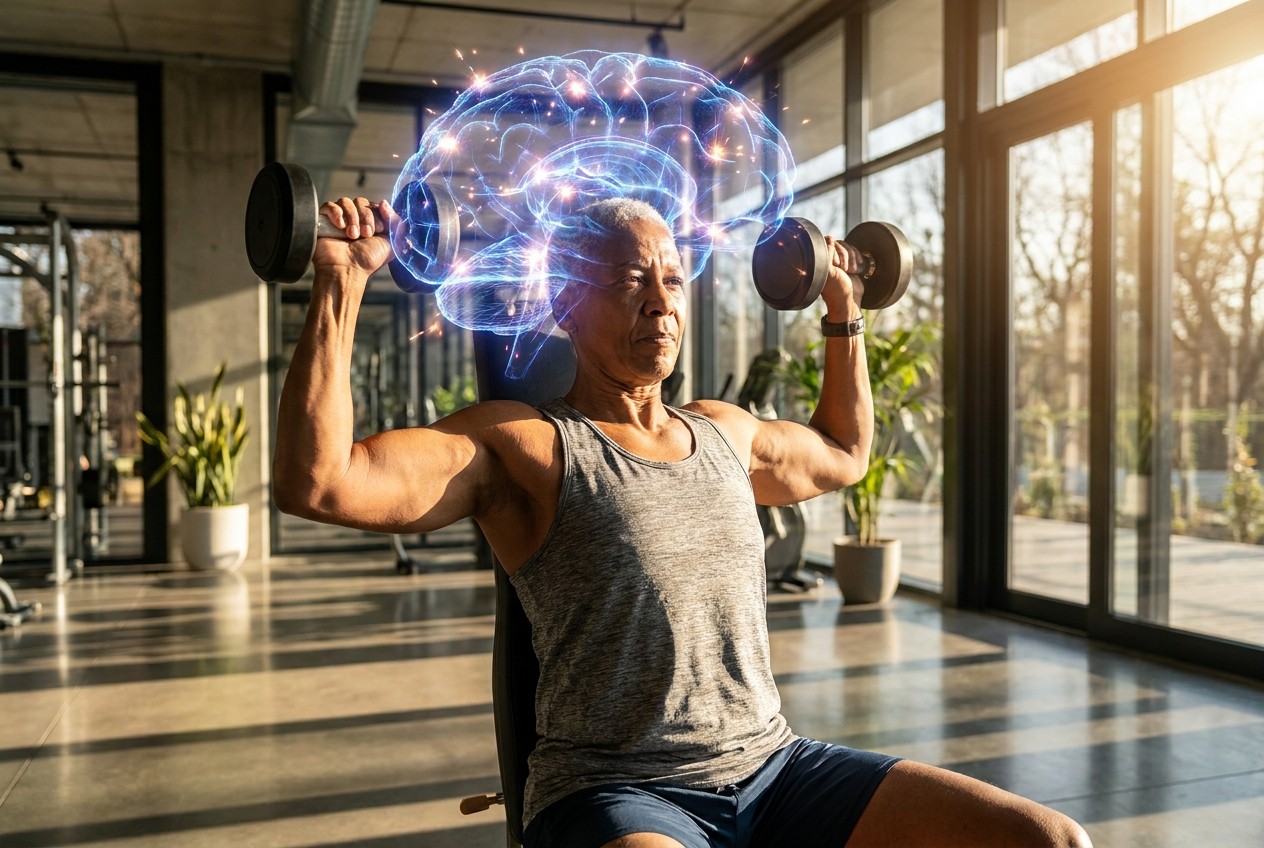
Physical function does not require exceptional fitness. In this study, it meant managing everyday activities and moving through daily life. Regular walking, resistance training and balance exercises can help maintain these abilities with age.
For noise protection, music earplugs costing $10-12 offer flat frequency filtering that preserves sound quality while reducing volume. Sound-isolating headphones allow safer listening in noisy environments. And if conversations become harder to follow or the television volume creeps upward, a hearing check can identify changes early.
Movement as medicine
The connection between physical function and hearing adds to a growing body of evidence that healthy aging requires whole-body approaches. While this study cannot prove that exercise prevents hearing loss, it strongly suggests that maintaining strength, mobility and everyday function supports sensory health in ways that extend far beyond the ears. For adults over 50, the prescription may be simple: keep moving.
Sources for this article include:










Please contact us for more information.


