



- Women with the highest blood carotenoid levels had a 48% lower risk of lethal breast cancer.
- The 30-year study tracked 6,099 women from the Nurses' Health Study with no cancer at baseline.
- Beta-carotene alone was linked to a 41% lower risk, while combined carotenoids showed the strongest effect.
- Retinol, the animal-derived form of vitamin A, showed no protective benefit, pointing to carotenoids themselves.
- Researchers say whole foods, not supplements, are the safest way to get these protective pigments.
A major new analysis of 6,099 women tracked for up to three decades has found that those with the highest circulating levels of natural plant pigments called carotenoids faced a dramatically lower risk of developing lethal breast cancer—up to 48% less than women with the lowest levels.
The findings, drawn from stored blood samples in the long-running Nurses' Health Study, offer some of the strongest evidence yet that what women eat may influence their odds of surviving the disease. The research found the protective effect was strongest among postmenopausal women, women who had ever smoked, and those with lower body mass.
What the 30-year data showed about carotenoids and cancer
The research team analyzed blood samples collected from female nurses who had no cancer diagnosis at the time of donation. Over the following three decades, 2,583 women developed invasive breast cancer. Of those, 190 experienced a recurrence or died from the disease.
Women in the highest bracket for blood beta-carotene had a 41% lower likelihood of falling into that lethal group than women in the lowest bracket. When scientists combined measurements of multiple carotenoids—including alpha-carotene, beta-cryptoxanthin, lycopene, and lutein/zeaxanthin—the pattern became even clearer: the top group showed a 48% lower risk of lethal breast cancer.
Notably, beta-cryptoxanthin also correlated with reduced risk, though less dramatically. The researchers measured retinol, the pre-formed vitamin A found in animal foods, as a comparison, and it showed no protective effect whatsoever.
Why nutrient source matters more than you'd think
The retinol finding is crucial. It suggests the benefit comes from carotenoids themselves, not simply from having more vitamin A circulating in the body. But the study's authors caution against treating these results as a reason to reach for a supplement bottle.
These women's blood levels reflected dietary patterns, including what they ate and how their bodies processed it. No one in the study took a carotenoid pill. And the researchers pointed to earlier clinical trials in which high-dose synthetic beta-carotene supplements were linked to higher, not lower, lung cancer rates among smokers—a reminder that isolating a nutrient into pill form doesn't guarantee the same benefit as eating the whole food.
Colorful vegetables offer more than just cancer protection
The same pigments tied to lower lethal breast cancer risk also benefit the eyes. Lutein and zeaxanthin, two carotenoids abundant in leafy greens, have shown particular promise in helping prevent or slow macular degeneration, an eye disease linked to vision loss.
A separate analysis of national U.S. health survey data collected from 2003 through 2018 found that women who consumed the highest amounts of beta-carotene had a 28% lower all-cause mortality rate, while those getting the most lutein and zeaxanthin showed a 33% reduction. Those findings, published in BMC Public Health, reinforce the idea that these compounds may play a broader role in long-term health. However, as with the breast cancer findings, the study's authors stressed the results show association, not proof of cause and effect.
A practical strategy for adding carotenoids to everyday meals
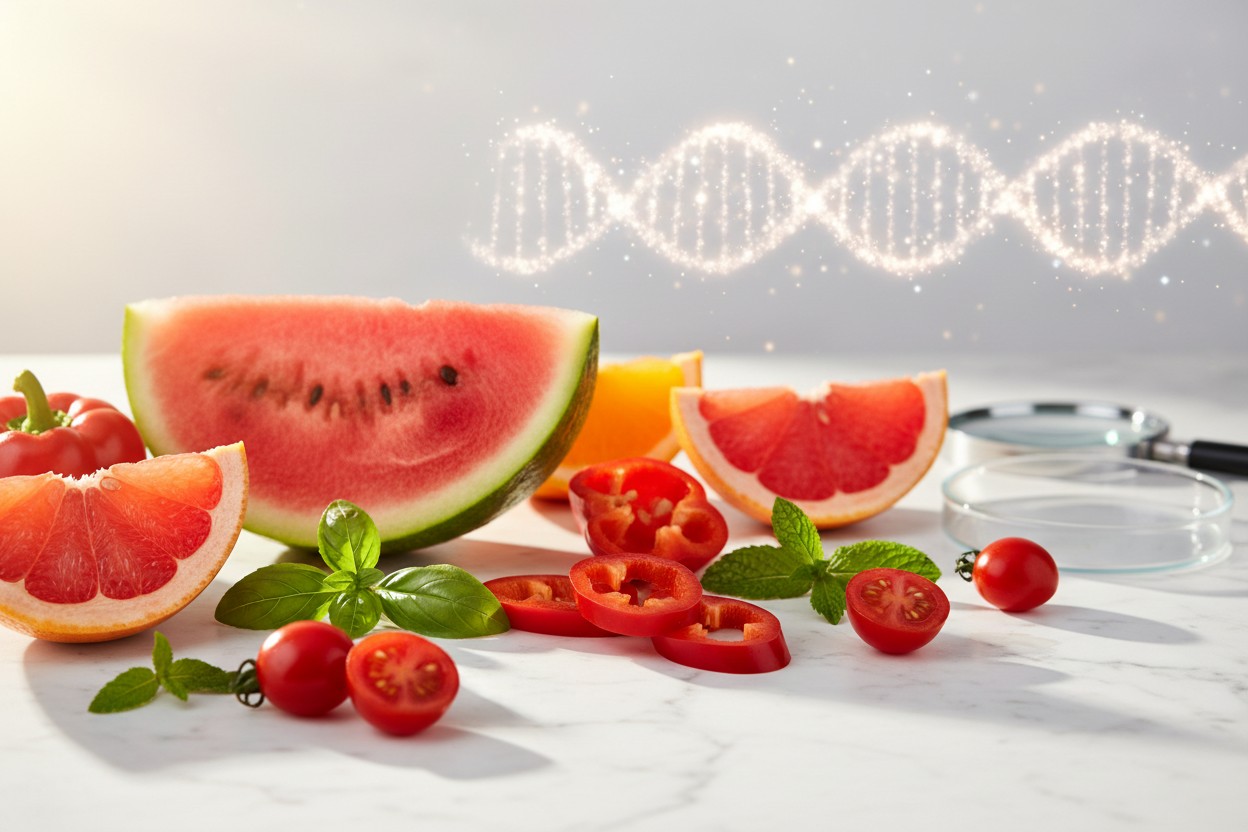
There is no need to track grams or count specific pigments. Carrots, sweet potatoes, winter squash, tomatoes, kale, spinach, red bell peppers, apricots, and watermelon all count. One practical tip: carotenoids are fat-soluble, which means the body absorbs them better when paired with olive oil, avocado, or other healthy fats. Chopping or cooking vegetables also increases surface area, improving absorption.
The findings arrive as a useful counterweight to a health system too often oriented around pills and procedures. No pharmaceutical company profits from a woman eating more carrots and spinach, which may be exactly why research like this receives less attention than the next patented drug trial. The takeaway isn't complicated, and it doesn't require a prescription: a plate built around real, colorful food may do more for long-term health than anything sold in a bottle.
Sources for this article include:






Please contact us for more information.


