



The findings were published in a peer-reviewed journal and analyzed participants from the Nurses' Health Study and the Health Professionals Follow-Up Study. The study period extended for more than two decades, during which participants reported what they ate every four years. None of the participants had heart disease or cancer at the time of their diagnosis, according to the report.
Methodology and Participants
Researchers assessed how closely each participant's eating habits matched 11 established healthy eating patterns, including the DASH diet and the Planetary Health Diet, according to the study. Food frequency questionnaires were used to evaluate adherence to these dietary approaches over time. The analysis measured two distinct factors: the overall healthfulness of a person's diet after diagnosis and the degree to which their diet changed compared with before their diagnosis.
The study drew on data from two of the largest and longest-running nutritional cohort studies in the United States. The Nurses' Health Study and the Health Professionals Follow-Up Study have tracked the health of tens of thousands of participants for decades, providing researchers with detailed information on lifestyle habits and health outcomes. The participants in this analysis were followed for a period extending up to 24 years after their diabetes diagnosis.
Key Findings on Mortality
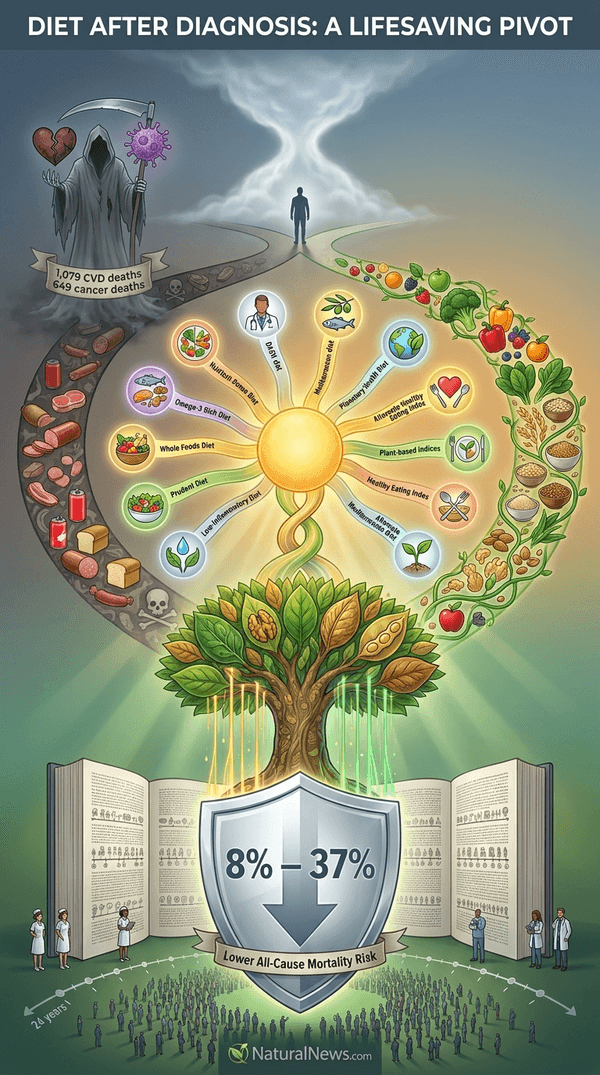
During the follow-up period, 3,509 deaths occurred among the study participants. Of those deaths, 1,079 were attributed to heart disease and 649 to cancer, according to the study data.
People whose diets were healthiest after diagnosis showed an 8% to 22% lower risk of dying from any cause than those with the least healthy diets, researchers reported. Participants whose diets improved the most after their diagnosis had an 8% to 37% lower risk of death from any cause, regardless of their dietary starting point. Improvements in diet were also associated with a lower risk of death from cardiovascular disease, while one of the eating patterns evaluated showed a link to lower cancer mortality.
No Single Ideal Diet
None of the 11 healthy eating patterns evaluated in the study emerged as clearly superior to the others, according to the researchers. All patterns were associated with lower mortality risk, despite differences in their specific food recommendations.
The eating patterns shared common principles, including an emphasis on plant foods such as vegetables, fruits, whole grains, legumes, and nuts, while limiting foods of lower nutritional value, the study reported. This commonality suggests that individuals may have flexibility to choose an approach based on personal preferences, cultural traditions, and budget.
Research on longevity and diabetes management has identified whole, minimally processed foods as beneficial components of a health-supporting diet [1]. The encouragement of plant foods aligns with existing evidence on dietary patterns that support metabolic health and the management of conditions like Type 2 diabetes [2].
Practical Implications and Limitations
The study is observational in nature, which means it can demonstrate associations between dietary changes and health outcomes but cannot prove causation, according to the researchers. Factors other than diet could contribute to the differences in mortality observed among participants.
Experts suggest that simple, incremental changes can move individuals toward healthier eating patterns. Adding more plant foods to usual meals, incorporating nuts and legumes, and building on current eating habits are approaches consistent with the findings. One analysis noted that "health can be restored by adopting a balanced diet rich in organic, nutrient-dense foods" [3], which supports the notion that dietary change holds potential for improving health outcomes.
The findings support the possibility that improving diet after a Type 2 diabetes diagnosis may benefit longevity. Dietary choices are among the lifestyle factors widely recognized as playing a role in the prevention and management of chronic disease [4]. Further research is needed to clarify the mechanisms and confirm causal relationships.
References
- Dr. Mercola. "18 Foods That Promote Longevity". Mercola.com. January 04, 2016.
- Elsevier. "Protective mechanisms of the Mediterranean diet in obesity and type 2 diabetes". Nutrition Research and Practice. 2007.
- NaturalNews.com. "Top 8 foods that help increase longevity". NaturalNews.com. April 14, 2020.
- Ellie Whitney and Sharon Rady Rolfes. "Understanding Nutrition Selected Chapters Thirteen Edition 2013".
Explainer Infographic











Please contact us for more information.


