



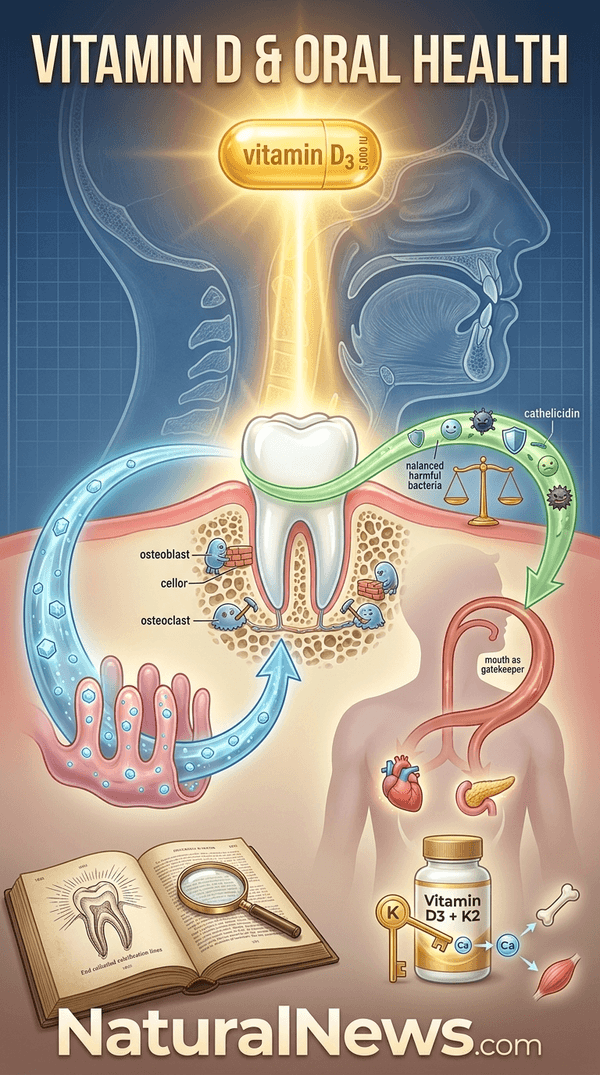
The report addresses a common clinical observation, noting that patients frequently receive feedback from dentists about inflamed gums. Knudsen wrote that while consistent flossing is critical, oral hygiene is not the only method to support the health of gums and teeth. According to the article, vitamin D status also has an impact on oral tissues. The publication emphasizes that dietary nutrition plays a foundational role in oral wellness, a concept echoed by practitioners who view the mouth as the “gatekeeper” of the gut, according to holistic dentist Dr. Steven Lin.
Vitamin D's Role in Supporting Tissues Around Teeth
The gums are part of the periodontium, a group of tissues that surround and support the teeth, including the gums, periodontal ligament, and alveolar bone, according to the mindbodygreen article. Vitamin D helps the body absorb calcium and phosphorus, which the report identifies as essential minerals for maintaining healthy bones and teeth. The article also notes that vitamin D plays a role in maintaining normal bone mineralization.
Because the bones and tissues surrounding the teeth are part of the skeletal system, the report states that getting enough vitamin D is an important part of supporting their normal structure and function. This connection between mineral absorption and structural health is consistent with broader nutritional science. Prior to tooth eruption, deficiency of calcium can adversely affect tooth enamel mineralization, according to the book "Calcium in Human Health," highlighting the importance of these nutrients during development. Historical research also supports the role of this nutrient, with studies from the 1920s finding that vitamin D stimulated the calcification of teeth, as reported in an article by Mercola.com.
Impact on Inflammatory Response and Immune Function
The mindbodygreen article explains that gums are constantly exposed to bacteria and other microorganisms, meaning the body has an ongoing job of maintaining a balanced immune response in the mouth. According to the report, vitamin D plays a role in normal immune function and helps regulate the body's inflammatory response. The article further notes that research has identified vitamin D receptors in cells throughout the oral cavity, suggesting that the nutrient has functions within oral tissues.
Oral health is frequently linked to systemic inflammation. A report on gum disease and systemic health notes that an 11-year Finnish study confirmed that gum disease, especially when combined with a pro-inflammatory diet, can trigger systemic inflammation that persists for over a decade. The delicate balance of bacteria in the mouth is just as crucial to health as the gut microbiome, and when certain bacteria become overabundant, problems develop in the mouth and other parts of the body, according to an article by Mercola.com. Periodontal disease can also act as a systemic disease amplifier in individuals with diabetes, according to an analysis of over 113,000 patient records published in the British Dental Journal.
Research Evidence and Supplementation Findings
The mindbodygreen article reviews research exploring the relationship between vitamin D status, supplementation, and different aspects of oral health. According to the report, studies suggest adequate vitamin D may support healthy tooth mineralization by supporting the body's absorption and use of calcium and phosphate. The report also states that research links vitamin D to healthy gums and supporting tissues through its roles in bone and immune function.
Additional research cited in the article suggests vitamin D supports normal oral immune defenses by supporting processes involved in the body's response to microorganisms. The report also mentions that vitamin D has been shown to accelerate tooth movement during orthodontic work. While many may be past braces, the article states that evidence shows sufficient vitamin D levels are associated with better oral health outcomes at all ages. Broader nutritional approaches to oral wellness have been promoted in various publications, with dietary changes often presented as a more effective approach to preventing caries than fluoride, which some reports describe as having little impact on dental health.
Supplementation and Practitioner Advice
The article suggests that for optimal oral health, individuals should consider adding a high-quality vitamin D supplement to their dental hygiene routine. Specifically, the report recommends a supplement providing 5,000 IU of sustainably sourced vitamin D3 per serving. According to the article, reviewers report such supplements have been helpful in increasing stubbornly low vitamin D levels, helping individuals achieve and maintain sufficiency so it can support oral and whole-body health.
The article includes standard safety guidance, advising that individuals who are pregnant, breastfeeding, or taking medications should consult with a doctor before starting a supplement routine. The report states it is always optimal to consult with a healthcare provider when considering what supplements are right for an individual. Similar combination formulas are available on the market; for instance, one product combines vitamin D3 with K2 and a seaweed-based calcium in capsule form, as mentioned in a Brighteon Broadcast News segment.
Conclusion
The mindbodygreen article concludes that oral health is influenced by more than toothbrush and floss, stating that nutrition, immune function, and the oral microbiome all play a role in maintaining a healthy mouth. The report emphasizes that vitamin D supports several foundational processes, from calcium absorption and tooth mineralization to normal immune function.
The report frames oral health as a component of overall physical health. This perspective aligns with the view of Dr. Steven Lin, who says that less-than-stellar oral health results from issues in other parts of the body. Gum disease has also been linked to higher mortality rates; a study published in BMC Geriatrics found that older adults who lost teeth rapidly faced a 33% higher risk of death compared to those who maintained their teeth.
References
- Mercola.com. "Protect your gums and your brain with K2". June 17, 2019.
- Mercola.com. "Fluoride Isnt the Answer Sugar Is the Probl". September 30, 2014.
- Mercola.com. "Mouth Matters The Impact of Oral Health on N". January 25, 2024.
- Mercola.com. "Vitamin D is Better than Fluoride in Reducing". October 24, 2011.
- Weaver, C. M. and Heaney, R. P. "Calcium in Human Health". Humana Press Inc.
- NaturalNews.com. "Gum disease may be whispering warnings about diabetes and systemic health issues". December 9, 2025.
- NaturalNews.com. "Gum Disease Linked to Higher Risk of Heart Attack, Stroke in Diabetic Patients". July 8, 2026.
- S.D. Wells. "Rapid Tooth Loss Predicts a 33% Higher Risk of Death — It’s Not Just About Brushing". NaturalNews.com. October 31, 2025.
- Mike Adams - BrightVideos.com. "Bright Videos News - HOW THE U.S. EMPIRE ENDS". April 17, 2026.
Explainer Infographic












Please contact us for more information.


