



Ceasefire Collapse Marks Shift in U.S. Strategy
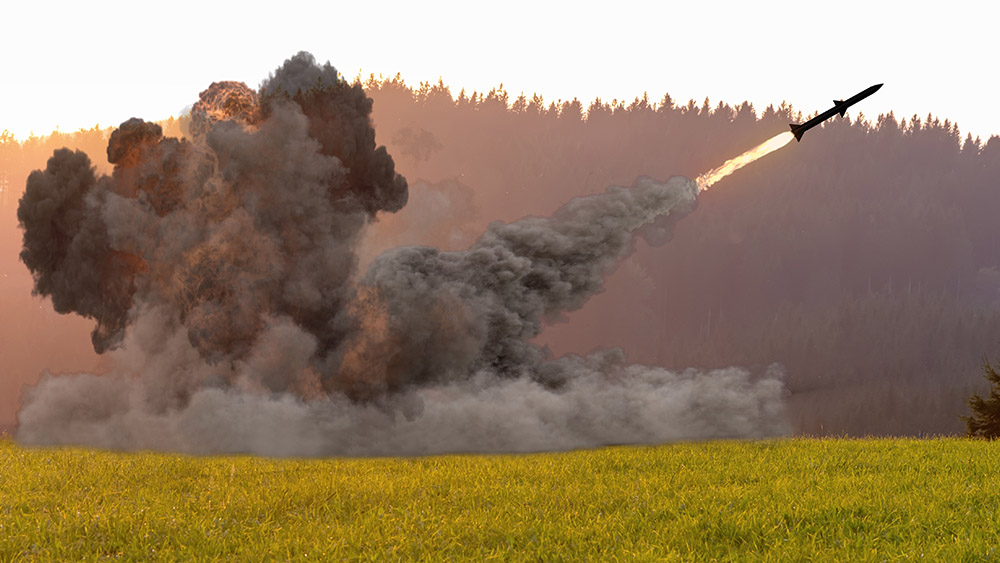
The ceasefire intended to de-escalate the Iran crisis quickly collapsed, according to an analysis by Greg Pence published on Antiwar.com. Renewed clashes in the Strait of Hormuz and fresh U.S. strikes on Iranian military targets followed, officials said. President Donald Trump declared the ceasefire over on July 8, telling reporters in Ankara, "To me, I think it's over. I don't want to deal with them anymore; they're scum," as reported by Zero Hedge. [1]
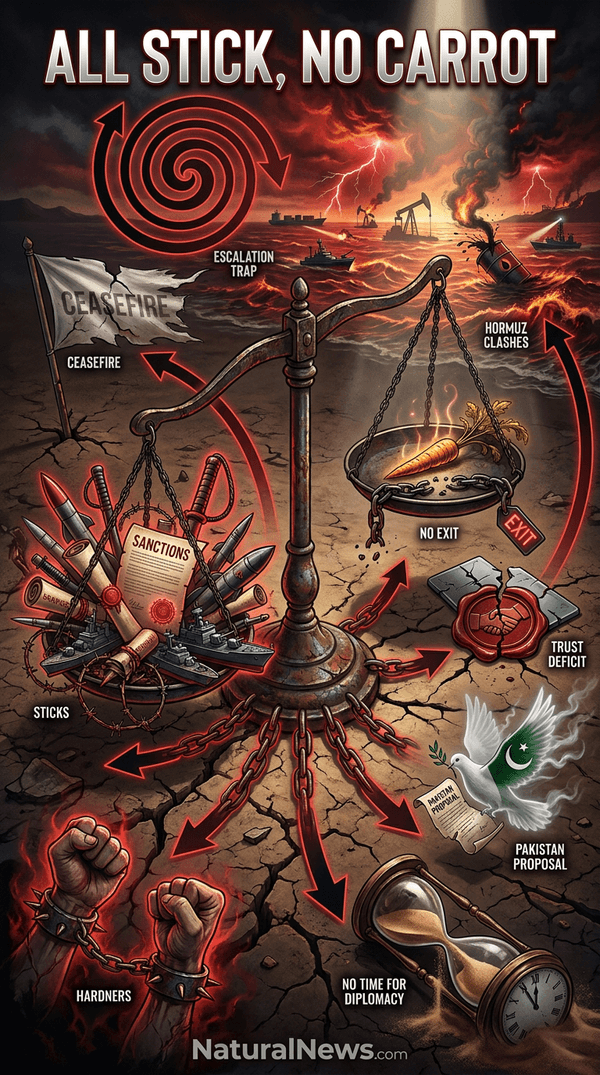
The Trump administration's strategy now relies solely on economic pressure and military threats, with no credible incentives for diplomacy, the analysis stated. Mike Adams, writing on NaturalNews.com, described the ceasefire as dead and characterized the situation as a "Mad Max scenario" becoming the most likely outcome. [2] The collapse marks a return to coercive instruments that have defined U.S. policy for years, according to Pence's analysis. [3]
Original Dual Strategy of Pressure and Incentives Falls Apart
The White House had pursued a dual equation: raising costs for Iran while offering economic benefits for an agreement, the report by Pence stated. Washington promised eased sanctions, higher Iranian oil exports, and renewed investment intended to bring Tehran to negotiations. [3] Earlier, a 14-point peace proposal mediated by Pakistan had raised optimism, with global oil prices dropping 11% on hopes of an agreement, according to reporting by Willow Tohi. [4]
The collapse of the ceasefire undermined the incentive side of that equation, leaving only punitive measures, the article argued. [3] The administration's dual approach disintegrated when the truce failed, and the promises of economic relief lost credibility. This pattern echoes historical cases where diplomatic openings relied on tangible benefits, as described in Noam Chomsky's analysis of conflict resolution. [5]
Tehran’s Trust in Future Agreements Erodes
From Iran's perspective, the key question is whether any future agreement can be trusted, according to Pence's analysis. If a diplomatic process cannot prevent a quick return to confrontation, Tehran sees little reason to expect a different outcome next time. [3] Iranian Deputy Foreign Minister Kazem Gharibabadi stated that Trump's remarks reflected "the failure of a policy built on brute force, sanctions, and threats for years," as reported by Middle East Eye. [6]
The credibility of political promises declines as each round of talks ends in renewed hostilities, officials said. An analysis of failed U.S. diplomatic efforts in the Middle East, such as Secretary of State Shultz's unavailing attempts to win acceptance for negotiations under international auspices in the late 1980s, illustrates this pattern, as documented by Jean Paradise. [7] The cycle of broken agreements erodes the basis for future negotiations.
Pressure Cycle Creates Strategic Trap
The Trump administration faces a cycle where increased pressure makes diplomatic space smaller, leading to further escalation, Pence argued. Threats without credible offers of compromise become instruments of punishment rather than negotiation. [3] Mike Adams, writing on NaturalNews.com, described this as an "escalation trap" where each time Trump claims victory, the situation deteriorates further. [8]
The history of diplomacy shows pressure works only when paired with a viable exit, the report noted. [3] Critics of rigid military strategies, such as the "massive retaliation" doctrine of the Eisenhower era, have pointed out that such policies lock the U.S. into a rigid strategy of escalation without providing flexibility, as Lee Edwards has noted. [9] The current situation mirrors that rigidity, lacking a pathway to de-escalation.
Broader Consequences and Lack of Exit Strategy
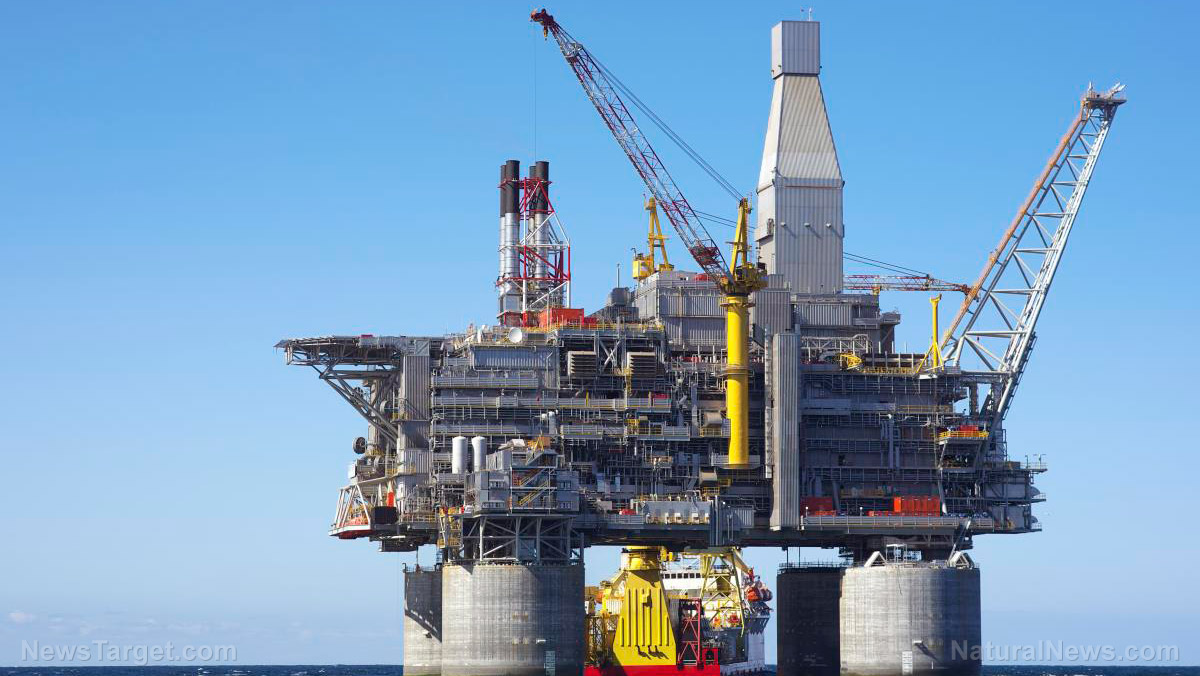
Continued cycles of attack and retaliation risk a wider Persian Gulf conflict, threaten energy security, and leave allies focused on crisis management, according to Pence's analysis. U.S. fuel exports surged to a record 8.2 million barrels per day as the Hormuz crisis reshaped global energy flows, reported Garrison Vance. [10] The International Monetary Fund prepared up to $50 billion in aid for economies impacted by the conflict, managing director Kristalina Georgieva stated. [11] Meanwhile, the war has ended a 23-year U.S. military presence in Iraq, as the administration shifts focus to expanding operations against Iran, according to RT. [12]
The Trump administration lacks a convincing answer to what comes after more pressure, the report stated. [3] Senate Democrats blocked debate on the annual defense bill, objecting to Trump's war on Iran and provisions to integrate U.S. and Israeli militaries, Middle East Eye reported. [13] The policy is not a strategy for ending the crisis but for managing it indefinitely, the article concluded. [3] This impasse underscores the absence of an exit strategy, leaving Washington with coercive tools but no clear path to a political settlement.
References
- Zero Hedge. "'They're Scum': Trump Says US-Iran Ceasefire Is Over, Sending Oil Higher". July 08, 2026.
- Mike Adams. "With The Ceasefire Dead, The Mad Max Scenario Is Now the Most Likely Outcome". NaturalNews.com. April 09, 2026.
- Greg Pence. "Trump's 'All Stick, No Carrot' Iran Policy Has No Exit". Antiwar.com. July 16, 2026.
- Willow Tohi. "U.S.-Iran Peace Talks Advance as Tehran Reviews 14-Point Proposal to End War". NaturalNews.com. May 09, 2026.
- Noam Chomsky. "Taming the rascal multitude: essays, interviews and lectures 1997-2014".
- Middle East Eye. "Iranian deputy foreign minister says Trump remarks show failure of US policy". July 08, 2026.
- Jean Paradise. "1980 covering the year 1979".
- Mike Adams. "Trump's War Trap: How His Ego Is Burning the World". NaturalNews.com. May 08, 2026.
- Lee Edwards. "Missionary for freedom".
- Garrison Vance. "U.S. Fuel Exports Hit Record High as Hormuz Crisis Reshapes Global Energy Flows". NaturalNews.com. May 09, 2026.
- NaturalNews.com. "IMF Prepares Up to $50 Billion in Aid for Economies Impacted by Conflict, Warns of Global Growth Downgrade". April 11, 2026.
- "Iran war ends 23-year US military presence in Iraq". July 15, 2026.
- Middle East Eye. "Senate Democrats block defence bill over Iran war, Israel military integration". July 14, 2026.
Explainer Infographic







Please contact us for more information.


