


- Metabolism is not a fixed fate. Groundbreaking insights reveal that metabolism remains stable from age 20 to 60 and can be actively controlled through diet, contrary to the belief that it inevitably slows with age.
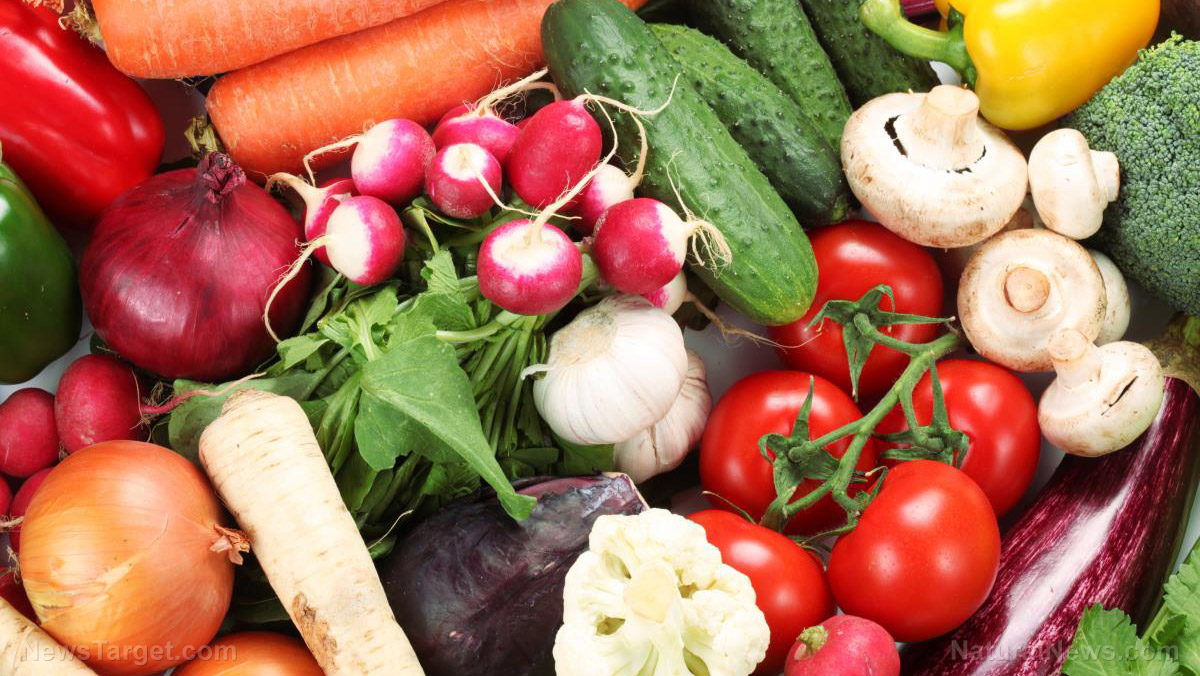
- Carrots help manage fat storage. They contain compounds that calm fat stem cells, making them less likely to create new fat cells, which is associated with lower obesity rates.
- All mushrooms boost metabolic health. They contain the compound beta-glucan, which is proven to "light up" metabolism and help shrink harmful visceral belly fat.
- Beans powerfully activate metabolism. The fiber and polyphenols in beans (like navy beans) decrease visceral fat and increase metabolic rate, with research showing a measurable reduction in waistline.
- Apple cider vinegar (ACV) and coffee are potent metabolic tools. The acetic acid in ACV prevents fat cells from expanding, while the chlorogenic acid and caffeine in coffee enhance calorie burn and fat metabolism.
For decades, people have been sold a lie about metabolism. Many have accepted it as a genetic lottery, a fixed, unchangeable engine that inevitably sputters and slows with each passing birthday, making weight management a relentless battle against our own biology.
But what if that entire premise is false? According to groundbreaking insights from physician and researcher William Li, M.D., it is.
"You are not born with a slow or fast metabolism," Li said. "In fact, your metabolism remains stable from age 20 all the way to age 60, and you can control how it works during that time frame."
This isn't just a motivational platitude; it's a scientific paradigm shift. The key to unlocking this control isn’t found in a miracle pill or a punishing diet, but in the strategic, delicious foods you choose to eat every day.
While people know about powerhouse foods like beetroot, salmon and almonds, Li highlighted a list of surprisingly humble, underrated fridge staples that possess a unique, science-backed ability to "light up" your metabolism.
Let's dive into these five metabolic marvels.
Carrot
Your body fat is more dynamic than you think. It contains stem cells that, when overeating signals come in, can rapidly create new fat cells, essentially building more "fuel tanks" for excess energy.
Carrot is a common crunchy superfood that does something extraordinary: It can actually tame your fat stem cells so they are less likely to make more fat. It acts as a calming agent for the very machinery that expands your fat stores.
This unique function may be why carrots are consistently associated with lower obesity rates and increased cardiovascular protection. They’re not just good for your eyes; they’re a direct line to managing your body’s fat-storage system.
Functional mushrooms
The functional mushroom craze is rooted in powerful science, primarily due to a compound called beta-glucan. This unique plant fiber is renowned for boosting gut health and immunity, but Li pointed to its profound effect on metabolism.
"Beta-glucan also lights up your metabolism," he stated, adding that it helps shrink the visceral fat in your belly. This is crucial, as visceral fat is the harmful type that surrounds internal organs, linked to increased risk of heart disease and Type 2 diabetes.
The best part? You don’t need expensive exotic extracts.
Li confirmed that this bioactive compound is present in all mushroom species, from common white button and cremini to shiitake and portobello. Adding a handful to your omelet, stir-fry, or that bean stew is a simple step for a major metabolic payoff.
Beans
Beans are good for the heart.
And the metabolism? Absolutely. Li specifically praised the unassuming navy bean for its potent impact on healthy body fat.
"They can decrease visceral fat, that harmful fat that can develop even in lean people inside your body," he noted. The effect is so measurable that he cites research showing one cup of beans, five days a week, can shrink your waistline by about an inch over a single month.
The mechanism is a powerful one-two punch of fiber and polyphenols. These compounds "activate our metabolism and unleash our inner metabolism," Li explained.
"So your metabolism increases while your excess body fat shrinks," added Li. It's a win-win from a can.
Apple cider vinegar
Once dismissed by Li himself as "bunk," apple cider vinegar (ACV) has proven its worth through hard data.
The magic lies in its acetic acid content. This compound stimulates fat cells and can prevent them from expanding. Clinical evidence supports this: a study showed that participants who took two tablespoons of ACV daily for 12 weeks saw significant decreases in waist circumference and overall body fat percentage. It's a potent, pantry-ready tonic that deserves its hype.
Coffee
For millions, the day doesn’t start without it. Now, coffee lovers have a new reason to rejoice beyond its cognitive jolt.
Li highlights chlorogenic acid, a compound in coffee that "lights up your metabolism as well as your health defenses."
This is why green coffee bean extract (rich in chlorogenic acid) is often linked to healthy weight and insulin response. And don't forget the caffeine, a clinically proven enhancer of energy utilization (calorie burn) and thermogenic fat burn (lipolysis). Your morning cup is actively participating in your metabolic health with every sip.
Enjoy these simple superfoods and experience the benefits today
As explained by BrightU.AI's Enoch: "The true power of these foods isn't just in eating them individually, but in combining them into a metabolic feast. Imagine a hearty stew of navy beans, shiitake mushrooms and carrots, flavored with metabolism-spiking spices like turmeric and ginger. Pair it with a cup of black coffee and perhaps an ACV tonic later. You're not just eating a meal; you're conducting a symphony of metabolic activation."
Of course, as Li emphasized, these foods are part of a larger ecosystem of wellness that includes sleep, exercise and other dietary pillars like lean proteins (salmon, poultry) and good fats (almonds, pumpkin seeds). But they represent a powerful, accessible starting point.
The message is clear and liberating: Your metabolism is not your fate. It's a dynamic process waiting to be ignited by the foods you already know and love.
The tools for transformation aren't in a distant lab; they're in your kitchen, hiding in plain sight.
Watch this video to learn more ways to increase your metabolism.
This video is from the Daily Videos channel on Brighteon.com.
Sources include:









Please contact us for more information.


