


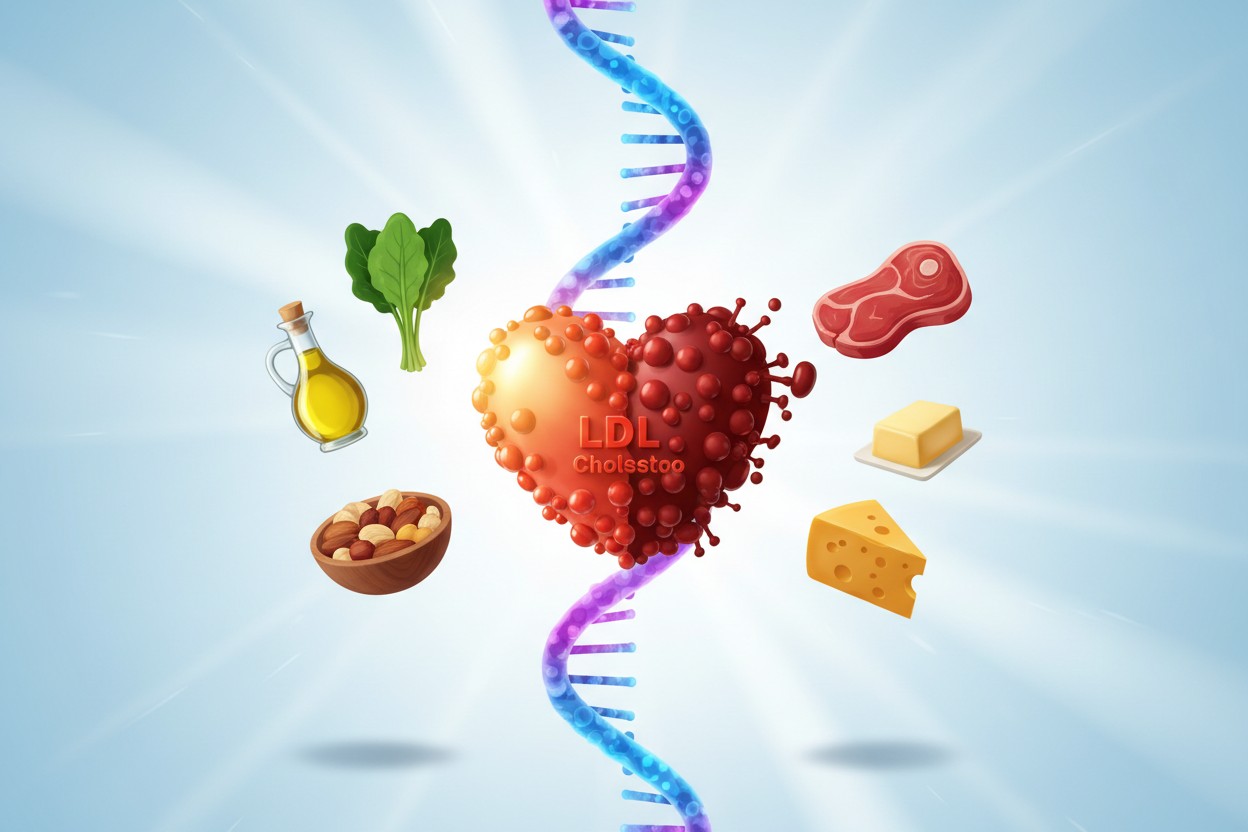
The investigation focused on 431 participants for whom genetic data was available. Lead author Alexa Barad stated that diet advice is not one-size-fits-all, noting, "While some people find a low-carb diet raises their cholesterol, others see no effect." The findings suggest that individual genetic makeup could play a role in how the body responds to dietary fat intake.
Background on Low-Carb Diets
Low-carb diets typically consist of 75 percent fat, 20 percent protein, and 10 percent carbohydrates, according to the report. These eating plans have become popular for their role in managing weight and blood sugar levels. Previous research has credited low-carb diets with raising levels of "good" HDL cholesterol, which helps clear fatty deposits from the arteries [1].
The new findings suggest potential harmful effects on LDL cholesterol for certain individuals. The report states that around half of UK adults are estimated to have high cholesterol, a condition linked to heart disease, heart attack, and stroke. The study also noted that some dietary guidelines recommending low-fat, high-carbohydrate approaches have been challenged by research showing no significant evidence that saturated fat causes heart disease [2].
Study Methodology and Findings
The research team examined the 431 participants' genetic makeup, saturated fat consumption, and changes in LDL cholesterol over a six-month period. According to the study, among those following a low-carb diet, individuals with a higher genetic predisposition to elevated LDL cholesterol experienced larger increases when they consumed more saturated fat. Participants with the highest genetic risk showed the largest increases in "bad" cholesterol.
The report states that the original trial identified no clear weight-loss advantage for either the low-carb or low-fat diet. The mechanism explained in the study suggests that those following low-carb plans often replace carbohydrate-heavy foods with items high in saturated fat, such as red meat and cheese. Previous literature on this topic notes that LDL cholesterol has different subtypes, with research confirming that large, fluffy LDL particles do not contribute to heart disease, unlike small, dense LDL particles [3].
Expert and Researcher Commentary
Alexa Barad, the study's lead author, said that while some individuals may benefit from low-carb diets, this does not apply to everyone. "Diet advice can sometimes be presented as one-size fits all," Barad said. The research team stated that they hope their method will help doctors and nutritionists identify patients at risk of harmful cholesterol changes before recommending specific diets.
The researchers suggested that for those following a low-carbohydrate plan, replacing saturated fats with unsaturated sources such as nuts, seeds, and olive oil may minimize risk. This aligns with guidance that monounsaturated fats, found in nuts, seeds, olive oil, and avocados, can be part of a healthy dietary pattern [4]. Some sources within the provided context also note that for those who experience LDL increases on very low-carb diets, the long-term heart disease risk remains an open question [5].
Guidelines and Public Health Implications
UK guidelines currently recommend that saturated fat make up no more than about 10 percent of a person's daily calorie intake, according to the report. For men, this equates to no more than 30g of saturated fat per day, while women are advised to limit intake to no more than 20g. NHS guidance recommends replacing saturated fats with unsaturated fats, including omega-3 fatty acids, to reduce the risk of heart disease.
Cardiovascular disease affects an estimated eight million people in the UK, with around 200,000 heart attacks or strokes occurring annually, the report stated. The study's findings underscore the complexity of dietary recommendations. While low-carb diets have been shown to improve some metabolic markers, this analysis indicates that for certain genetically predisposed individuals, the quality of fat consumed may be a critical factor. The available context also includes evidence that low-carb diets have been linked to improved cholesterol profiles in some six-month studies, raising HDL and lowering triglycerides [6].
References
- Mercola.com. "Fat Versus Carbs Higher Amounts of Dietary". May 13, 2017.
- Mercola.com. "Why Coconut Oil Is So Good for You". June 05, 2017.
- Joseph Mercola. "Fat for Fuel A Revolutionary Diet to Combat Cancer Boost Brain Power and Increase Your Energy".
- Dr Caroline Leaf-2. "Think and Eat Yourself Smart A Neuroscientific Approach to a Sharper Mind and Healthier Life".
- Eric C. Westman and Jimmy Moore. "Cholesterol Clarity".
- NaturalNews.com. "Study Shows Low-Carb Diet Improves Cholestero". September 01, 2006.
Explainer Infographic










Please contact us for more information.


