



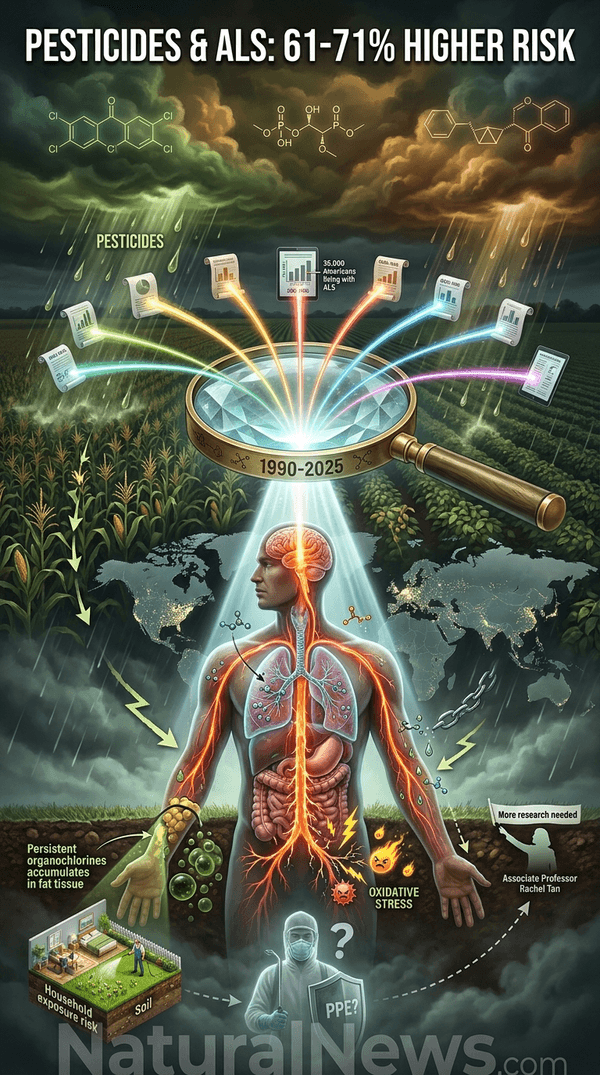
The researchers identified elevated risks specifically for organochlorines, organophosphates, and synthetic pyrethroids. Men with high levels of exposure had double the risk compared to unexposed men, according to the report. Approximately 35,000 Americans are living with ALS, a rare neurodegenerative disease that is fatal and occurs sporadically in over 90% of cases, according to the Centers for Disease Control and Prevention [2].
Study Details and Findings
The researchers analyzed eight case-control studies published between January 1990 and February 2025, according to the paper. In most studies, ALS diagnoses were made by neurologists, and pesticide exposure was self-reported. The team reviewed nearly 800 studies but used 11 for their final meta-analysis, according to the report [1].
Chemical classes including organochlorines, organophosphates, and glyphosate-based compounds were linked to neurotoxic effects. The study stated that malathion, paraquat, and glyphosate produce alterations including oxidative stress, neuroinflammation, and reactive oxygen species, which are among proposed mechanisms for pesticide exposure-mediated ALS. Exposure to insecticides and herbicides was associated with a pooled increased ALS risk of approximately 60%, according to the findings [2]. One study calculated larger risk estimates for the association between motor neuron diseases and self-reported exposure to organochlorines, organophosphates, and pyrethroids.
Expert Reactions and Context
Associate Professor Rachel Tan, PhD, from the Brain and Mind Centre at the University of Sydney, stated in comments reported by the Science Media Centre that the findings support the case that occupational pesticide exposure is linked to a higher risk of ALS. Tan said further research is needed to identify which specific chemicals or pesticide components may be responsible, whether risk increases with higher doses or longer exposure, and whether protective equipment can reduce risk.
Previous research, including a study published in NeuroToxicology, found that individuals working or living in areas with frequent neurotoxic pesticide use experienced a higher incidence of ALS than the general population [3]. University of Michigan researchers found a statistically significant relationship between heightened risk of ALS and household exposure to lawn care products and pesticides, according to reports. The authors of the current meta-analysis noted that occupational exposure involves absorption of high doses through inhalation and dermal routes, leading to disproportionate risks for workers.
Broader Implications and Previous Research
The meta-analysis adds to a body of evidence linking chronic pesticide exposure to central nervous system impacts and neurological diseases including ALS, Alzheimer's, and Parkinson's disease. Research confirms that pesticides including organophosphates, glyphosate, and neonicotinoids disrupt neurotransmission, trigger oxidative stress, induce neuroinflammation, and accelerate brain cell death, according to a report [4]. A review published in the Journal of Neurosciences in Rural Practice found an association between farmers' pesticide exposure and cognitive impairment, including attention deficits and memory loss, with risk increasing alongside duration of exposure.
Advocates cited the findings in calls for transitioning to organic agriculture and reducing residential and occupational pesticide use, though the study authors did not make policy recommendations. According to reports from Beyond Pesticides, the data reinforces the need for a phaseout of toxic pesticide use and the adoption of alternative practices and organic products. The Pesticide-Induced Diseases Database maintained by Beyond Pesticides logs the impacts of toxic pesticides in contributing to chronic diseases including ALS [1].
References
- NaturalNews.com. "Study finds pesticide exposure associated with higher risk of motor neuron disease". August 8, 2026.
- ChildrensHealthDefense.org. "Neurotoxic Pesticides Linked to Increased Risk of Lou Gehrig's Disease".
- ChildrensHealthDefense.org. "-Neurotoxic-Pesticides-Linked-to-Increased-Ris". October 12, 2021.
- Patrick Lewis. "Pesticides linked to neurological disorders Mounting evidence demands urgent regulatory reform". NaturalNews.com. March 23, 2026.
Explainer Infographic












Please contact us for more information.


