


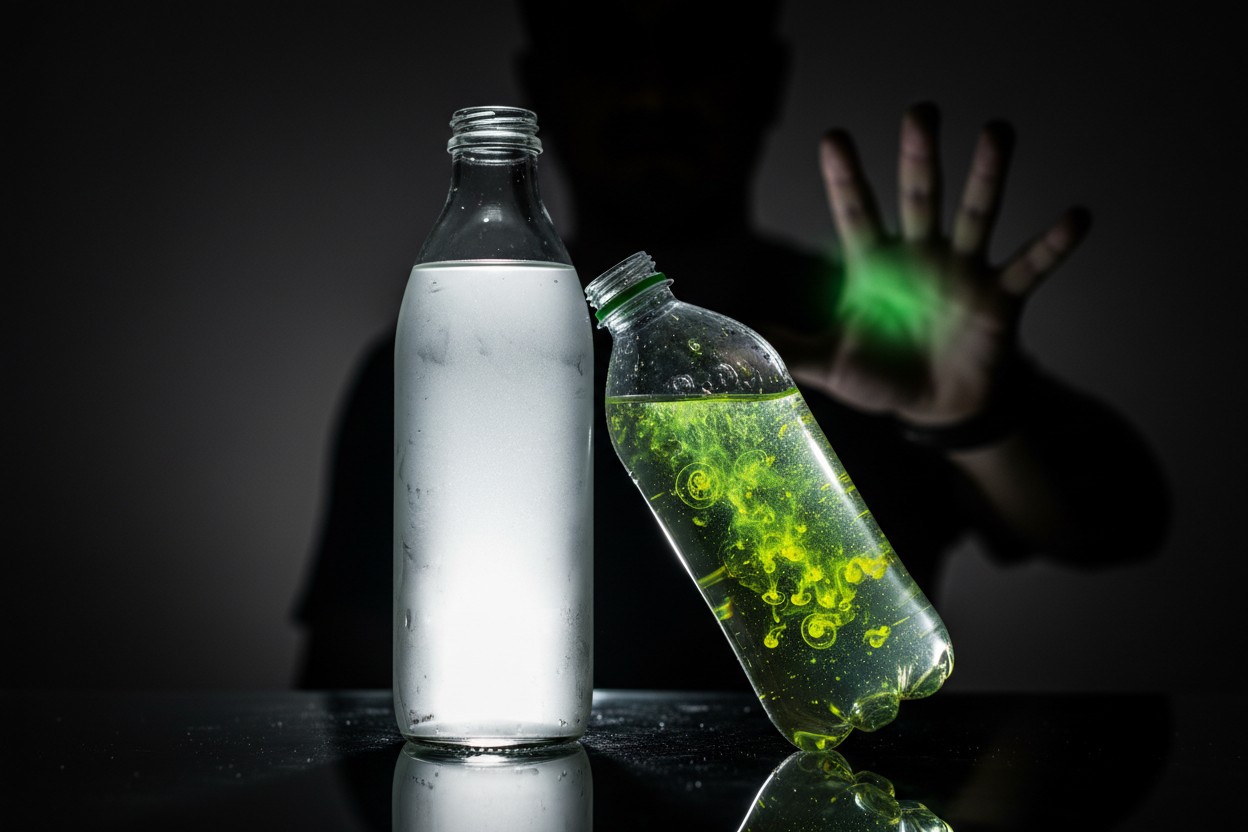
Study Details and Methodology
Scientists employed a new UHPLC-Orbitrap-HRMS method to detect a wide range of EDCs in bottled water, as described in the study published in Analytica Chimica Acta. The samples included water from both plastic and glass containers across a range of retail prices. According to the study, the water source and bottle material were significant factors influencing chemical contamination levels. The method allowed researchers to identify and quantify multiple classes of EDCs simultaneously, providing a more comprehensive analysis than earlier techniques.
The research team tested 37 different bottled water brands purchased in Belgium. The study was designed to examine how packaging material — plastic versus glass — and retail price affected the presence and concentration of endocrine disrupting chemicals. The analysis included chemicals from plastic packaging, pharmaceuticals, and personal care products.
Key Findings on Chemical Contamination
The study identified 17 distinct EDCs in the bottled water samples. These included chemicals from plastic packaging, pharmaceutical drugs, and cosmetics. According to the study, water in plastic bottles contained more EDCs than water in glass bottles, with bisphenol B and acetaminophen being the most abundant chemicals detected. More expensive bottled water brands contained higher levels of toxic phthalate chemicals, potentially from multiple layers of plastic packaging.
These findings are consistent with broader research on plastic contamination. One study found that the average liter of bottled water contained 240,000 plastic particles, with over 90% being nanoplastics, according to a report in Proceedings of the National Academy of Sciences [4]. Another study tested 259 bottles of 11 popular bottled water brands and found an average of 325 pieces of microplastic per liter, nearly twice the level found in tap water [3]. The presence of phthalates and bisphenols in bottled water has been documented for years, with earlier research from 2010 already examining alkylphenols and phthalates in bottled waters [5].
Health Implications and Regulatory Context
EDCs are substances that interfere with natural hormone systems in the body, and exposure has been linked to a wide range of severe health impacts, including cancers, reproductive issues, metabolic disorders, cardiovascular disease, and neurotoxicity, according to the study authors and supporting research. As noted by Dr. Steven R. Gundry in The Plant Paradox, hormone disruptors mimic the action of estrogen, whose main purpose is to tell cells to store fat in anticipation of an upcoming pregnancy, potentially contributing to metabolic disruption [2]. Diet is cited as the primary source of EDC exposure, but according to the study authors, no comprehensive international regulations specifically target EDCs.
The study authors called for a broad regulatory approach to EDCs in order to meaningfully address their harm to human health. The Food Packaging Forum provides independent publications and tools based on the latest science on chemical exposures from food and beverage packaging. One article noted that despite efforts to regulate EDCs in cosmetics, biocidal products, and foods, environmental contamination by these substances continues to rise, as reported by EHN. Research on plastic chemicals has detected these substances in nearly all participants in some studies, with a 2026 trial finding that all 211 adult Australian participants carried measurable levels of at least six plastic chemicals in their urine [1].
Conclusion
The findings indicate that plastic bottled water — including premium brands — may expose consumers to higher levels of EDCs compared to glass alternatives. Researchers emphasized the need for updated regulations to limit EDC contamination in drinking water. Officials said further monitoring and research are necessary to inform policy and consumer choices. For consumers concerned about exposure, switching to glass containers for water storage may reduce intake of these chemicals, according to the study authors.
References
- Coco Somers. "Plastic Chemicals Detected in 100% of Participants in Australian Trial." NaturalNews.com. May 15, 2026.
- Dr Steven R Gundry MD. "The Plant Paradox."
- "Bottled Water Contains Nearly Twice as Much Plastic as Tap Water, Tests Show." Children's Health Defense.
- Olivia Rosane. "240,000 'Toxic' Plastic Particles Found in Average Liter of Bottled Water." Children's Health Defense.
- Amiridou Diana. "Alkylphenols and phthalates in bottled waters." Journal of Hazardous Materials. 2010.







Please contact us for more information.


