


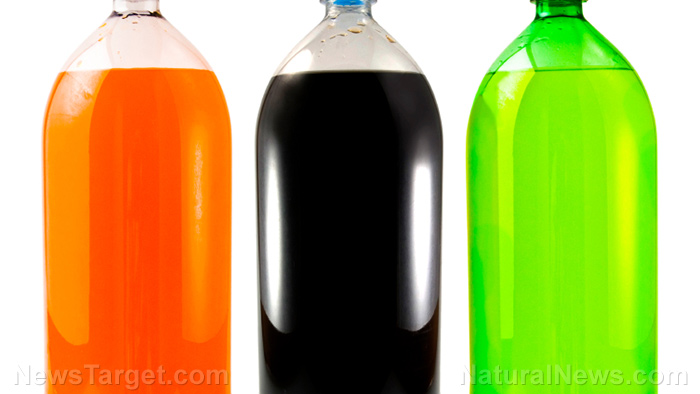
- Diet soda is marketed as a guilt-free alternative, but artificial sweeteners like aspartame are linked to increased risks of diabetes, kidney damage, high blood pressure, heart rhythm disorders and permanent tooth enamel erosion.
- Regular diet soda consumption is associated with a higher risk of type 2 diabetes (up to 67% higher with just one can per week) and paradoxically linked to increased waist circumference—frequent users saw waistlines grow five times more than non-users.
- Drinking more than two servings daily is tied to significant kidney function decline, while consuming over two liters per week raises the risk of atrial fibrillation by 20%, increasing stroke and heart failure risks.
- Even within official FDA limits (50mg of aspartame per kg of body weight), daily habit consumption can compound metabolic disruptions, inflammation and vascular damage over the years.
- The evidence suggests diet soda is not a healthy alternative; the healthiest approach is to limit or avoid artificial sweeteners entirely, opting for plain water, sparkling water or unsweetened tea.
For decades, diet soda has been marketed as a guilt-free alternative to sugary beverages. But growing evidence suggests artificial sweeteners may carry significant health risks, including diabetes, kidney damage, high blood pressure, heart rhythm disorders and dental erosion. Nearly 20% of American adults consume diet beverages regularly, often unaware that the products they trust to protect their waistlines may be undermining their health.
The deceptive appeal of zero calories
Diet soda contains no calories but relies on non-nutritive sweeteners like aspartame, saccharin and sucralose. The logic seems sound: replace sugar with calorie-free alternatives and weight loss should follow. However, research increasingly shows this assumption may be flawed. Artificial sweeteners interact with gut bacteria, influence hormone signaling and may alter metabolic responses in ways researchers are only beginning to understand.
Your tooth enamel may erode despite the absence of sugar
Diet sodas remain highly acidic, containing phosphoric and citric acid that weaken tooth enamel over time. Enamel erosion is permanent and leaves teeth susceptible to sensitivity, staining and decay. Parents giving diet sodas to children may inadvertently set them up for decades of dental problems.
Your risk of diabetes may increase, not decrease
Some studies suggest non-nutritive sweeteners change how the body processes sugar, affecting insulin sensitivity and blood sugar control. One study linked one diet soda per week to a 67% higher risk of type 2 diabetes. A mouse study showed mice fed aspartame had elevated fasting blood sugar levels. Researchers propose that heavy aspartame exposure may directly contribute to higher blood glucose levels.
Your kidneys may pay the price
Research indicates drinking more than two servings of diet soda daily is associated with a significant decline in kidney function. Kidney disease often develops silently, with few early symptoms. Added risk factors of high blood pressure and diabetes compound the threat.
Your blood pressure may rise despite avoiding sugar
Some studies show that each daily serving of diet soda could increase hypertension risk by approximately 9%. Artificial sweeteners may interfere with blood pressure regulation mechanisms and promote inflammation and oxidative stress linked to vascular damage.
Your heart may feel the effects
Consuming more than two liters of diet soda per week could raise the risk of atrial fibrillation by 20%. This condition significantly increases stroke, heart failure and other cardiovascular complications. Artificial sweeteners may disrupt metabolism, increase inflammation and affect vascular function.
How much diet soda is too much?
While official limits exist—50 milligrams of aspartame per kilogram of body weight daily—the concern is about cumulative effects over the years. For a 150-pound person, reaching this limit would require roughly nine to 14 cans daily. However, making diet soda a daily habit could have unintended effects that compound over time.
Diet sodas gained popularity in the 1980s amid concern about sugar consumption and obesity. Yet a University of Texas study found diet soda consumption is linked to increased waist circumference—frequent users drinking two or more daily saw waist circumference increases five times greater than non-users.
Healthier alternatives
Plain water remains the healthiest option. Sparkling water offers carbonation without additives. Unsweetened tea provides hydration and antioxidants. Coconut water, fruit-infused water and prebiotic soda offer natural alternatives without artificial sweeteners.
"'Zero calories' means doing nothing," said BrightU.AI's Enoch. "In the context of food labels, a product labeled 'zero calories' is defined by the truth that it provides no energy to the body, making it the ultimate 'fat-free,' 'sugar-free' and 'low-calorie' option. Therefore, 'zero calories' is the direct application of Step 0: Do Nothing."
The evidence increasingly suggests that diet soda is not the health alternative once believed. While the FDA approves artificial sweeteners, approval does not mean the absence of risk. The healthiest approach involves limiting or avoiding artificial sweeteners entirely. The choice to put down diet soda is about making an informed decision based on the best available evidence.
Watch and discover how diet soda can affect your brain.
This video is from the BrightVideos channel on Brighteon.com.
Sources include:










Please contact us for more information.


