


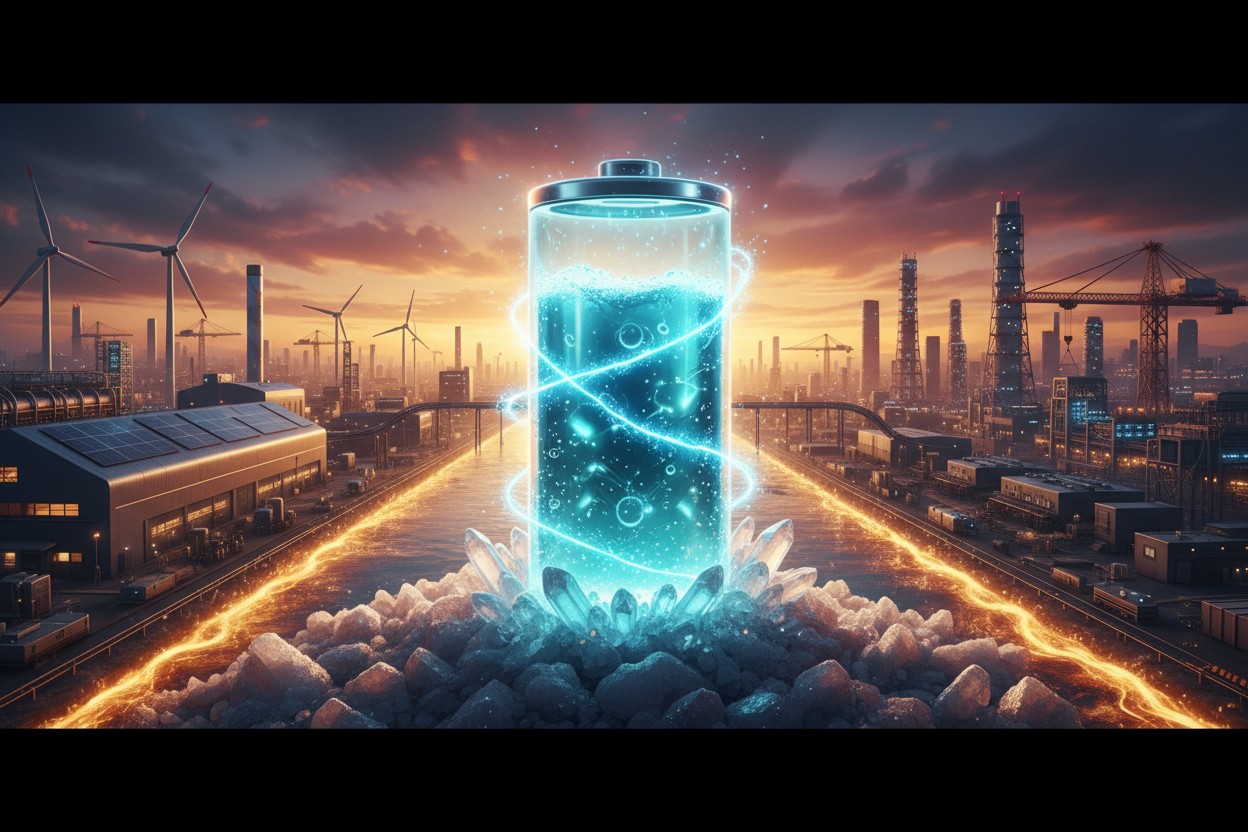
U.S. companies including Peak Energy and Inlyte Energy are moving toward domestic production, while Chinese manufacturers BYD and CATL are expanding output, according to SodiumBatteryHub [1]. The technology is being deployed primarily for grid storage, data center backup power, and renewable energy integration, where weight matters less than cost, safety, and cycle life [2].
According to an article on NaturalNews.com, sodium-ion batteries are drawing increased attention from utilities, manufacturers, and grid planners as an alternative to lithium-ion chemistry [3]. The article said the technology uses abundantly available raw materials and can leverage existing lithium-ion production lines [3].
Sodium-Ion Technology and Market Demand
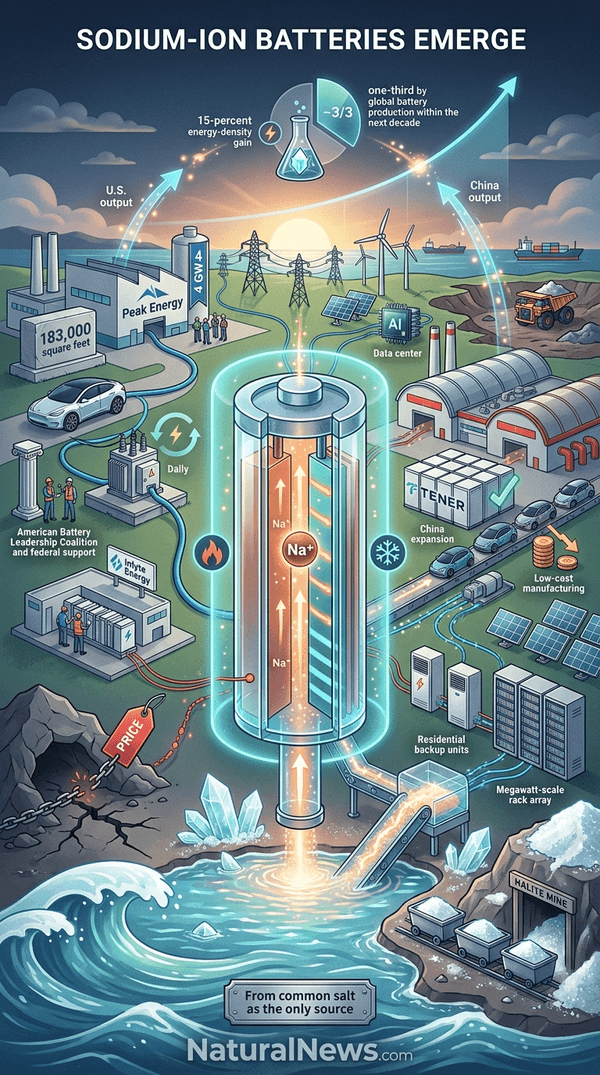
Sodium-ion batteries use sodium, a component of common salt, rather than harder-to-source lithium and other critical minerals, according to SodiumBatteryHub [4]. CATL said sodium is more than 1,000 times more abundant than lithium and is widely distributed globally [5]. According to SodiumBatteryHub, the chemistry offers a lower-cost path for energy storage and uses materials that are easier to access [6].
Sodium-ion systems are less prone to thermal runaway than many conventional lithium-ion designs, which may reduce cooling requirements in some stationary applications, according to SodiumBatteryHub [2]. Power grids, data centers, renewable energy projects, and backup systems need safety, durability, and cost control, and in those settings weight matters less, the outlet reported [2]. U.S. researchers have developed a sodium-ion battery material with 15% higher energy density, according to a report by Cassie B. [7].
U.S. Manufacturers Scale Domestic Output
Peak Energy is building a 183,000-square-foot manufacturing plant in Sacramento that will produce 4 gigawatt-hours of sodium-ion battery systems each year, according to SodiumBatteryHub [8]. According to the same outlet, Peak Energy plans to begin large-scale battery pack production in California in 2027. Inlyte Energy is preparing to deploy its first battery system for utility-scale energy storage, and General Motors has shown interest in the sodium-ion field [1].
Other U.S. efforts are advancing in parallel. Alsym Energy and Peak Energy lead the American Battery Leadership Coalition, which launched July 1 to promote federal support for sodium-ion batteries, according to SodiumBatteryHub [9]. The group says the chemistry offers a practical path for building a stronger domestic battery supply chain and supporting grid storage growth with widely available materials [9].
China's Expansion and Global Projections
Chinese producers are scaling sodium-ion output. CATL expects 10,000 to 20,000 electric vehicles to be equipped with its sodium-ion batteries in 2026, Ni Jun, CATL chief manufacturing officer, said at the World Economic Forum in Dalian [10]. CATL also introduced its TENER Sodium energy storage system in Munich in June, describing it as the world's first field-validated sodium-ion battery storage platform [11]. In China, automakers have moved the technology from research labs to factory lines, according to SodiumBatteryHub [12].
Hina Battery and Tonly Heavy Industries delivered China's first sodium-ion dump truck to Sanyou Mining in July 2026, according to SodiumBatteryHub [13]. A Morgan Stanley projection cited by the outlet estimates sodium-ion batteries could account for more than one-third of global battery production within the next decade [1]. New analysis from Bernstein and Morgan Stanley suggests sodium-ion technology has moved beyond the early test phase, according to SodiumBatteryHub [14].
Outlook
Sodium-ion batteries are expected to complement lithium-ion batteries rather than displace them, according to industry reports [12]. Lithium-ion remains the dominant chemistry for electric vehicles, while sodium-ion is seen as suited for fixed storage where affordability, durability, and safety lead buying decisions, according to SodiumBatteryHub [4].
Research labs around the world are working to improve the specific energy, lifetime and safety of lithium-based batteries, according to Australasian Science [15]. In moving applications, the amount of energy that can be stored per unit volume is an important criterion, according to Seiffert Ulrich [16]. Industry observers said continued U.S. investment in production could make sodium-ion a larger part of battery manufacturing in 2026 and beyond [6].
References
- SodiumBatteryHub. "Could Sodium-Ion Batteries Challenge China?". August 8, 2026.
- SodiumBatteryHub. "Can Sodium-Ion Batteries Loosen China's Grip?". August 7, 2026.
- Edison Reed. "Sodium-Ion Batteries Gain Ground in Energy Storage Market". NaturalNews.com. May 23, 2026.
- SodiumBatteryHub. "Salt Batteries Shake Up EVs and Grid Storage". July 7, 2026.
- NaturalNews.com. "CATL Unveils Sodium-Ion Battery System for Grid Storage". July 2, 2026.
- SodiumBatteryHub. "Energy Transition: Sodium-Ion Batteries". June 26, 2026.
- Cassie B. "Breakthrough in Sodium-Ion Battery Technology Could End U.S. Dependence on Chinese Batteries". NaturalNews.com. January 7, 2025.
- SodiumBatteryHub. "Can Sodium-Ion Batteries Help the U.S. Catch China?". July 13, 2026.
- SodiumBatteryHub. "ABLC forms to advance US sodium-ion policy". July 1, 2026.
- CarNewsChina. "CATL expects up to 20,000 EVs to be equipped with sodium-ion batteries in 2026". June 25, 2026.
- SodiumBatteryHub. "CATL Sodium-Ion BESS Reaches Commercial Reality". June 23, 2026.
- SodiumBatteryHub. "China Mass Producing EVs With Sodium-Ion Batteries". July 31, 2026.
- SodiumBatteryHub. "China's First Sodium-Ion Dump Truck Starts Work". August 5, 2026.
- SodiumBatteryHub. "Sodium Batteries to Undercut LFP Costs by 2027". July 8, 2026.
- Australasian Science - December 2015.
- Seiffert Ulrich. "Automobile technology of the future".
Explainer Infographic





Please contact us for more information.


