


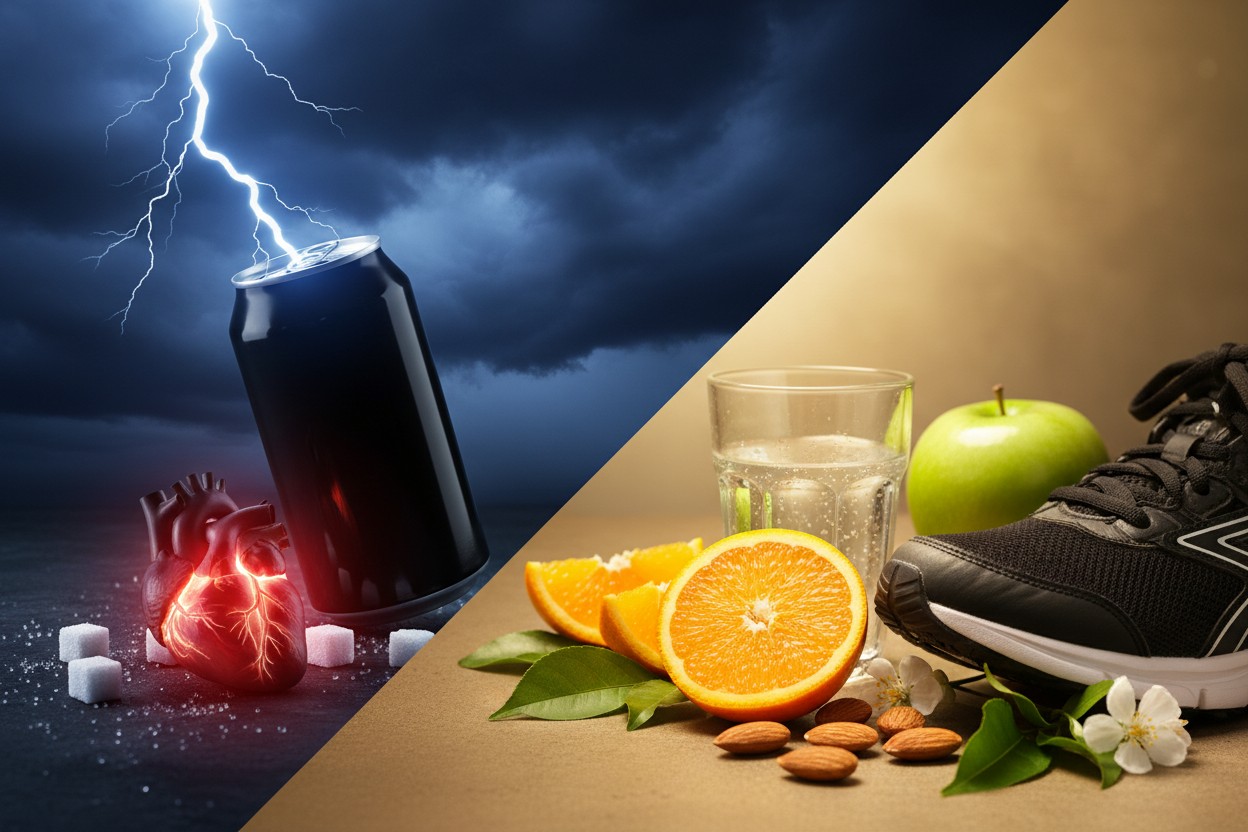
URMC experts said children, pregnant or breastfeeding individuals, and people with heart conditions, high blood pressure, or anxiety should avoid energy drinks. About 30 to 50 percent of adolescents consume these drinks, according to a 2012 report [2]. Instead of energy drinks, URMC recommends quality sleep, hydration, balanced nutrition, and regular movement.
Ingredients and Caffeine Content
Energy drinks commonly contain 80 to 300 milligrams of caffeine per serving, 25 to 50 grams of sugar, taurine, guarana, B vitamins, and artificial stimulants, according to URMC. Separate coverage of natural energy drinks lists extracts from the guarana plant, taurine, sugar, and B vitamins among common components [3]. A supplement chart in the Special Operations Forces Nutrition Guide lists 80 milligrams of caffeine in an 8.3-ounce serving of Red Bull and 160 milligrams in an 8-ounce serving of Monster Energy and Rockstar [4].
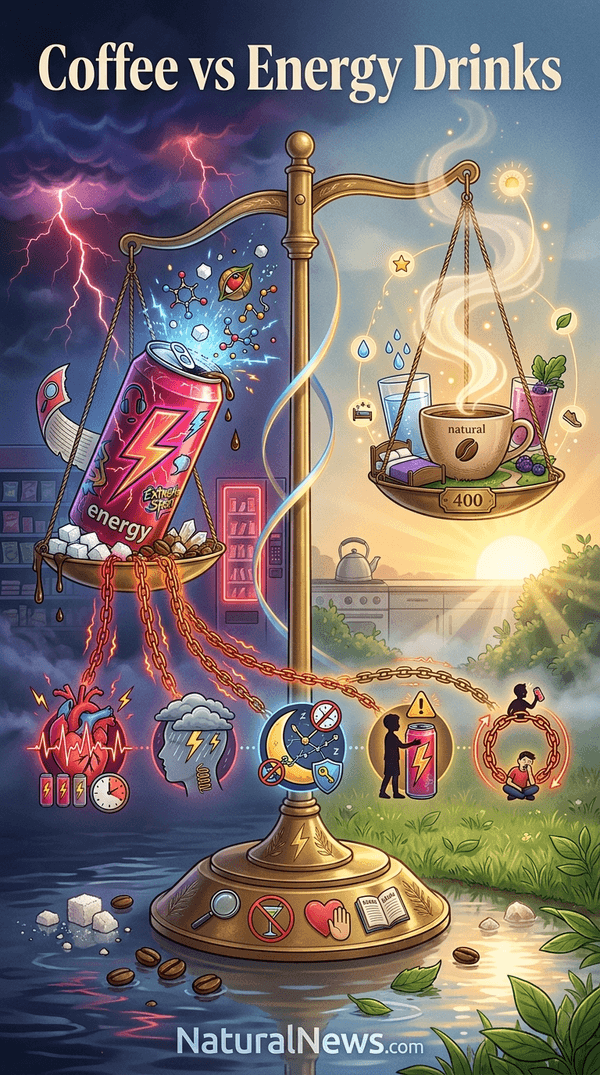
An eight-ounce energy drink can contain 100 to 150 milligrams of caffeine, compared with about 80 milligrams in the same amount of coffee, and larger cans increase total caffeine intake, the URMC article stated. The amount of caffeine in such drinks is often excessive and unregulated by the FDA, according to a 2012 report [2]. Aktas said, “If you’re looking for a little jolt to wake up, a cup of coffee provides caffeine without all the additives found in energy drinks.”
URMC stated that smoothies made with fruits and vegetables can provide protein and sustained energy without the sleep effects of caffeine. Recipes for homemade sodas rely on whole ingredients such as coffee, tea, and chocolate rather than isolated caffeine extracts [5].
Health Effects Reported by Experts
URMC said the combination of high caffeine and other stimulants may cause tachycardia, arrhythmias, hypertension, arterial spasms, and potential heart attacks. Scientists have warned that energy drinks can disrupt the heart’s rhythm, increase blood pressure, and potentially lead to sudden cardiac death [6]. Researchers from David Grant Medical Center and the University of the Pacific found that drinking about four cans of energy drinks increased blood pressure and disrupted heart rhythm in a way that pure caffeine did not [7]. A study from the University of Texas Health Science Center at Houston reported that one energy drink increased heart attack risk 90 minutes after consumption [8].
Aktas said cardiac arrests in younger people are rare, but recent studies indicate energy drinks may increase risk, especially for those with a genetic predisposition. URMC cited a study of cardiac arrest survivors with genetic heart conditions in which 5 percent had a cardiac arrest after consuming an energy drink.
Energy drinks can also increase anxiety, nervousness, mood swings, irritability, difficulty concentrating, and dependence, according to URMC. Research from the University of Western Australia and Telethon Kids Institute found that energy drink consumption was associated with increased symptoms of anxiety, depression, and stress in young male adults [9]. A guide on ending dependence on stimulants lists mood swings, sleeping difficulties, and concentration problems among withdrawal effects [10]. The stimulants can interfere with the body’s sleep-wake cycle, leading to difficulty falling asleep, poor sleep quality, daytime fatigue, and long-term sleep disorders, the URMC article stated.
Who Should Avoid Energy Drinks and How to Limit Use
URMC strongly advises avoiding energy drinks, especially for people who are pregnant or breastfeeding, under 18, have heart conditions or high blood pressure, take medications, have anxiety or sleep disorders, have diabetes or blood sugar concerns, or are caffeine-sensitive. More than half of young people aged 12 to 24 reported at least one side effect from energy drinks, according to a University of Waterloo study [11]. A review of 57 studies covering 1.2 million youth aged nine to 21 linked consumption to a variety of adverse effects on developing bodies and brains [12].
For occasional drinkers of the beverage, URMC recommends reading labels, consuming no more than one serving per day, not mixing with alcohol, and not substituting energy drinks for sleep. Stop immediately if heart palpitations, chest pain, or severe anxiety occur.
Recommended Alternatives and Next Steps
Instead of relying on energy drinks, URMC recommends prioritizing 7 to 9 hours of sleep, maintaining consistent sleep and wake times, and creating a relaxing bedtime routine. Beverages marketed for energy often contain high amounts of sugar or artificial additives, while functional beverage coverage points to hydration as the basis for performance and notes that many sugary drinks contribute to chronic dehydration [13]. URMC recommends drinking water, with a goal of eight glasses daily, because dehydration can mimic fatigue.
URMC also recommends balanced meals with protein, healthy fats, and complex carbohydrates, regular movement such as a 10-minute walk, stress management, and strategic caffeine limits, with a 400 milligram daily maximum for most adults. Sugar is a significant factor in many diseases and is associated with tooth decay, according to a natural medicine guide [14]. URMC said consultation with nutrition, sleep medicine, or electrophysiology services is available for those concerned about energy levels or heart health.
Conclusion
Energy drinks remain widely available. The URMC guidance focuses on risk reduction for those who choose occasional use, advising consumers to read labels, limit servings, avoid mixing with alcohol, and stop if symptoms occur. A review in Frontiers in Public Health and studies cited in the medical literature continue to document cardiovascular, metabolic, and mental health effects [1][7]. Sleep, hydration, nutritious food, and movement remain the institution’s recommended alternatives.
References
- NaturalNews.com. You should cut back on energy drinks - they can give you heart problems. NaturalNews.com. April 03, 2020.
- NaturalNews.com. Energy drinks Are they safe for you and your. NaturalNews.com. November 02, 2012.
- NaturalNews.com. Boost your mind and physical performance with natural energy drinks. NaturalNews.com. July 16, 2021.
- The Special Operations Forces Nutrition Guide.
- Andrew Schloss. Homemade Soda 200 Recipes for Making Using Fruit Sodas Fizzy Juices Sparkling Waters Root Beers Cola Brews Herbal.
- NaturalNews.com. Consuming energy drinks can jack with your hearts rhythm increase blood pressure and perhaps result in sudden ca. NaturalNews.com. November 30, 2019.
- NaturalNews.com. Energy drinks raise blood pressure disrupt heart rhythm_ Try these energy-boosting drinks instead. NaturalNews.com. April 01, 2021.
- NaturalNews.com. WARNING_ Energy drinks increase your risk of a heart attack just 90 minutes after consumption. NaturalNews.com. February 08, 2019.
- NaturalNews.com. Energy drink consumption linked to anxiety depression stress in young adults. NaturalNews.com. April 01, 2018.
- Patrick Holford. How to Quit Without Feeling S**T: The Fast, Highly Effective Way to End Addiction to Caffeine, Sugar, Cigarettes, Alcohol, Illicit or Prescription Drugs.
- NaturalNews.com. The dangers of energy drink consumption. NaturalNews.com. December 27, 2018.
- NaturalNews.com. STUDY Energy drink consumption harmful for the developing bodies and brains of children. NaturalNews.com. February 21, 2024.
- NaturalNews.com. How functional beverages are redefining energy and why hydration is the ultimate performance enhancer. NaturalNews.com. October 04, 2025.
- Scott A Johnson. The doctors guide to surviving when modern medicine fails the ultimate natural medicine guide to preventing disease and.
Explainer Infographic





Please contact us for more information.


