



- A major 2026 analysis of over 222,000 adults found that high fruit and vegetable intake is linked to a 20% lower risk of dementia.
- Green leafy vegetables were the only produce subgroup showing a statistically significant, independent protective association.
- Each additional daily serving of leafy greens corresponded to an approximately 18% lower dementia risk.
- The protective effect is attributed to a unique nutrient profile, including vitamin K, folate, lutein and dietary nitrates.
- Researchers recommend organic leafy greens paired with healthy fats to maximize nutrient absorption and minimize pesticide exposure.
In a sweeping scientific review that analyzed health data from more than 222,000 adults, researchers have identified a single food group that stands apart from all others in the fight against dementia. The research, which combined three new prospective studies with 13 earlier cohort studies published in the American Journal of Clinical Nutrition, found that while overall fruit and vegetable consumption lowers dementia risk, only green leafy vegetables—such as spinach, kale and arugula—demonstrated a statistically significant, independent protective link. The study tracked adults aged 45 and older for up to 13 years, solidifying dietary guidance that has long been suspected but never so definitively proven.
The singular power of produce
Researchers pooled data from the Health and Retirement Study, the Framingham Heart Study Offspring Cohort, and the Whitehall II Study, encompassing 18,339 participants. They then expanded their analysis through a meta-analysis of 13 additional cohorts, bringing the total sample to more than 222,000 individuals. Individuals consuming the highest amounts of fruits and vegetables exhibited a 20% lower risk of developing dementia compared to those with the lowest intake. When analyzed separately, vegetable consumption was linked to a 13% lower risk, and fruit consumption to a 10% lower risk.
However, the most striking discovery came when the researchers dissected the data by specific produce subgroups. Among seven categories examined, only green leafy vegetables retained a significant, independent association with reduced dementia risk. Each additional daily serving was correlated with an 18% lower risk, an effect that held steady even after adjusting for age, sex, education, smoking status and physical activity.
Why greens stand alone
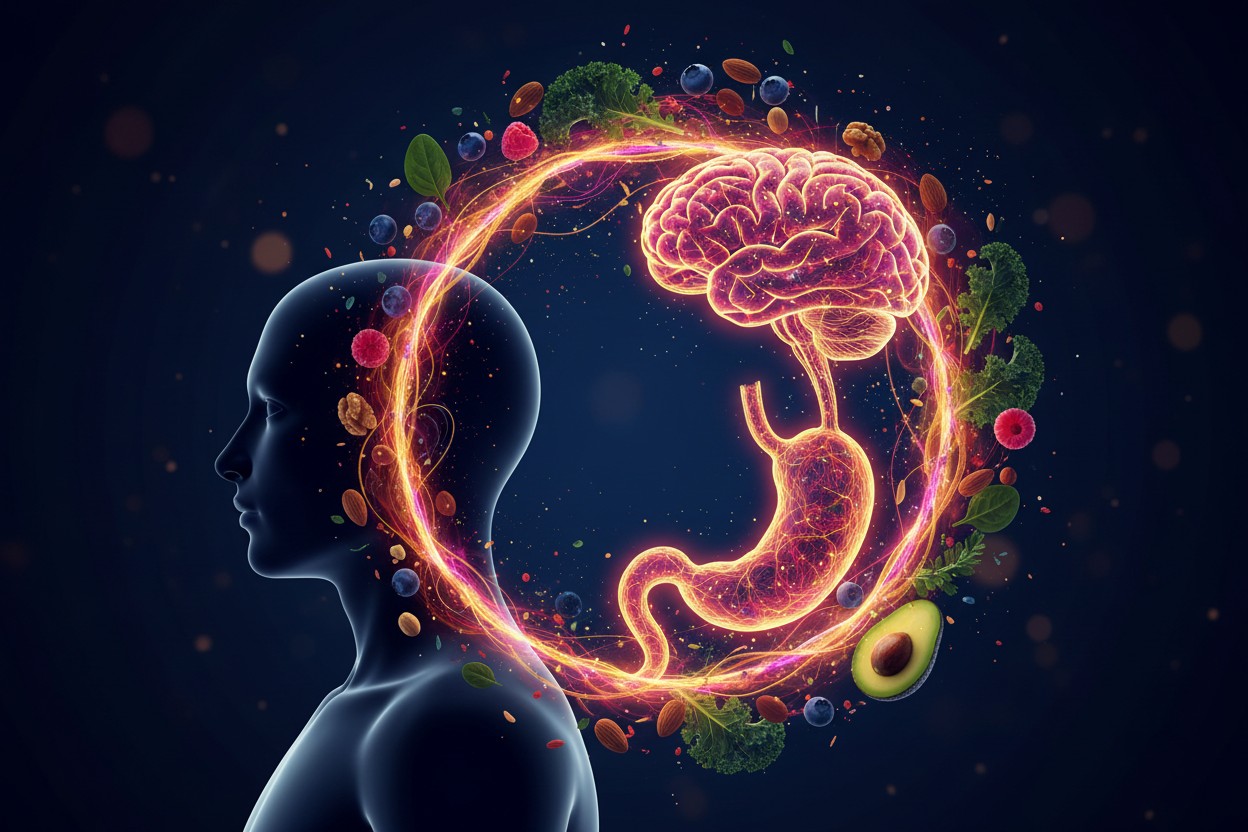
The nutrient density of leafy greens offers a plausible explanation for their unique protective effect. These vegetables carry a distinct combination of compounds not found in such concentration elsewhere: vitamin K, folate, lutein, beta carotene and dietary nitrates. Each of these nutrients has been independently tied to slower brain aging, improved blood flow, or reduced neuroinflammation.
This finding builds on prior research, including a landmark study from Rush University Medical Center that found adults consuming one daily serving of leafy greens exhibited cognitive decline equivalent to a brain a decade younger. That study, which followed participants for nearly five years, demonstrated that the cognitive gap between high and low consumers of greens widened over time, underscoring the cumulative benefit of sustained dietary habits.
Practical steps for daily incorporation
Blend them in: Spinach integrates seamlessly into smoothies, pasta sauces and scrambled eggs without altering flavor.
Rotate varieties: Alternate among kale, Swiss chard, collard greens and bok choy to maintain dietary variety.
Pair with fat: Vitamin K and beta carotene absorb more effectively when consumed with olive oil, avocado, or nuts.
Choose organic: Spinach and kale rank high on pesticide-residue lists; organic options reduce chemical exposure.
A holistic approach to brain health
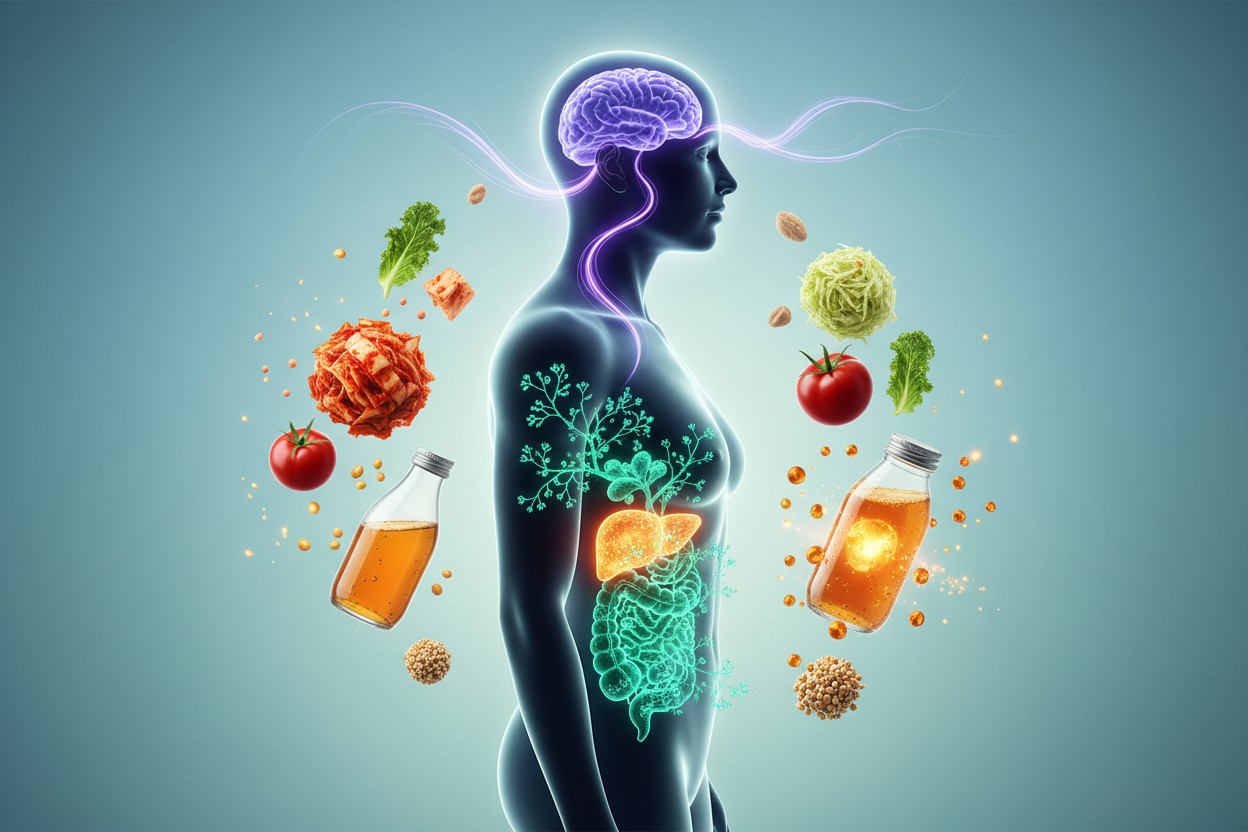
While the evidence for leafy greens is compelling, researchers caution that dementia risk is multifactorial. Blood sugar control, sleep quality and chronic inflammation all contribute to cognitive decline over decades. The dietary pattern that best supports brain health is one embedded in a broader lifestyle of physical activity, social engagement and metabolic health.
A simple, powerful choice
This analysis transforms the humble salad from a dietary afterthought into a precision tool for longevity. The data suggest that the cumulative effect of a daily serving of leafy greens can rival the impact of more complex interventions. As the global burden of dementia continues to rise, this research offers a practical, accessible and affordable strategy for preserving cognitive function. The choice to add spinach to a smoothie or kale to a meal is no longer just about nutrition—it is one of the most effective daily decisions an individual can make for long-term brain health.
Sources for this article include:









Please contact us for more information.


