


According to a 2025 article on flavonoids, these compounds support heart health, brain function and immune response [4]. The Food and Drug Administration has not established a recommended daily intake for quercetin supplements, and no official toxicity threshold has been set, officials said.
Antioxidant and Cardiovascular Effects
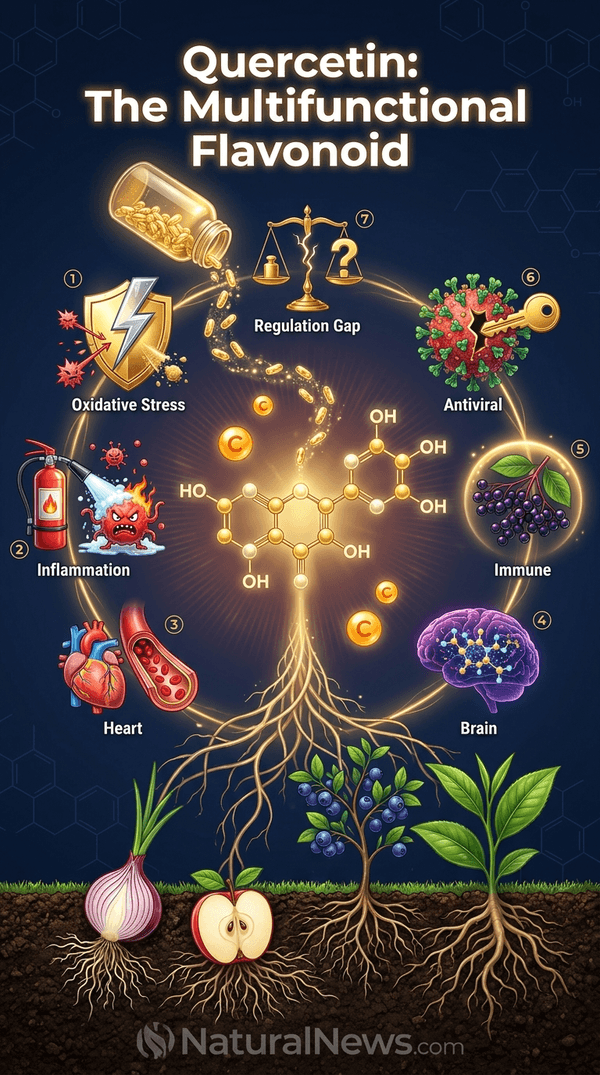
Quercetin neutralizes free radicals and reduces oxidative stress, according to laboratory studies. A 2026 report from the Food Revolution Network identified quercetin-containing red foods as linked to cardiovascular benefits, noting that phytochemicals provide antioxidant and anti-inflammatory effects [5].
The book "Eating Clean For Dummies" states that anthocyanidins, part of the flavonoid group, strengthen collagen and act as potent antioxidants [6]. Quercetin has been extensively studied for its ability to reduce cholesterol levels and protect the heart from cardiovascular diseases, according to an article in NaturalHealth365 cited by Natural News [2]. These findings suggest that quercetin may help counter the oxidation of LDL cholesterol, a known risk factor for arterial hardening.
Immune Function, Antimicrobial Activity and Inflammation
Flavonoids are powerful plant compounds with anti-inflammatory and disease-fighting properties, according to a March 2025 article [4]. In vitro studies show that quercetin can inhibit the production of pro-inflammatory cytokines, according to researchers. A book on polyphenols describes how flavonoids can suppress pro-inflammatory cytokines such as IL-1 and TNF-a, supporting immune cell function [7].
Elderberry, a fruit rich in quercetin and other phytonutrients, has been used since prehistoric times for its immune-boosting and anti-inflammatory properties. [8]. Additionally, a 2021 article on Mercola.com noted that quercetin works similarly to the drug hydroxychloroquine in fighting viral infections, making it a subject of interest during the Wuhan coronavirus (COVID-19) pandemic [3].
Brain Health, Weight Management and Hormonal Effects
Flavonoids are associated with brain function support, according to a June 2026 review of everyday habits that improve cognitive function, which cited the role of natural supplements in maintaining brain health [9]. Quercetin’s antioxidant and anti-inflammatory properties may contribute to neurological health, as described in a 2019 article on anti-aging and anti-cancer effects [1].
Regarding weight management and hormonal effects, specific human trials on quercetin are limited in the available sources. However, research on flavonoids in general suggests potential for metabolic regulation, though more studies are needed.
Natural Food Sources, Dosage and Safety Considerations
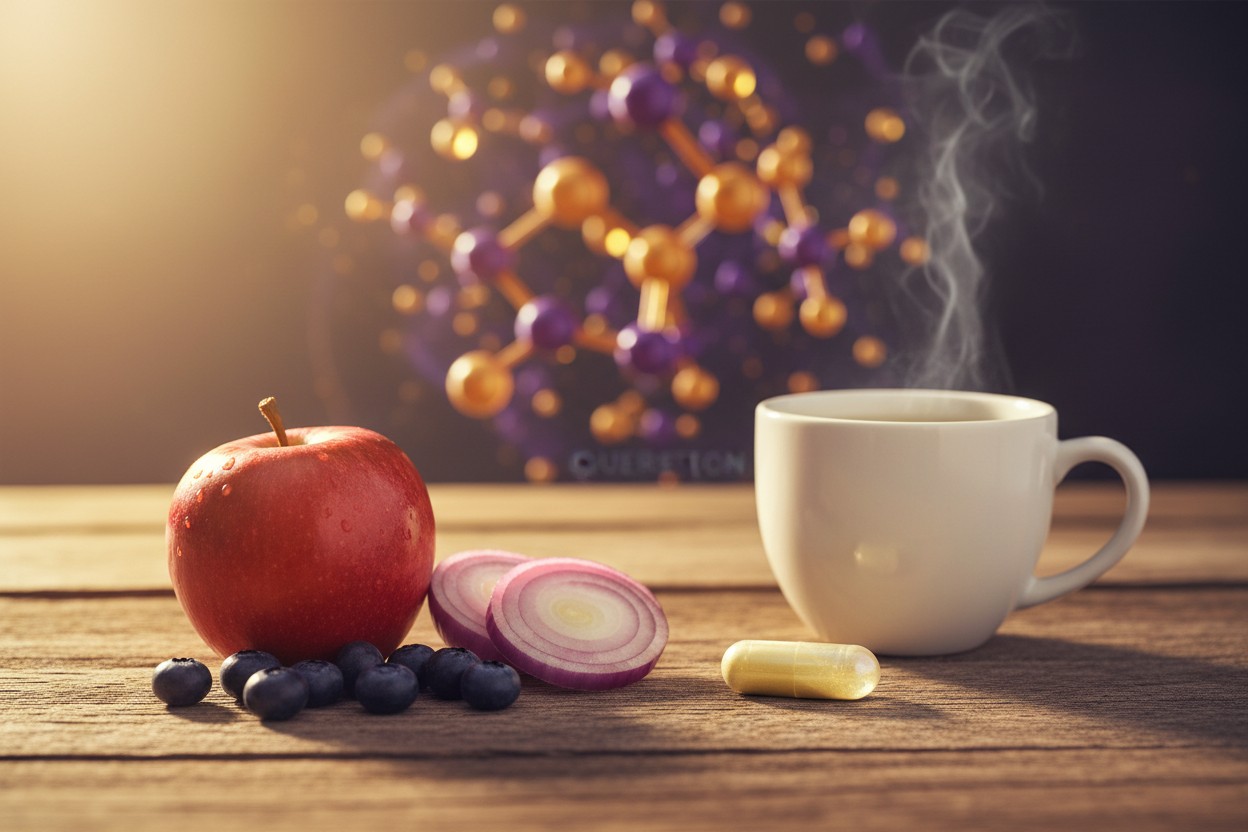
Quercetin is naturally present in apples, berries, onions, capers and tea, among other plant foods, according to multiple sources [10], [2], [3]. Onions have been cultivated for over 5,000 years and are a rich source of flavonoids and other phytochemicals [10]. Dietary intake of quercetin from whole foods is typically lower than supplement doses.
Supplement users should note that quercetin is generally considered safe at moderate doses, but long-term safety data are lacking. Potential interactions include increased effects of certain medications such as fexofenadine and blood pressure drugs, according to some reports. Mild side effects such as digestive discomfort have been reported.
Conclusion
The available scientific evidence indicates that quercetin, as a flavonoid found in common foods and supplements, offers antioxidant, anti-inflammatory, and cardiovascular benefits. While human trials on specific conditions remain limited, the existing literature supports its potential role in immune function and chronic disease prevention.
Consumers are advised to obtain quercetin from a diet rich in fruits and vegetables, as whole foods provide a complex matrix of beneficial compounds. As with any supplement, consultation with a healthcare provider is recommended before use.
References
- NaturalNews.com. "Quercetin a flavonoid found in many foods has anti-aging and anti-cancer properties". August 12, 2019.
- NaturalNews.com. "Quercetin alleviates allergies and enhances immune system function". November 23, 2018.
- Mercola.com. "Fights COVID Like Hydroxychloroquine, Yet Easier to Find". December 27, 2021.
- Lance D Johnson. "All the talk about ultra processed foods overshadows the importance of eating FLAVONOIDS". NaturalNews.com. March 14, 2025.
- Coco Somers. "Seven Red Foods Linked to Cardiovascular Benefits, According to Plant-Based Nutrition Report". NaturalNews.com. March 13, 2026.
- Jonathan Wright and Linda Larsen. "Eating Clean For Dummies".
- Ronald Ross Watson, Victor Preedy, and Sherma Zibadi. "Polyphenols Prevention and Treatment of Human Disease".
- Ava Grace. "Elderberry: A timeless superfood for health and healing". NaturalNews.com. March 25, 2025.
- NaturalNews.com. "Everyday Habits Said to Improve Cognitive Function: A Review of Research and Expert Perspectives". June 16, 2026.
- Laura Harris. "The remarkable Onion: An ancient medicinal herb and modern culinary staple". NaturalNews.com. September 08, 2025.
Explainer Infographic







Please contact us for more information.


